


- About Us
About the University
Jaipur National University, Jaipur is one of the top self-financed private university in Rajasthan sponsored by the Mahima Shiksha Samiti.

Innovation and Incubation
If you have an innovative idea, we can show you the way ahead. Be an entrepreneur with the perfect..
Social Impact/CSR
Social responsibility takes many forms - from providing affordable/free healthcare...
Why JNU?
Their focus is to develop both education and critical skills to help our students excel in life.
- Admissions
- Academics
Schools
- School of Engineering & Technology
- School of Business & Management
- School of Computer & Systems Sciences
- School of Education
- School of Languages, Literature and Society
- School of Life & Basic Sciences
- School of Pharmaceutical Sciences
- School of Media Studies
- School of Fashion Design
- Seedling School of Law and Governance
- Seedling School of Nursing
- Seedling School of Allied and Healthcare Sciences
- School of Agricultural Sciences
- School of Hotel Management & Catering Technology
- Jaipur National University Institute for Medical Sciences and Research Centre
- Research
- Campus Life
Enriching the Intellect

Inspire Your Essence
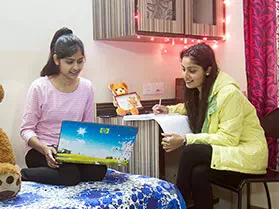
Outside the classroom

Adapt to Physical Wellness

-

 Admission HelpDesk


School of Education
Learn More About SOE
 Admission HelpDesk
School of Education - One of the best private colleges in Jaipur
Providing comprehensive Training & Equipping.
School of Education, Jaipur National University is shaping competent global citizen & teachers of tomorrow by providing comprehensive training and equipping them with Techno-pedagogical content, competencies and environmental consciousness.



-

Accredited and Recognized Programs

Advanced Campus Facilities
-

Diverse Academic Programs

Innovative Teaching Strategies
-

Practical Experience through Internships

Support for Competitive Exams
-

Impressive Placement Record

Co-curricular and Extracurricular Activities
-
Student Mentorship Program
Explore Our 7+ Programs and give a Start to Your
Future-ready Career




Apply for Admissions at Jaipur National University
APPLY ONLINE 1800-102-1900
  admissions@jnujaipur.ac.in
 Pedagogy
The School of Education has embraced a variety of innovative pedagogical approaches that reflect the latest trends in educational research and practice. These methods are chosen not only to enhance student engagement and learning outcomes but also to align with the evolving demands of the teaching profession. Below are some of the latest pedagogies being utilized?
-

Project-Based Learning (PBL)
PBL helps future teachers develop essential skills like critical thinking, collaboration, and real-world problem-solving. It enables them to design project-based lessons for their own students, fostering practical teaching skills and a deep understanding of content that goes beyond rote memorization.
-

Inquiry-Based Learning (IBL)
IBL empowers student teachers to explore topics that interest them, fostering curiosity and motivation. In the School of Education, this method helps them develop inquiry-based teaching practices that encourage critical thinking and independence in students, preparing them to become facilitators of knowledge rather than mere transmitters.
-

Experiential Learning
Experiential learning gives future teachers practical exposure and first-hand experience. By participating in internships, field placements, and real-life teaching simulations, they gain insights into classroom management, lesson planning, and student engagement, which are essential for teaching effectiveness.
-
Competency-Based Education (CBE)
CBE prepares future educators to understand personalized learning paths and assessment based on mastery. It reflects a shift in education towards measuring learning outcomes and skills. For prospective teachers, this pedagogy provides a model of instruction that they can replicate to meet diverse learning needs.
-

Gamification and Game-Based Learning
These methods increase engagement and motivation, particularly in younger students. For student teachers, gamification introduces fun and competition into learning environments, helping them understand how to keep students engaged. It also allows them to explore how gaming can promote skills like problem-solving, cooperation, and perseverance.
-

Social-Emotional Learning (SEL)
SEL is critical for preparing future teachers to create a safe, inclusive classroom environment. This pedagogy helps teacher candidates learn how to address emotional well-being, manage classroom relationships, and support students’ mental health. It also builds their own emotional resilience, which is essential for their careers.
-

Universal Design for Learning
UDL prepares future teachers to meet the needs of diverse students. It emphasizes inclusive strategies that reduce barriers for students with disabilities or diverse learning preferences. Adopting UDL principles helps future educators design lessons that are accessible to all students, promoting equity and inclusivity.
-
Blended Learning
Blended learning offers flexibility, supports different learning styles, and enables differentiated instruction. In a School of Education setting, this method helps future educators experience a model that they can implement in their own classrooms.
-
Flipped Classroom
The flipped classroom shifts students from passive receivers to active participants. In teacher education, this method mirrors active learning strategies they will use with their own students.
These pedagogies are adopted in the School of Education to prepare student teachers for the diverse challenges of today’s classrooms. By exposing future educators to these modern, research-backed techniques, the School of Education ensures they are equipped with flexible, inclusive, and evidence-based methods that promote both academic success and the holistic development of students.
Infrastructure
-
450+
Renowned teaching Faculty
-
80+
Programmes to choose from
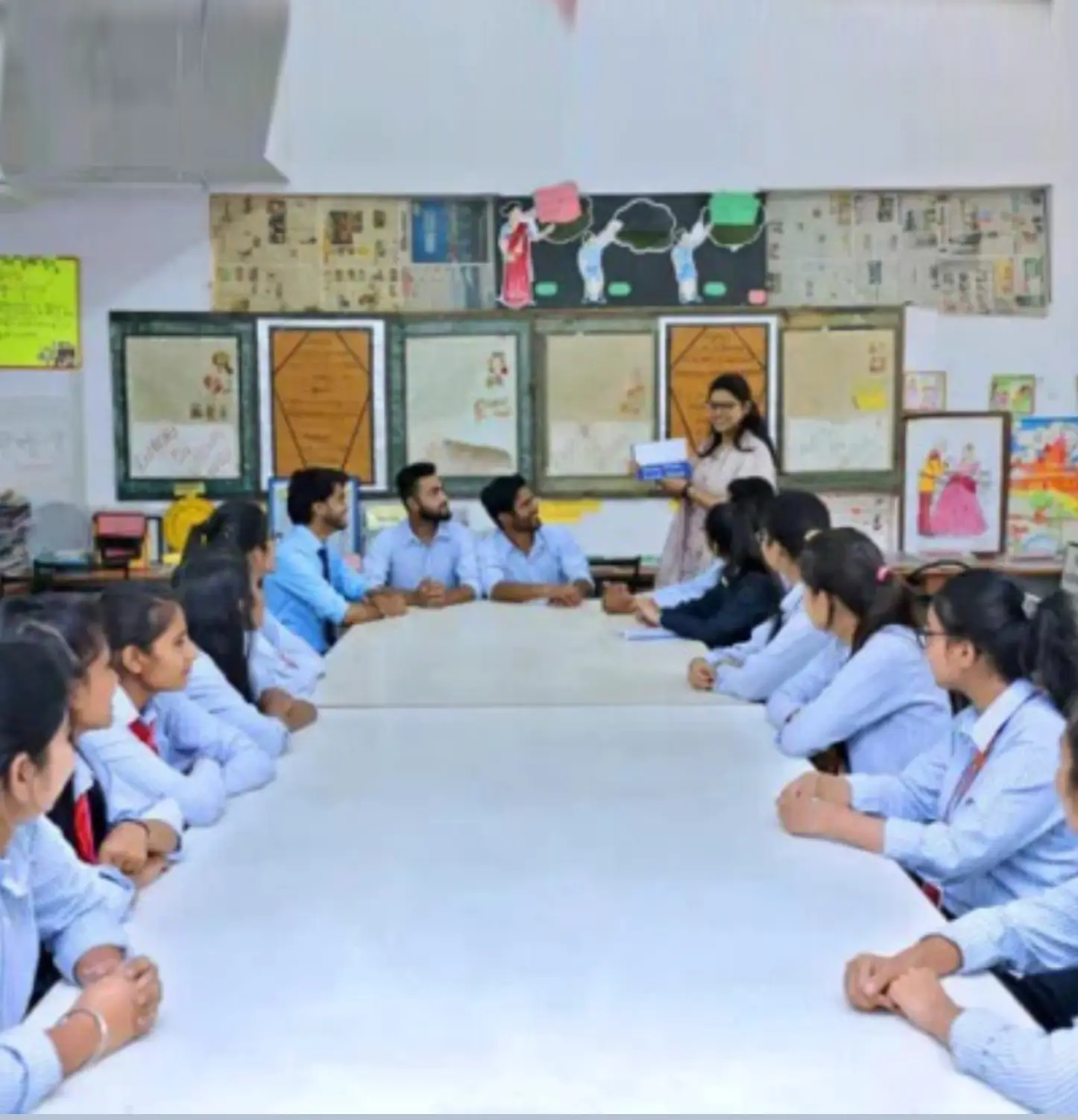
Language Lab
Designed to improve language proficiency, this lab provides audio-visual aids and software to enhance speaking, listening, and comprehension skills in various languages.
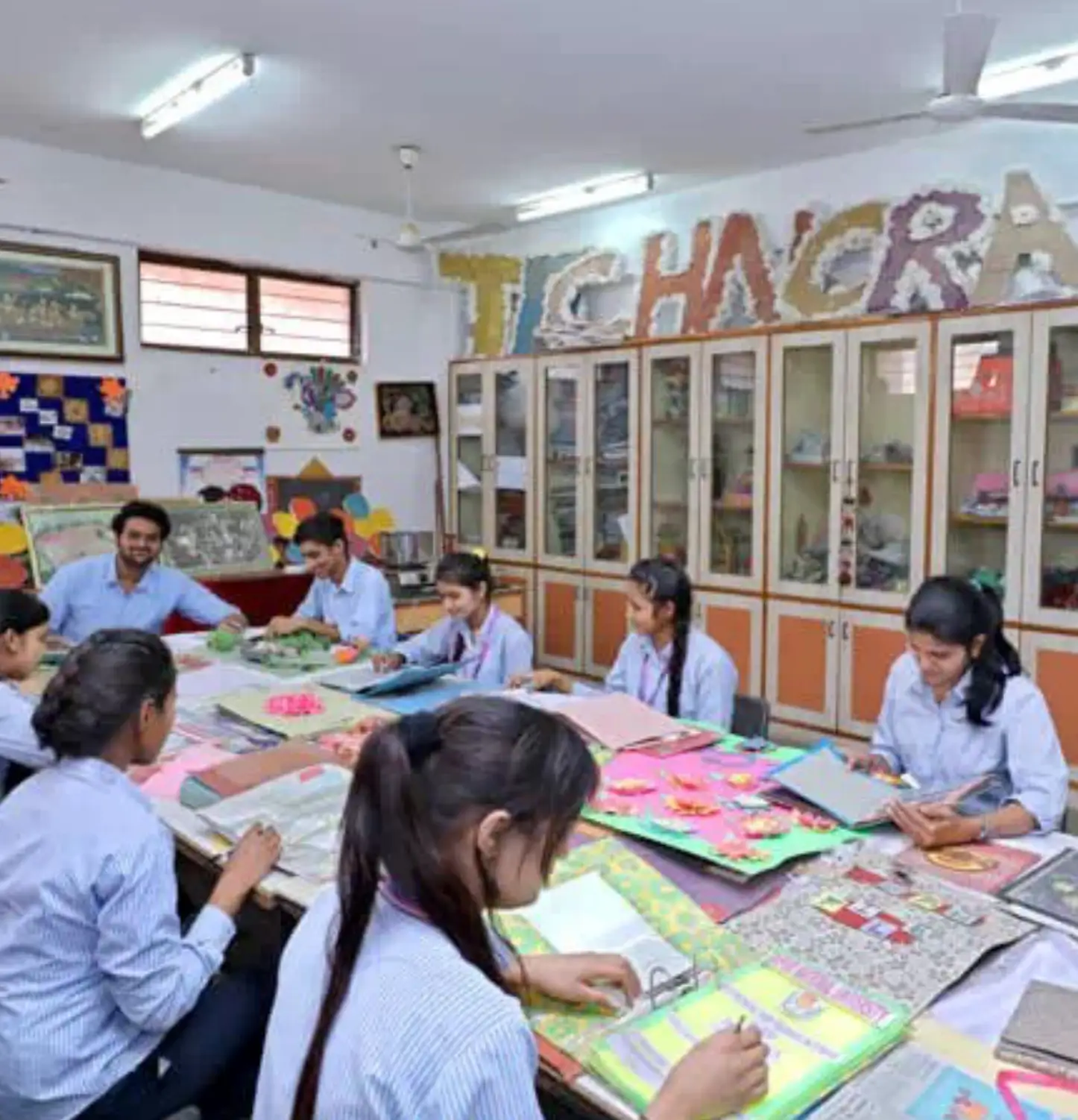
Art and Craft Resource Centre:
A creative space where students explore various art forms, craft materials, and techniques, essential for fostering creativity and hands-on skills in teaching.
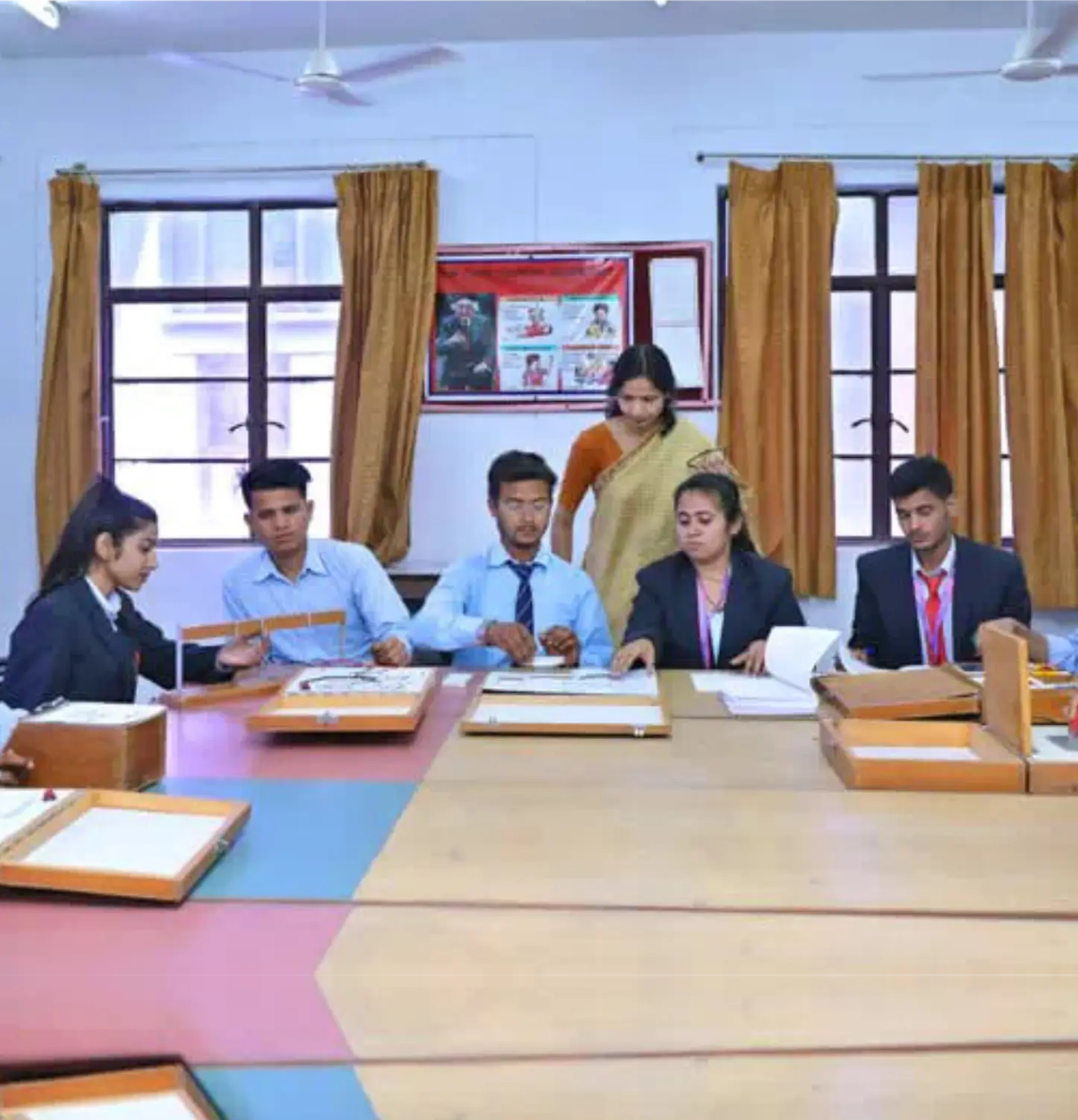
Psychology Lab
Equipped with psychological tests, assessment tools, and experiments, this lab aids in understanding human behavior, cognition, and emotional development.

Music Lab
This lab provides musical instruments and resources for developing students' musical abilities, enabling them to incorporate music into their teaching.
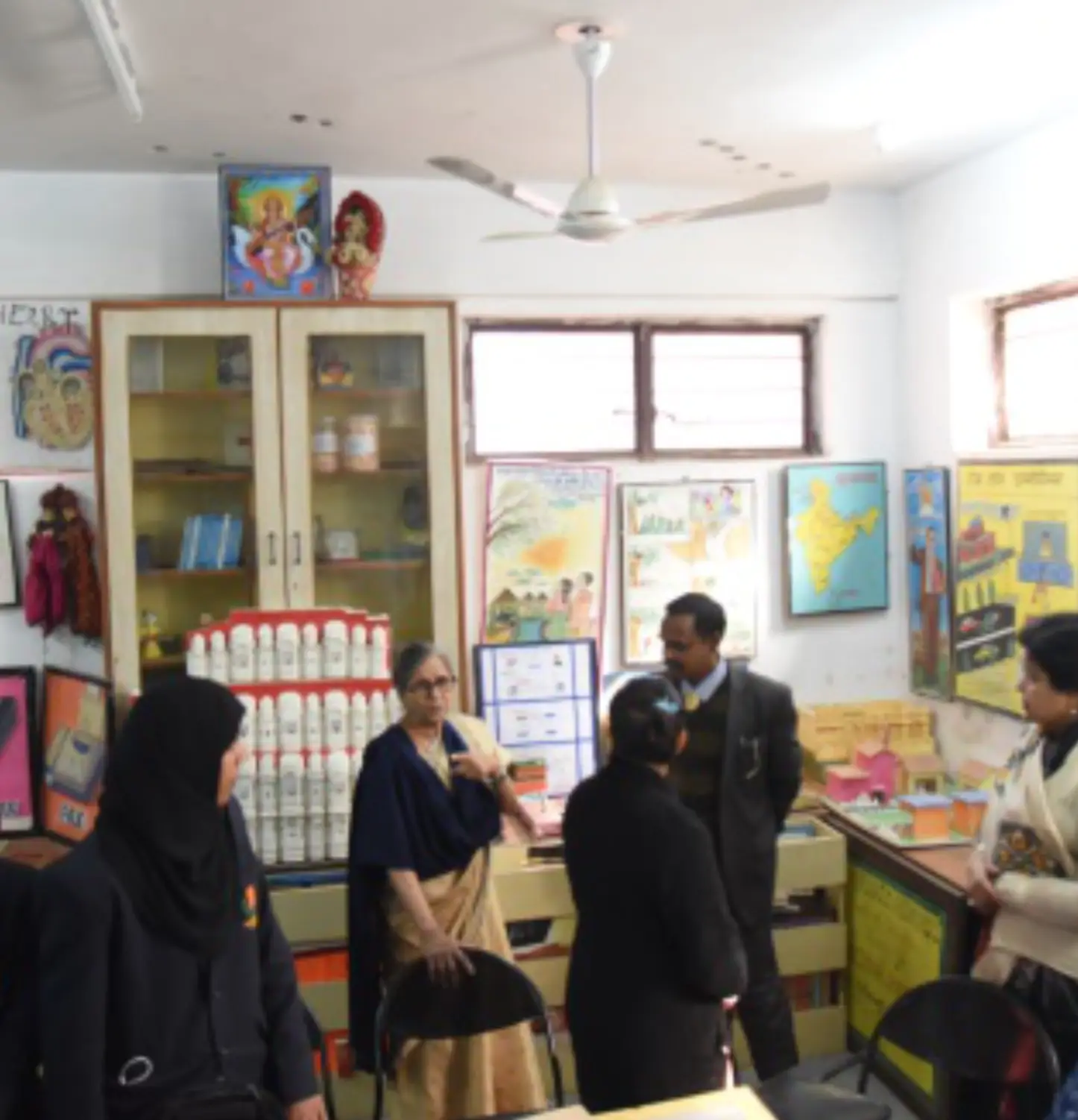
Teaching Aids Lab
A collection of models, charts, and other educational aids helps students create and use effective teaching tools, enhancing instructional skills.

Science and Mathematics Resource Centre
This lab offers resources for science and math activities, fostering practical understanding and experimentation, crucial for teaching STEM subjects.
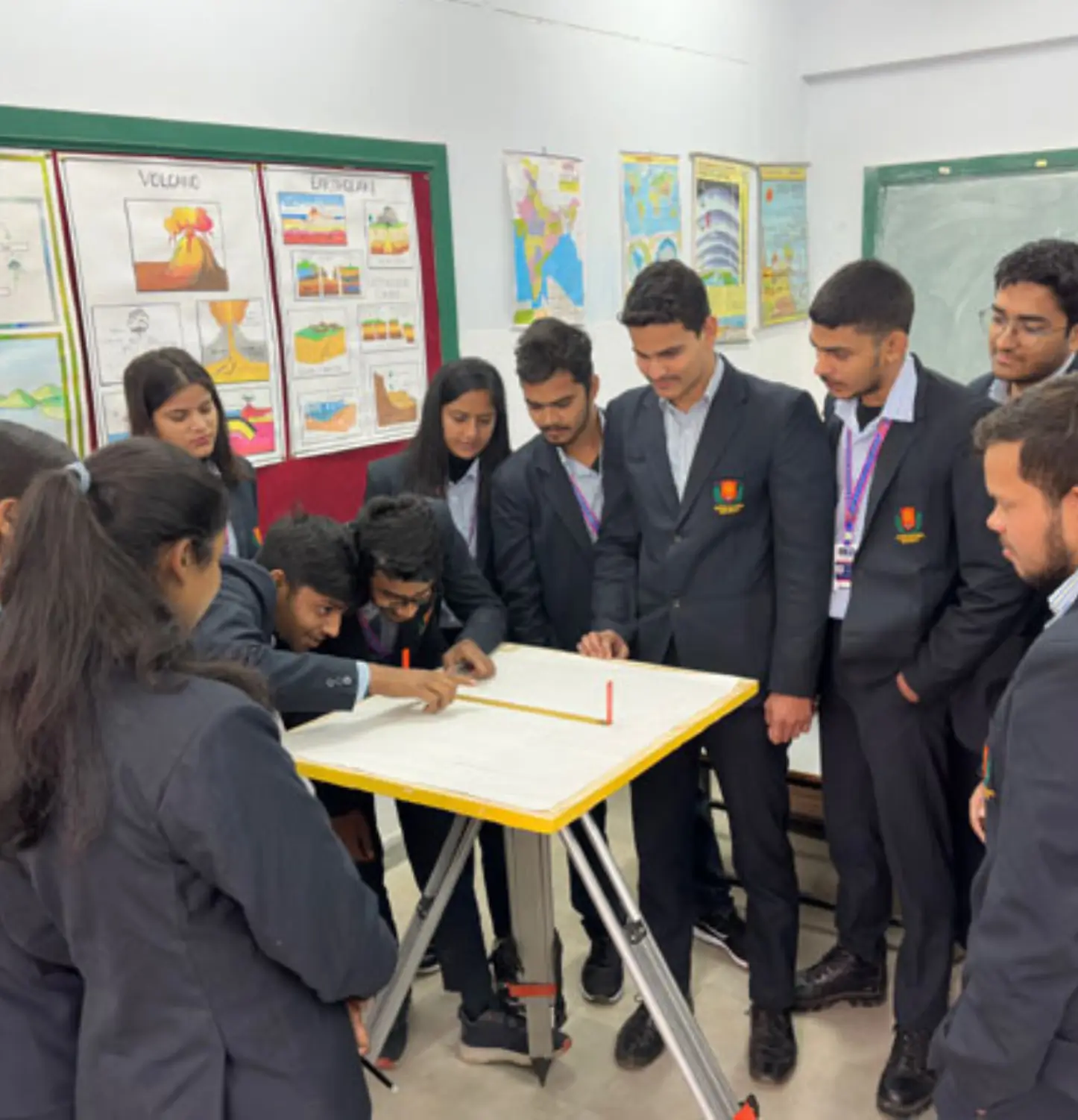
Geography Lab
Equipped with maps, globes, models, and survey tools, the Geography Lab helps students gain practical knowledge of geographical concepts and teaching methods.
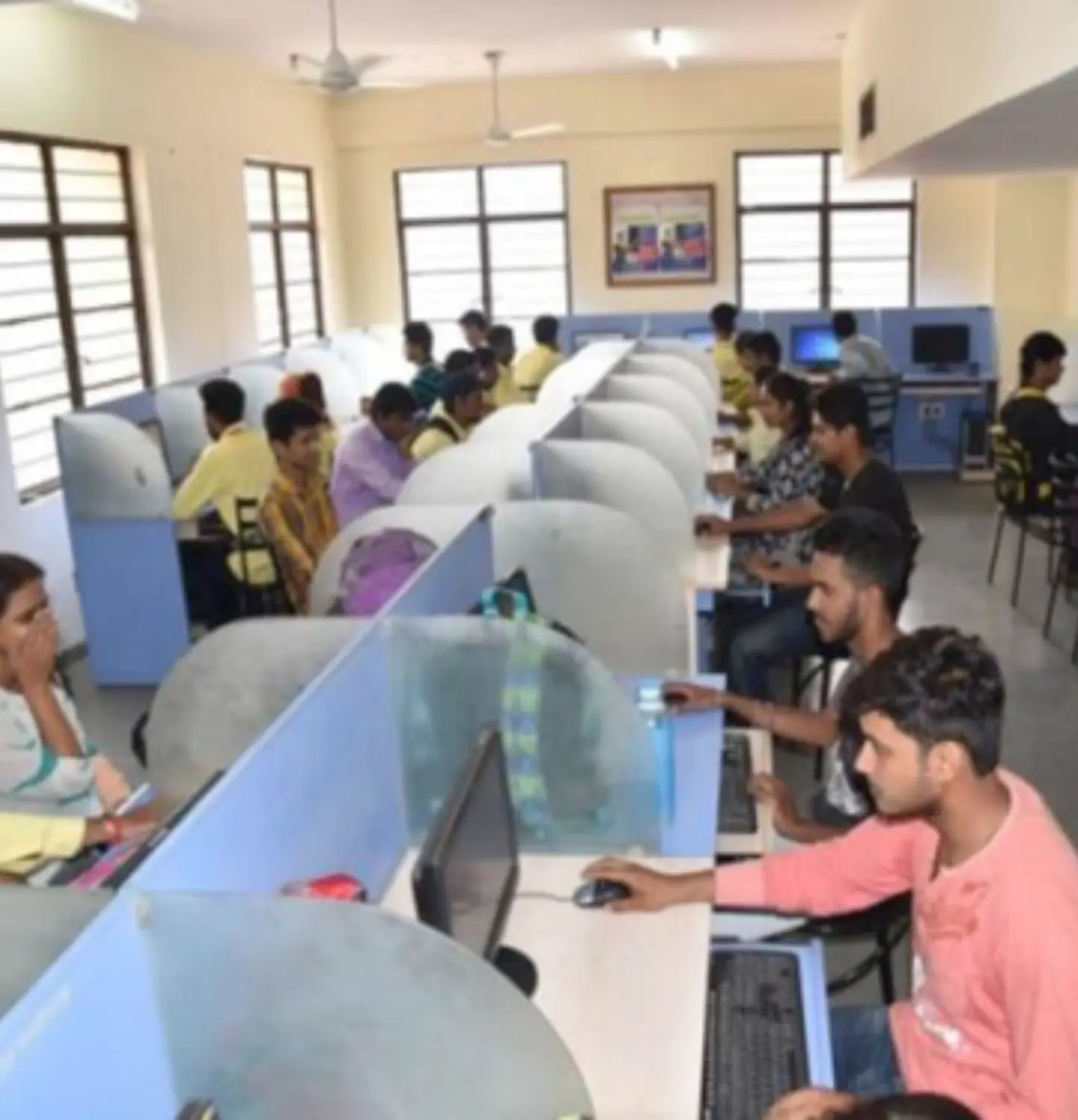
ICT Resource Centre
Featuring computers, software, and digital teaching tools, this lab provides hands-on experience in integrating technology into teaching and learning.
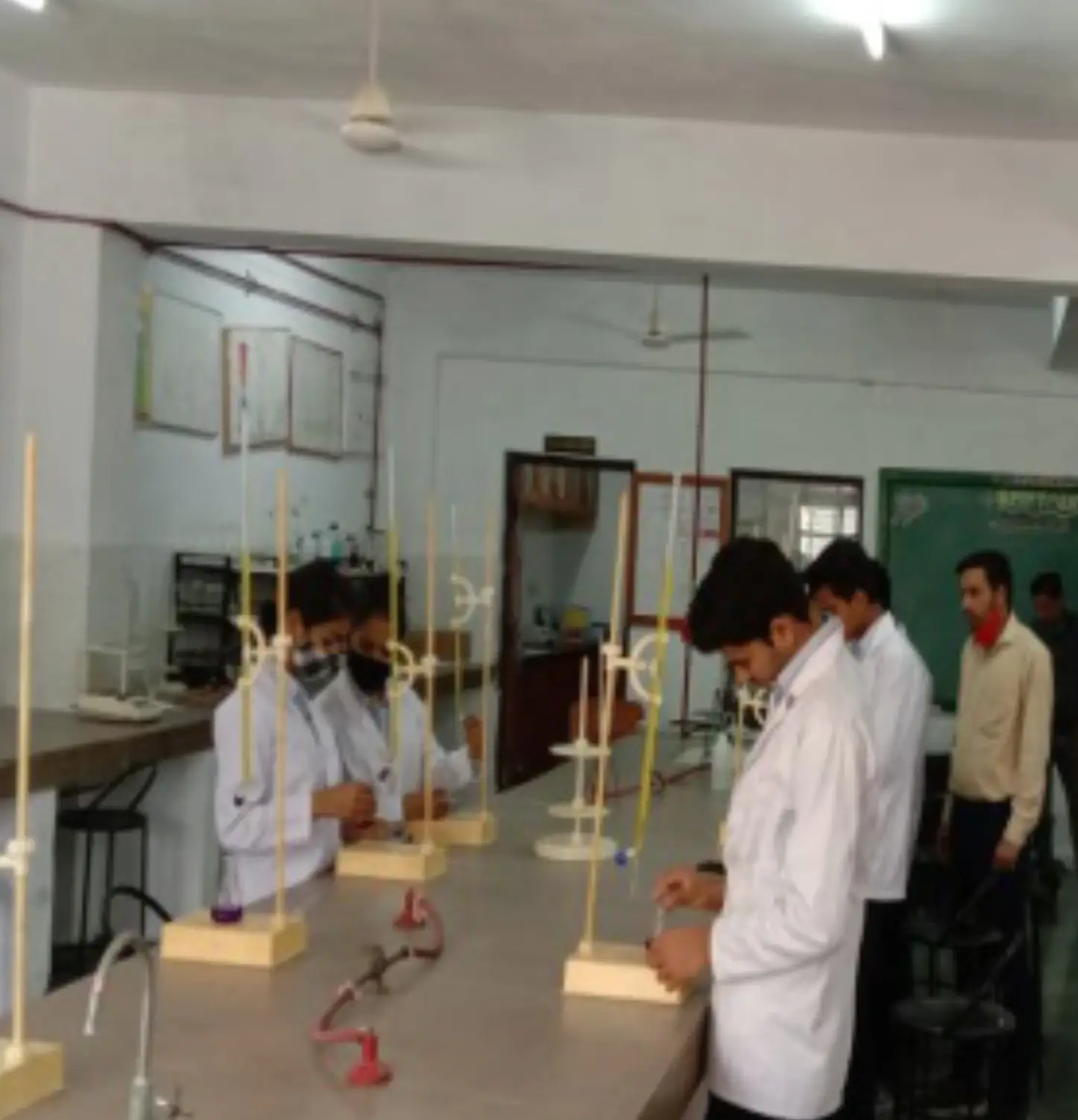
Chemistry Lab
A fully equipped lab where students can conduct chemical experiments, promoting a practical understanding of chemical principles and safety practices.
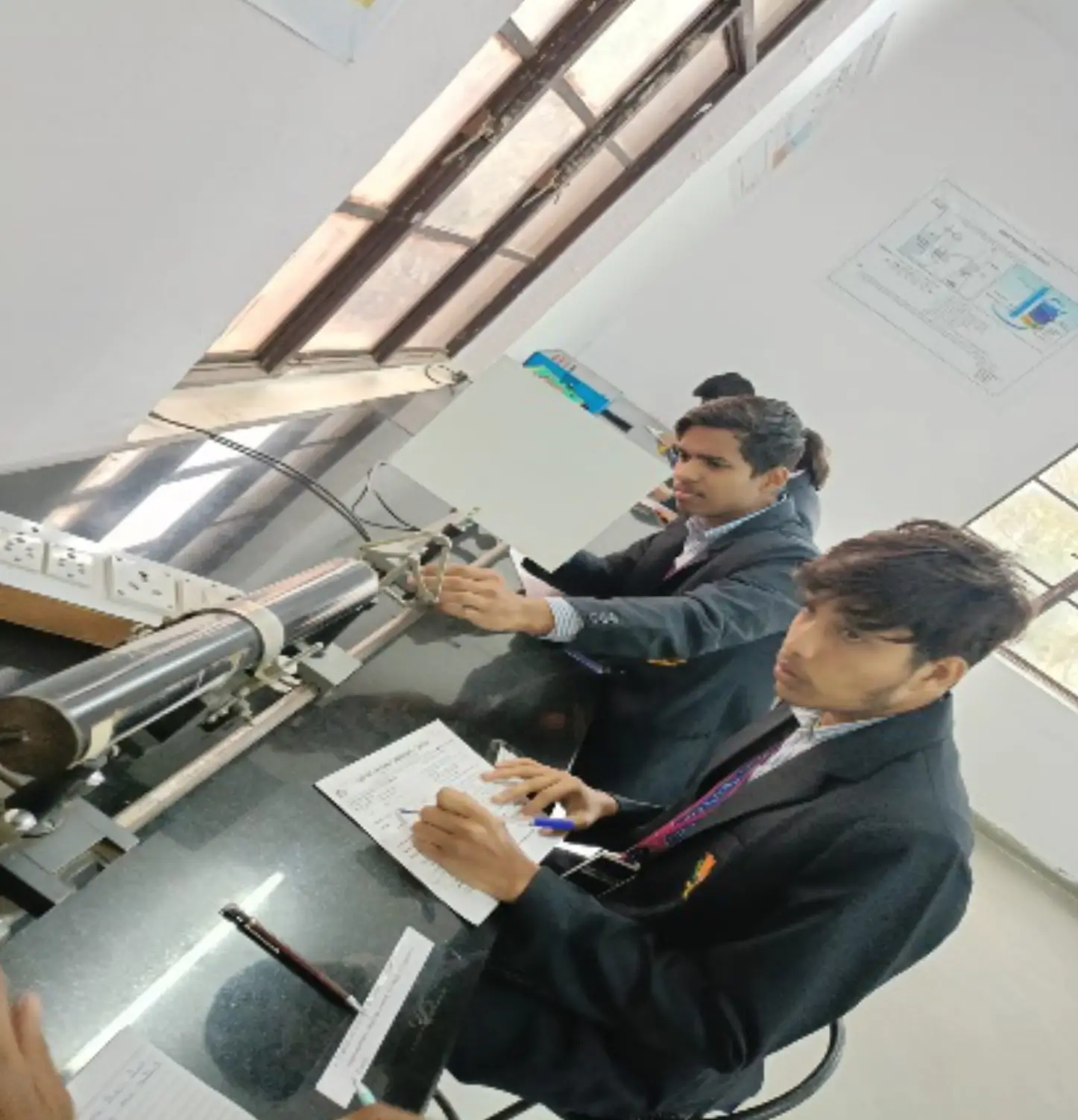
Physics Lab
Equipped with instruments for physics experiments, this lab helps students grasp fundamental concepts in physics through practical experimentation and analysis.
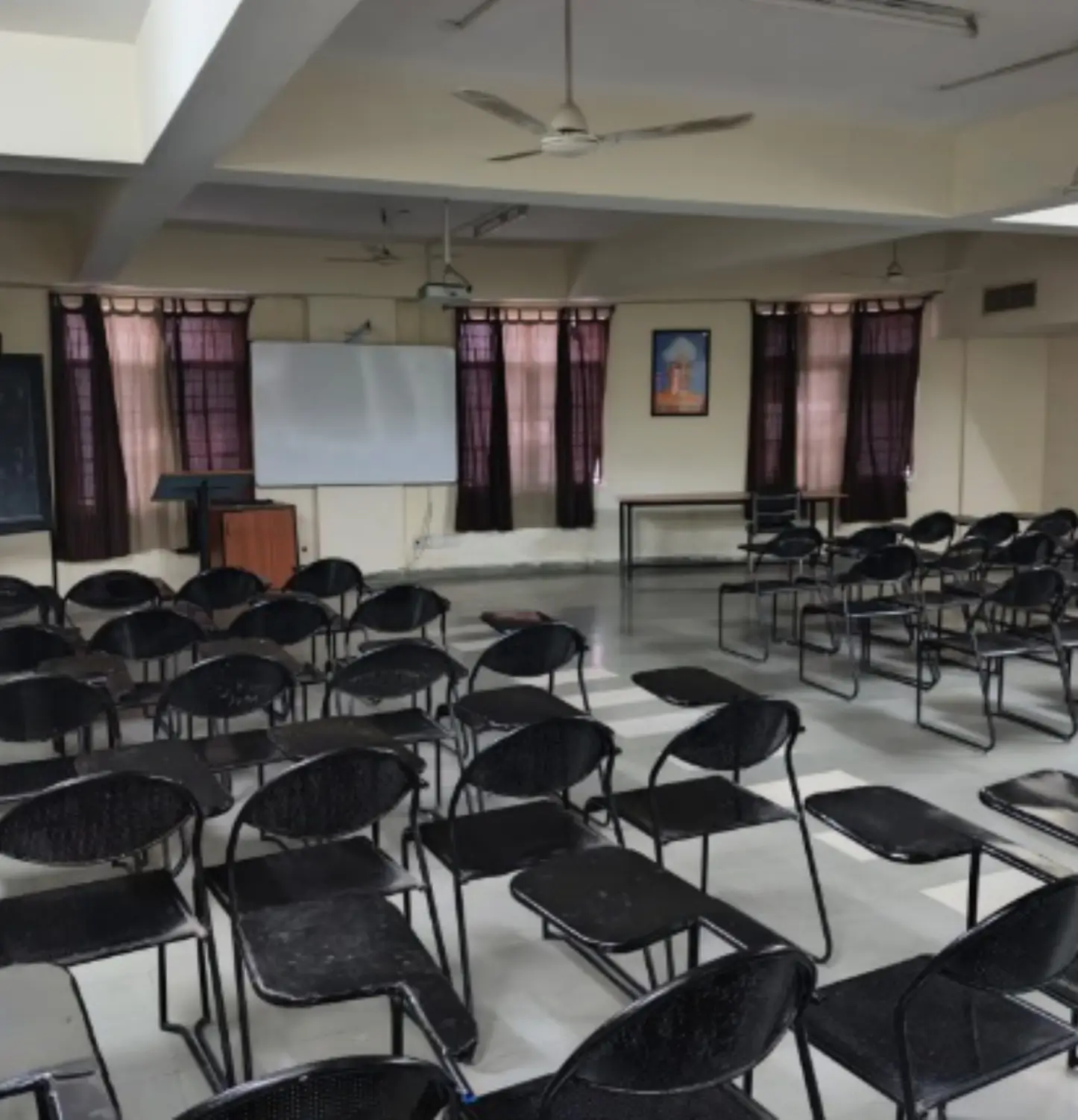
Seminar Hall
A spacious hall used for guest lectures, workshops, and seminars, promoting collaborative learning and exposure to expert insights across educational topics.
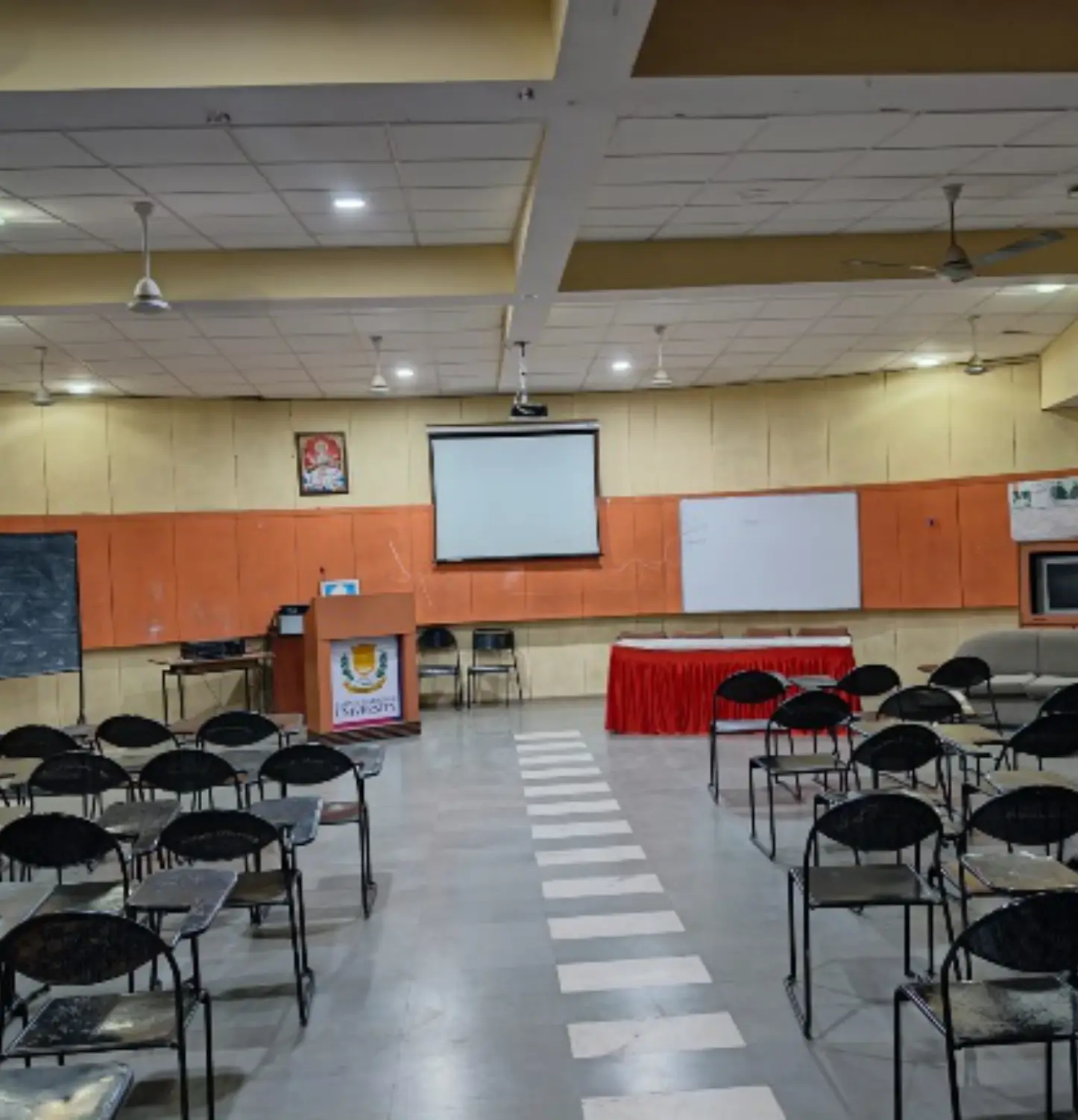
Multipurpose Hall
A versatile space for hosting events, academic activities, cultural programs, and group discussions, enriching the overall learning experience.
Academic Skilling Partner


Our Top Recruiters






Alumni Speaks
-


My experience at JNU has been transformative. The faculty's support and mentorship have been invaluable in shaping my research skills and academic confidence
Dr. Deepali Johar
Special Education Teaching Assistant
-

It has been a great experience to be a part of School of Education, Jaipur National University. It has a true multicultural society where people from different nationalities are very well integrated. My teachers, while highly qualified are approachable and very helpful.
Mr. Raushan Kumar
-


Due to the degree I completed at a top-ranked university and the amazing teaching and learning experience I gained in the School of Education at Jaipur National University, Jaipur, I’ve never had trouble finding jobs. The constant support and motivation from the faculty members have guided me throughout this beautiful journey.
Srishti Choudhary
TGT Mathematics , MGD School, Jaipur
-


Education of Jaipur National University is a Knowledge society for me where faculty members and University official believes in imparting quality education and enlighten the society.
Pelzang Dorji
Dy Chief Education officer at Ministry of Education, Bhutan
Happenings@JNU
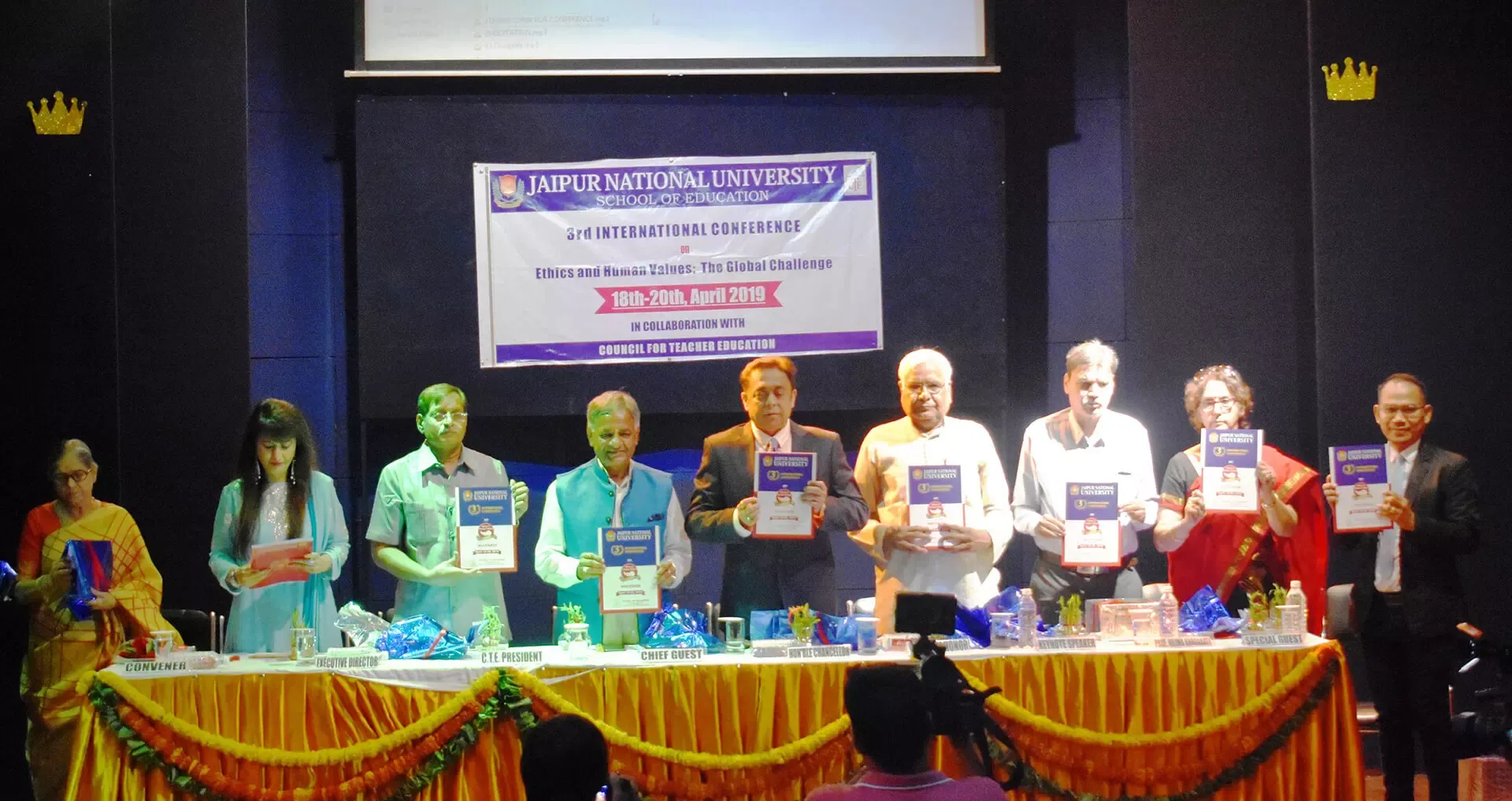
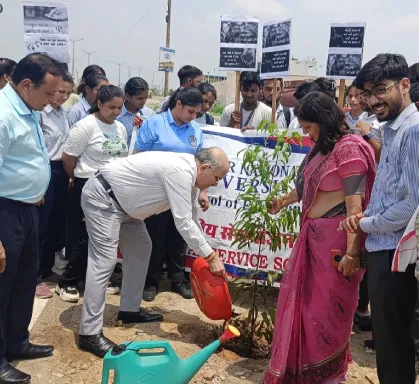
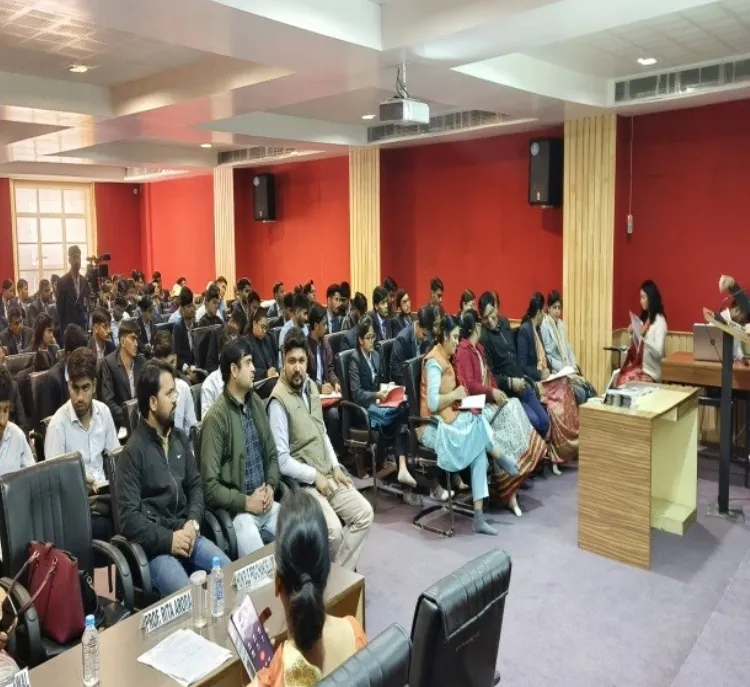
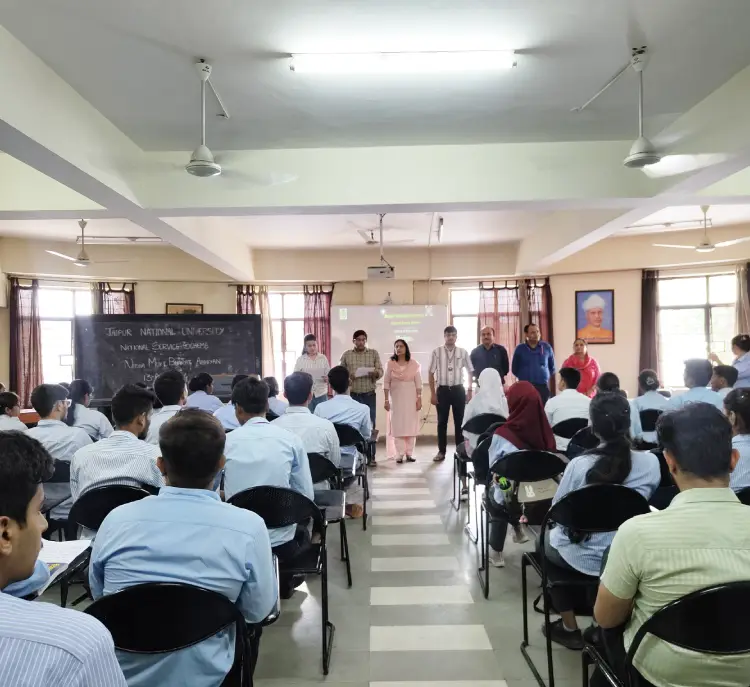

Enriching the
Intellect


Inspire Your
Essence


International Collaborations





Pioneering Research at Jaipur National University

Frequently Asked Questions
Admissions in B,Ed , M.Ed , B.A.B.Ed., and B.Sc.B.Ed are usually based on entrance exams conducted by State Government of Rajasthan authorized nodal agengy,and admission in B.A (Pass Course), B.A(Hons)/ B.Sc.(Hons.) Psychology is usually based on entrance exams or merit in qualifying exams, followed by Personel Interview.
Jaipur National University’s School of Education offers direct admission in Some programs like Diploma in Yoga, B.A.(Pass), B.Sc./B.A.(Hons) Psychology depending on the course and the eligibility criteria.
The eligibility criteria for the B.Ed. (Bachelor of Education) program at Jaipur National University, Jaipur are typically in line with the general requirements set by the university and the National Council for Teacher Education (NCTE). A graduate degree with a minimum of 50% marks (45% for reserved categories).
The eligibility criteria for the B.Sc. B.Ed. (Bachelor of Science, Bachelor of Education) program at Jaipur National University (JNU), Jaipur are designed to ensure that students have the required academic background and qualifications to pursue this integrated program, which combines both undergraduate science education and professional teacher training. Completion of 10+2 with at least 50% marks in the science stream.
Yes, Jaipur National University (JNU), Jaipur, typically provides relaxation in eligibility criteria for candidates from reserved categories such as SC (Scheduled Caste), ST (Scheduled Tribe), OBC (Other Backward Classes), and PWD (Persons with Disabilities), in line with government guidelines and university policies. Typically a 5% relaxation is provided.
The medium of instruction at School of Education, Jaipur National University (JNU), Jaipur is English and Hindi, especially for undergraduate, postgraduate, and professional programs. It depends on the student's choice.
The fee structure for programs like B.Ed., M.Ed., B.A.B.Ed., and B.Sc.B.Ed. at Jaipur National University (JNU), Jaipur is prescribed by State Government of Rajasthan. Other academic fees, Charges for hostel and mess facilities are additional.
Jaipur National University, Jaipur, offers various scholarships and financial aid options to support students from socially disadvantaged backgrounds, including those from Scheduled Castes (SC), Scheduled Tribes (ST), Other Backward Classes (OBC), Economically Weaker Sections (EWS), and Persons with Disabilities (PWD). Various government scholarships are available for these economically weaker sections.
Yes, the B.Ed., M.Ed., B.A.B.Ed., and B.Sc.B.Ed. programs at Jaipur National University (JNU), Jaipur are approved by the National Council for Teacher Education (NCTE). NCTE is the statutory body responsible for regulating and overseeing teacher education in India, ensuring that institutions offering teacher education programs meet the required standards and quality.
Yes, internships are mandatory for the B.Ed. and M.Ed.. B.A.B.Ed. and B.Sc.B.Ed. programs at Jaipur National University. Duration of Internship is around 20 Weeks.
Yes, Jaipur National University (JNU), Jaipur provides placement services to its students, including those in programs like B.Ed., M.Ed., B.A.B.Ed., and B.Sc.B.Ed.. The university has a Placement Cell that works to assist students in finding suitable job opportunities and internships, especially for those aiming for a career in education and related fields.
The average salary package for graduates of B.Ed., M.Ed., B.A.B.Ed., and B.Sc.B.Ed. programs from Jaipur National University (JNU), Jaipur can vary depending on factors such as the type of job (teaching vs. administrative roles), location, experience, and organization. Fresh graduates who secure teaching positions in schools typically start with a salary in the range of ?5 lakh to ?8 lakh per annum.


Copyright © 2026 Jaipur National University. All Rights Reserved.
Website Design and Development by Sterco Digitex


Browse by School
- School of Engineering & Technology
- School of Business & Management
- School of Computer & Systems Sciences
- School of Education
- School of Languages, Literature and Society
- School of Life & Basic Sciences
- School of Pharmaceutical Sciences
- School of Media Studies
- School of Fashion Design
- Seedling School of Law and Governance
- Seedling School of Nursing
- Seedling School of Allied and Healthcare Sciences
- School of Agricultural Sciences
- School of Hotel Management & Catering Technology
- Jaipur National University Institute for Medical Sciences and Research Centre