Admission HelpDesk


 Admission HelpDesk




 1800-102-1900
  admissions@jnujaipur.ac.in



I’m Mustapha Usman, a Pharm D student at Jaipur National University
Mr. Mustapha Usman
Pharm D



Jaipur National University, Jaipur is one of the top self-financed private university in Rajasthan sponsored by the Mahima Shiksha Samiti.

If you have an innovative idea, we can show you the way ahead. Be an entrepreneur with the perfect..
Social responsibility takes many forms - from providing affordable/free healthcare...
Their focus is to develop both education and critical skills to help our students excel in life.






The faculty includes seasoned academics and industry experts who share real-world insights.
Practical activities, including laboratory experiments and industry–relevant projects, are integral components of the curriculum, ensuring students acquire not just theoretical understanding but also valuable practical skills.



PCI approved
Programmes

Advanced
Instrumentation

Qualified
Faculty

Clinical
Training

Industry
Exposure

Research Contribution and Entrepreneurial Focus

Group discussion in teaching fosters collaborative learning, critical thinking, and communication.

Demonstration in teaching involves showing concepts through practical, visual examples.

Patient counseling in teaching involves guiding patients through health-related decisions.

Flip teaching reverses traditional learning, with students exploring content independently first.

Project-based learning engages students in solving real-world problems collaboratively.

Evidence-based learning uses research and data to inform instructional practices.
Participatory learning involves active student engagement in the learning process.
Case-based study uses real-life scenarios to promote critical thinking skills.
Renowned teaching Faculty
Programmes to choose from
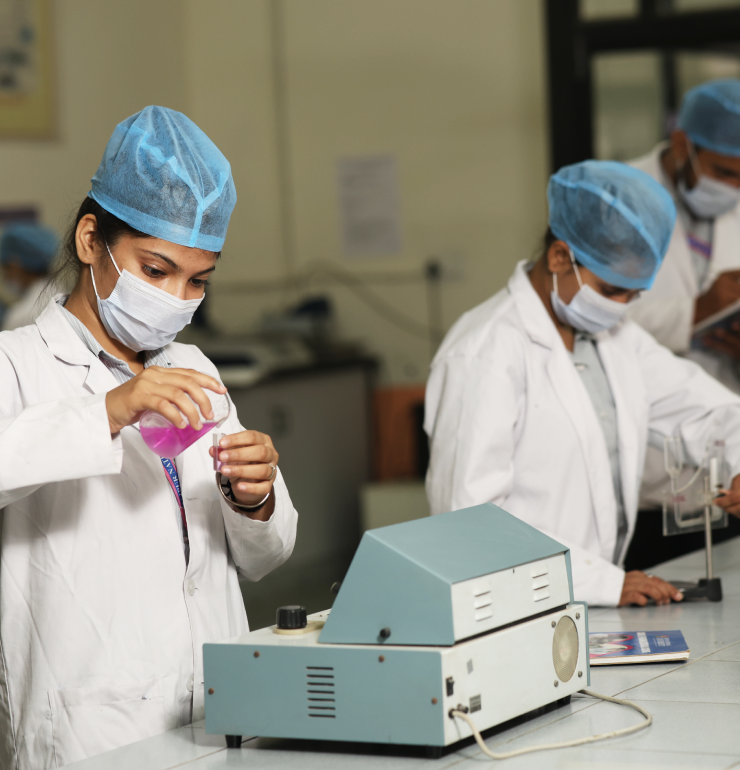
Students, Reasearch scholars and Faculty members can use the equipment in this lab to perform research and analytical practical work. The facility is available to interested students, faculty, and researchers for their academic and research endeavors.
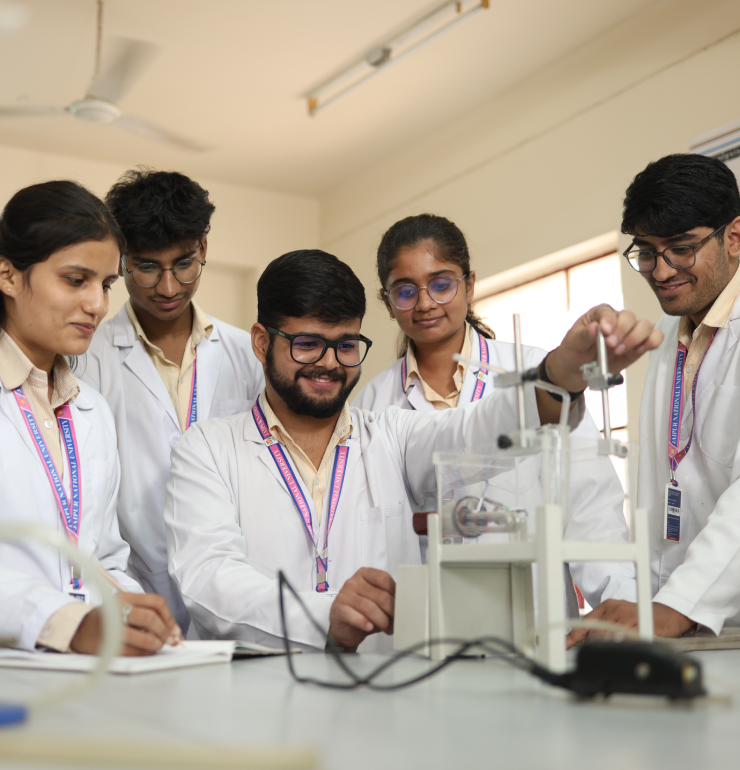
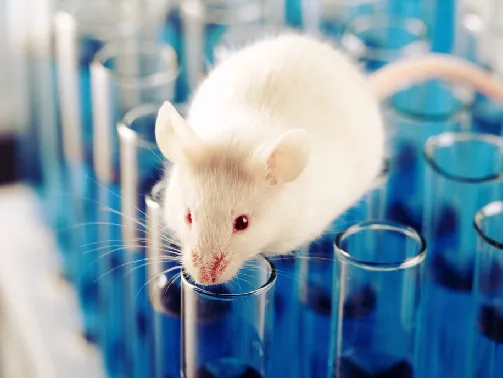
Students can touch animals and learn about the fundamentals of pharmacokinetics and pharmacodynamics in this lab. This lab offers information on general pharmacology, drug dosage, drug mechanism of action, drug screening, etc. Computer software is available in this lab for the basic demonstration of pharmacological experiments.
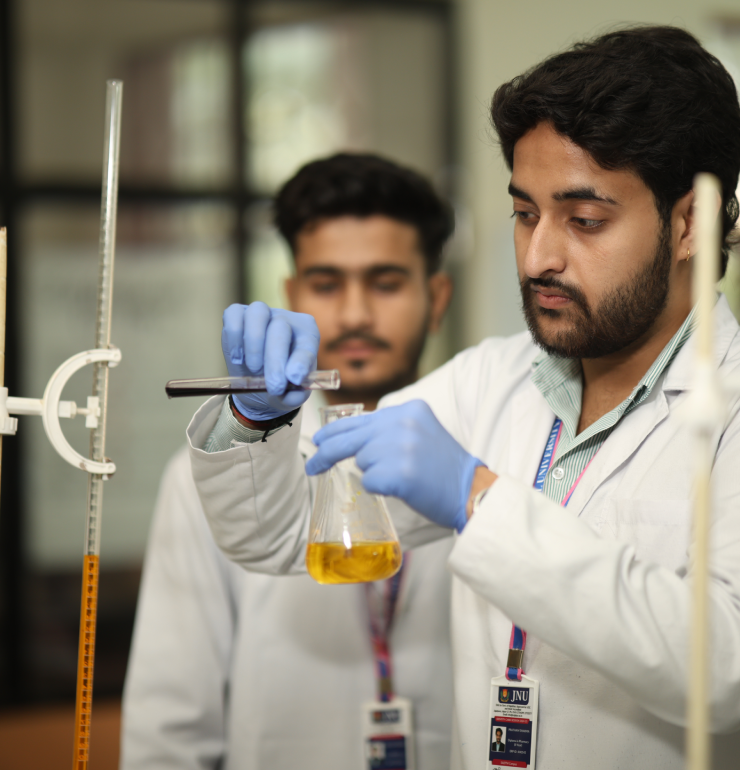
According to GLP criteria, this lab's associated aseptic room is appropriate for preparing and sterilizing culture media for both broth and static cultures. Additionally, it is employed in the staining and identification of fungi and bacteria. The lab can be used to assess disinfectants and antiseptics, measure the phenol coefficient, and perform microbiological assays for vitamins, antibiotics, and other substances.
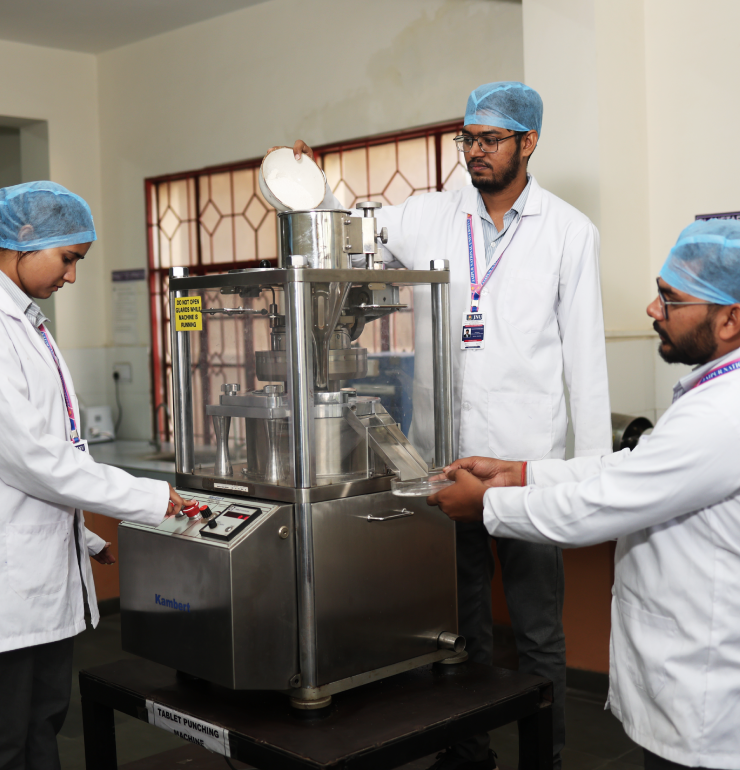
Furnished with the most up-to-date tools and equipment needed for the manufacturing and internal quality control of various dosage forms, including tablets, capsules, liquids, and injectables.
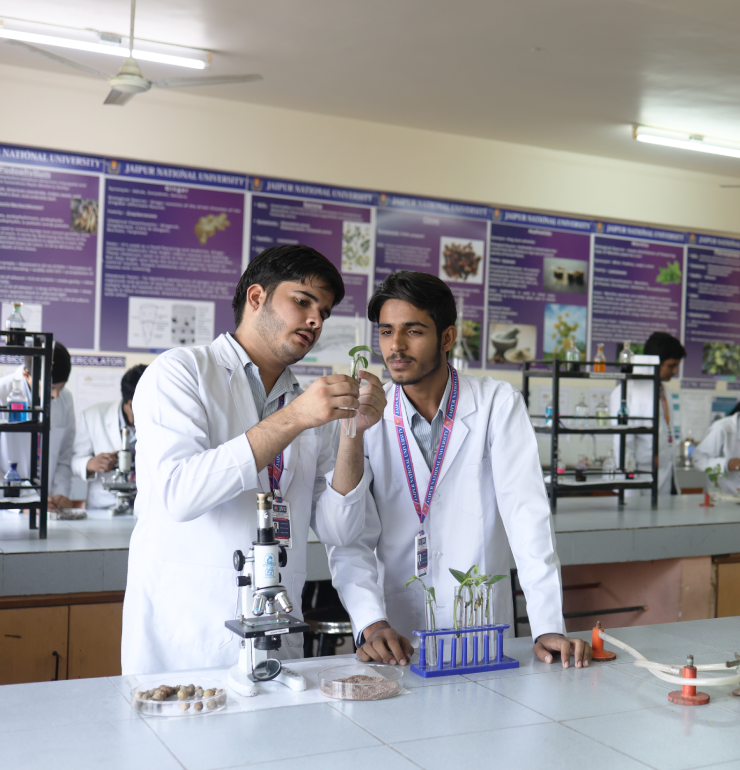
This lab isolates, separates, purifies, identifies, and evaluates phytoconstituents from therapeutic plants. The facility is also appropriate for organoleptic testing of crude and natural pharmaceuticals.
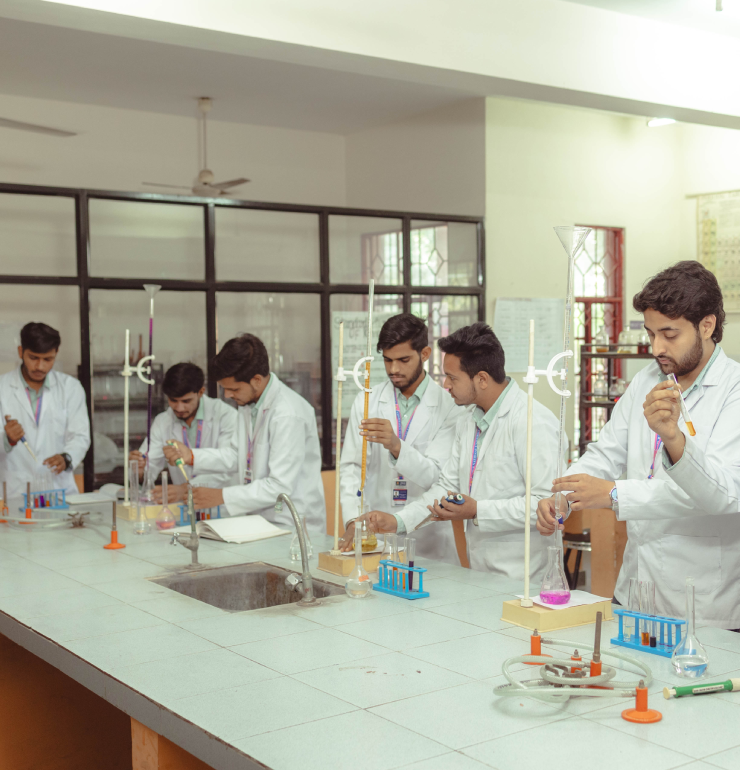
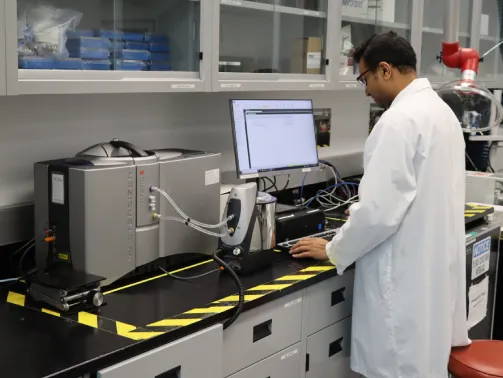
This laboratory employs contemporary technology for the identification and qualification of chemical substances utilizing analytical procedures. This is appropriate for medication analysis, quality assessment, and quality control investigations using finished items.
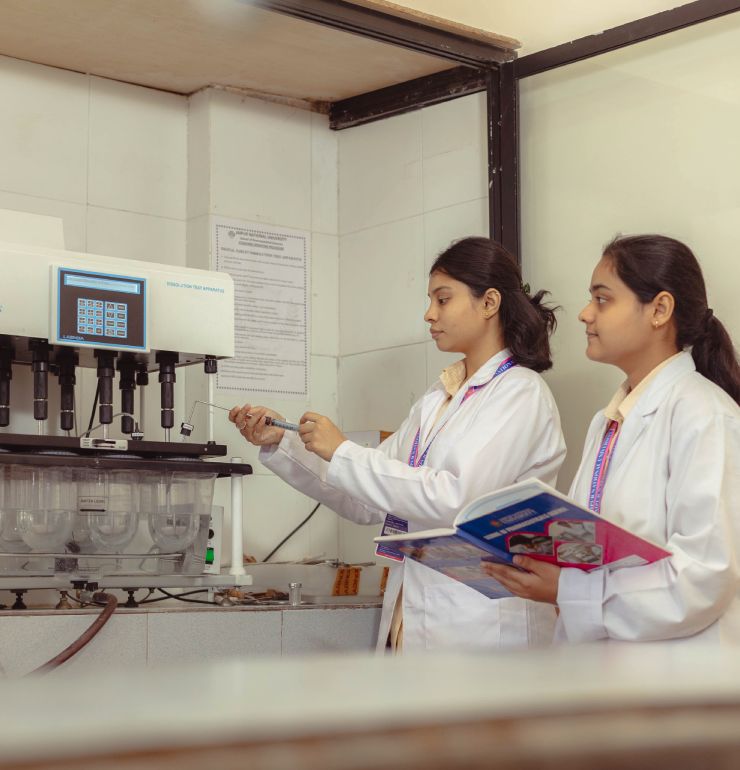
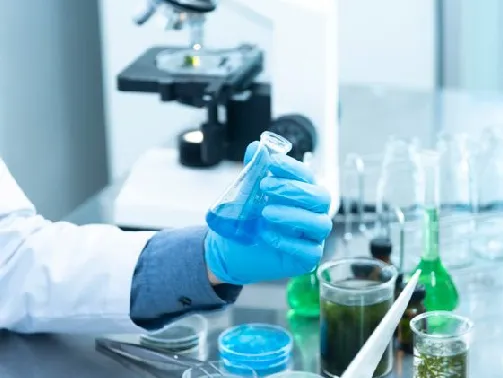
This lab tests and identifies diverse chemicals and pharmaceuticals; synthesizes and purifies chemical compounds; and identifies medicinally active molecules.
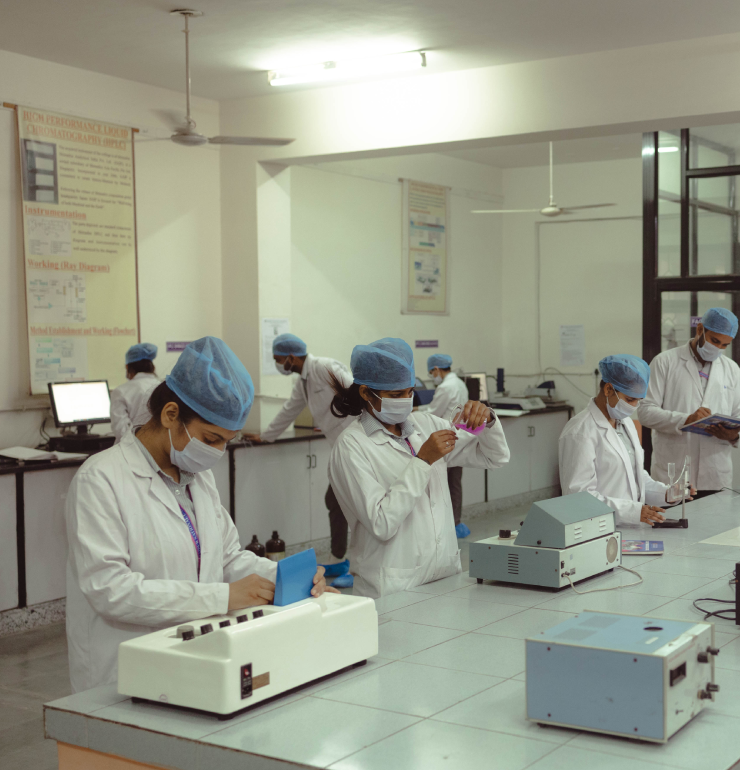
This lab features high-end PCs furnished with innovative software and broadband internet connectivity. The laboratory is designed for studying and conducting practical exercises in accordance with the curriculum guidelines. Students have access to the internet in the computer lab, where they can search for information and expand their knowledge.
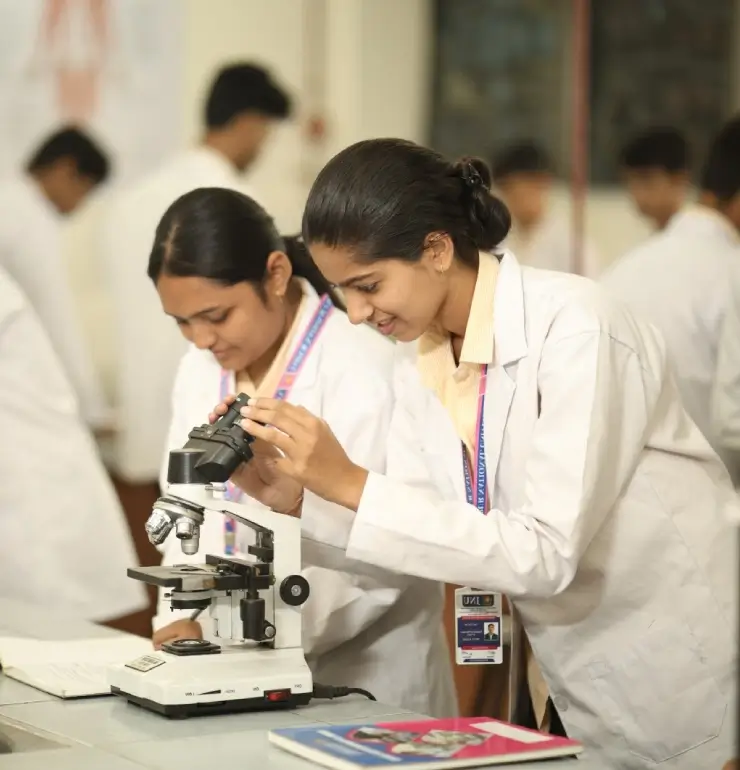
The Pharmacy Practice Lab is equipped with a variety of tools for practicing the study of communicable and noncommunicable diseases and disorders. Students use the laboratory to practice and master their medication compounding and preparation abilities in various dosage forms such as tablets, capsules, syrups, suspensions, emulsions, creams, and ointments, as well as parenterals (injections), before entering the workforce. The labs provide unique settings and inventive programming that enhance the learning experience and prepare students for real-world work during rotations and in their future professions.
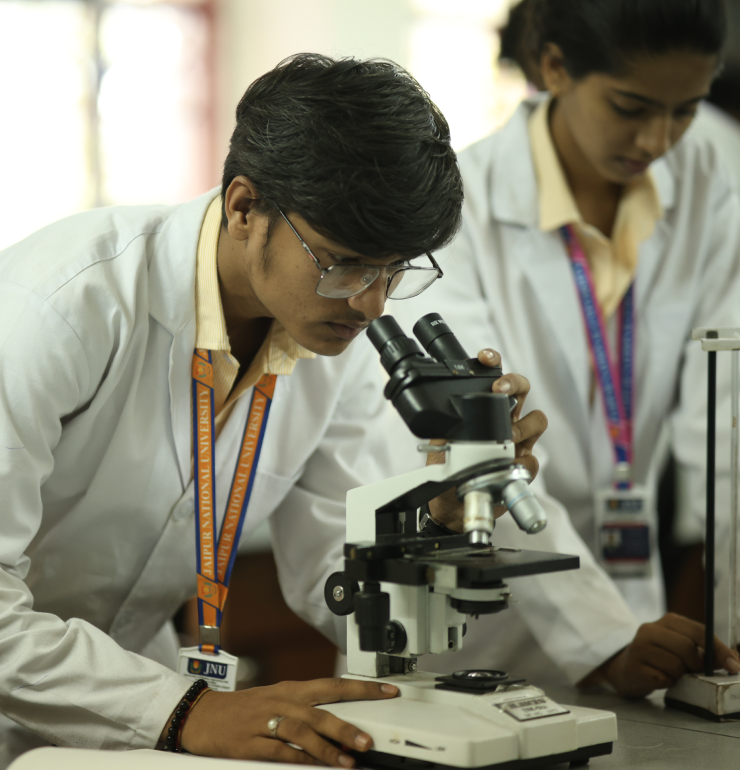
In addition to teaching students about medication formulations such as tablets, capsules, parenterals, ointments, creams, eye drops, syrups, drug interaction, stability, shelf-life studies, etc., these labs offer information on the production of pharmaceutical preparations. Students study several facets of filling, packing, sealing, and labeling.
An air-conditioned central Animal house facility with the approval of The Committee for Control and Supervision of Experiments on Animals (CCSEA), Ministry of Fisheries, Animal Husbandry and Dairying, Governments of India, New Delhi is available for the University. All activities related to laboratory animal research are performed as per the guidelines of CCSEA, New Delhi.
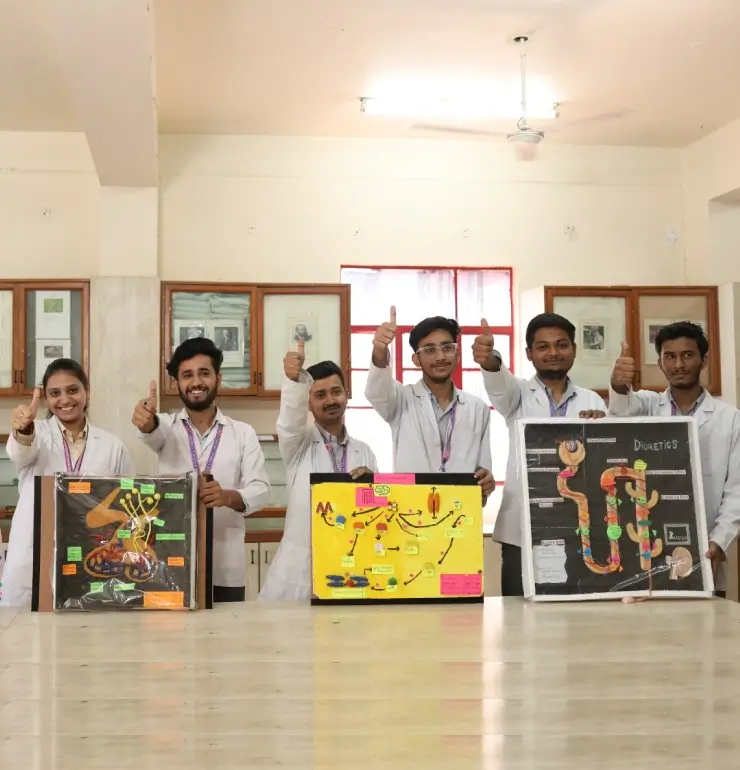
The museum is set up to have distinct areas for different kinds of goods. Human organs, pharmaceuticals, biological specimens, crude drugs and specimens are all part of the museum. Included are images, news updates pertaining to the pharmaceutical sciences, such as unique anatomical models, educational charts, and specimens.

























My time at Jaipur National University was truly transformative, and I am incredibly grateful for the opportunities I had during my studies in Pharmaceutical Chemistry.


My experience at Jaipur National University has been truly transformative. From the moment I stepped onto campus, I felt welcomed into a vibrant and supportive community.


My journey at Jaipur National University studying Pharmaceutics has been incredibly rewarding, and I am grateful for the rich learning environment that JNU provides.


The Jaipur National University Provides excellent opportunities for preparing oneself for the world pharmaceutical sciences. It gives one of the best faculty members and placement officer support.


I am Komal Dagar, M. Pharm (Pharmacology) graduate from Jaipur National University. My experiences at JNU have been incredibly enriching, both academically and personally.

As a Doctor of Pharmacy student at Jaipur National University, I have had an enriching and transformative experience that has shaped my academic and professional journey.


Studying at Jaipur National University had been an incredible journey for me. The diverse academic environment and supportive faculty members have truly enriched my learning experiences.


I can honestly say that my experience at Jaipur National University has changed my life. My academic and personal growth have been greatly aided by the encouraging faculty and vibrant classroom atmosphere.









The eligibility criteria typically include having completed senior secondary (10+2) school with a background in science, including subjects like biology/mathematics, chemistry, and physics.
The duration of a pharmacy Programme varies by programme to programme -
Pharmacy graduates can pursue a wide range of careers, such as-
Yes, you can work as a pharmacist immediately after graduation as and when you will get registered pharmacist license issued from any state pharmacy council.
Core subjects typically include -
Yes, the pharmacy profession is often considered a stable and rewarding career. The healthcare field continues to grow, and pharmacists play a crucial role in improving patient outcomes. With advancements in medicine, personalized treatments, and an aging population, the demand for skilled pharmacists is expected to remain strong.
The B. Pharm is an undergraduate Programme typically lasting in 4 years, focusing on the foundational knowledge of pharmacy. The Pharm. D is a professional doctorate, often requiring 6 years of education, and it prepares post graduates for advanced roles in clinical pharmacy, patient care, and healthcare settings.
Most pharmacy Programmes require students to complete practical training or internships as part of the curriculum. These opportunities help students gain hands-on experience in real-world pharmacy settings, such as hospitals, clinics, or community pharmacies.
Copyright © 2026 Jaipur National University. All Rights Reserved.
Website Design and Development by Sterco Digitex