Admission HelpDesk


 Admission HelpDesk




 1800-102-1900
  admissions@jnujaipur.ac.in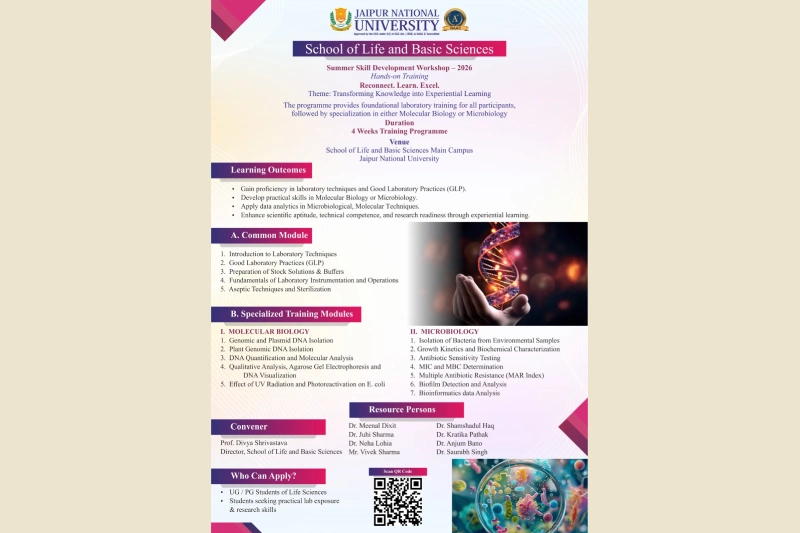
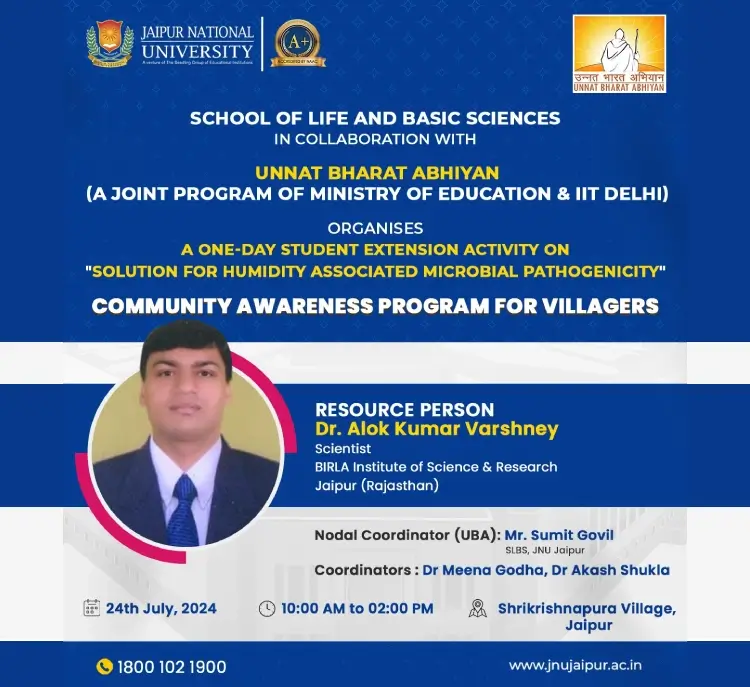

Pursuing B.Sc. (Hons.) Biotechnology at Jaipur National University has been an exciting and fulfilling journey.
Ms. Tiya Tejas Mehta
B.Sc. (Hons) Biotechnology



Jaipur National University, Jaipur is one of the top self-financed private university in Rajasthan sponsored by the Mahima Shiksha Samiti.

If you have an innovative idea, we can show you the way ahead. Be an entrepreneur with the perfect..
Social responsibility takes many forms - from providing affordable/free healthcare...
Their focus is to develop both education and critical skills to help our students excel in life.






Contemporary curriculum is aligned to NEP 2020 requirements, UGC and NAAC guidelines.
The collaborations with reputed academic institutions and industrial organization help students not only in gaining deep understanding of their subjects, but practical applications of real world.



Nodal Centre of Unnat Bharat Abhiyan

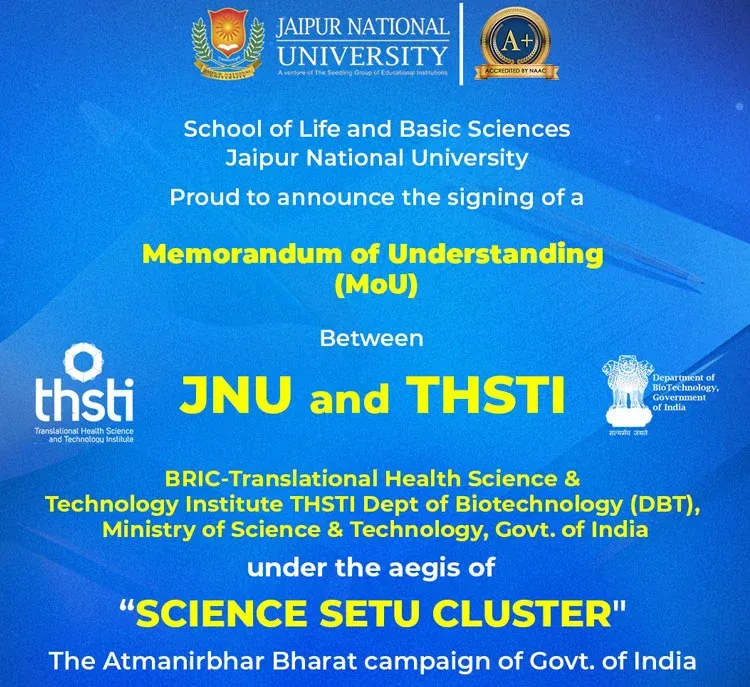
Part of Science Setu Cluster, DBT, Govt. of India

Host institute for MSME, Govt. of India

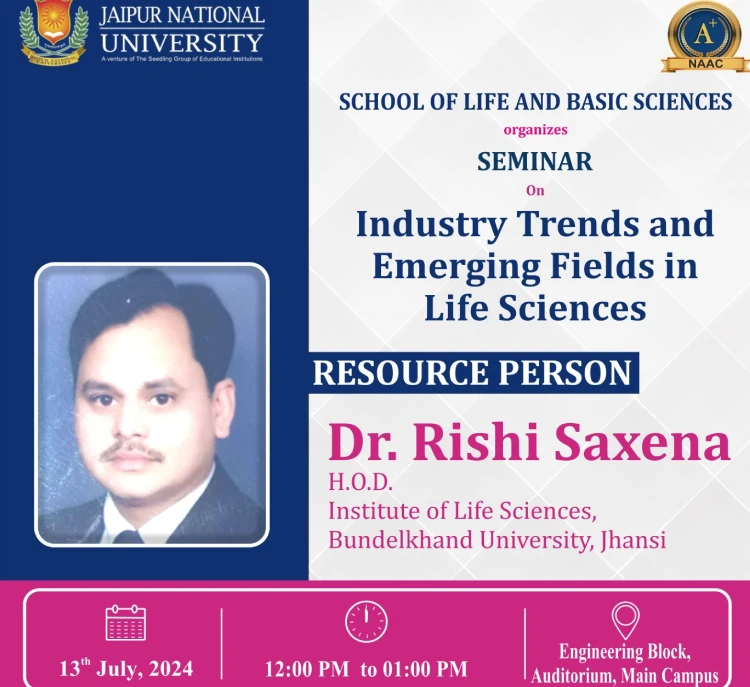
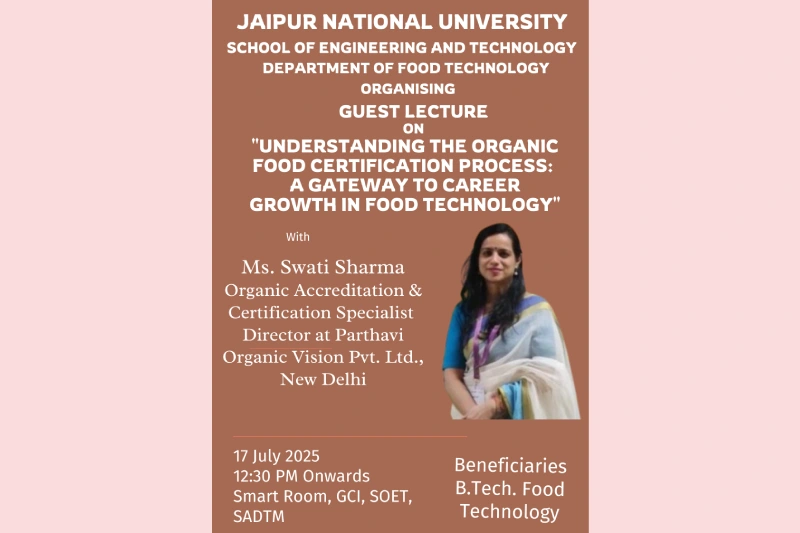
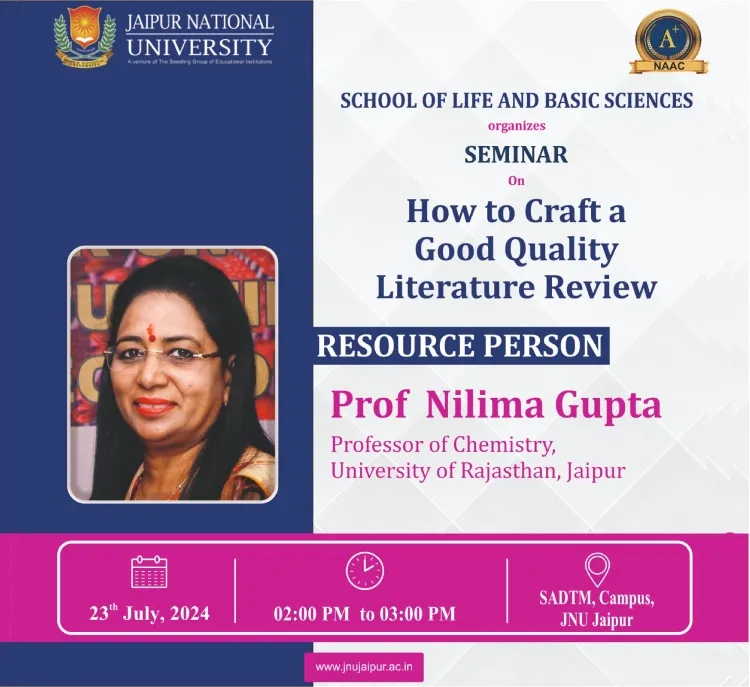
Interactions with Scientists, Industry Experts

Entrepreneurship and Product
Development

Promotes Biodiversity and Environmental Awareness

Distinctiveness

Experiential learning as a pedagogy emphasizes hands-on experiences, like workshops and skill development courses, allowing learners to actively engage with concepts.

It actively involves students in the learning process through quizzes, educational games, puzzles etc. The approach promotes engagement and collaboration, simultaneously enhancing understanding and retention.

Live Presentations, nukkad natak etc immerses students in realistic scenarios, fostering empathy, problem-solving, and critical thinking.

The school includes dissertations and also promotes internships by the students to develop problem-solving, research, and critical-thinking skills by tackling real-world challenges, enhancing practical expertise.

Trigging the students to think critically, they are empowered to identify and solve problems.

Inquiry-Based Learning through industrial visits allows students to actively explore real-world applications of theoretical knowledge.It also encourages questioning and practical understanding via direct interaction with industry professionals and environments.
Renowned teaching Faculty
Programmes to choose from
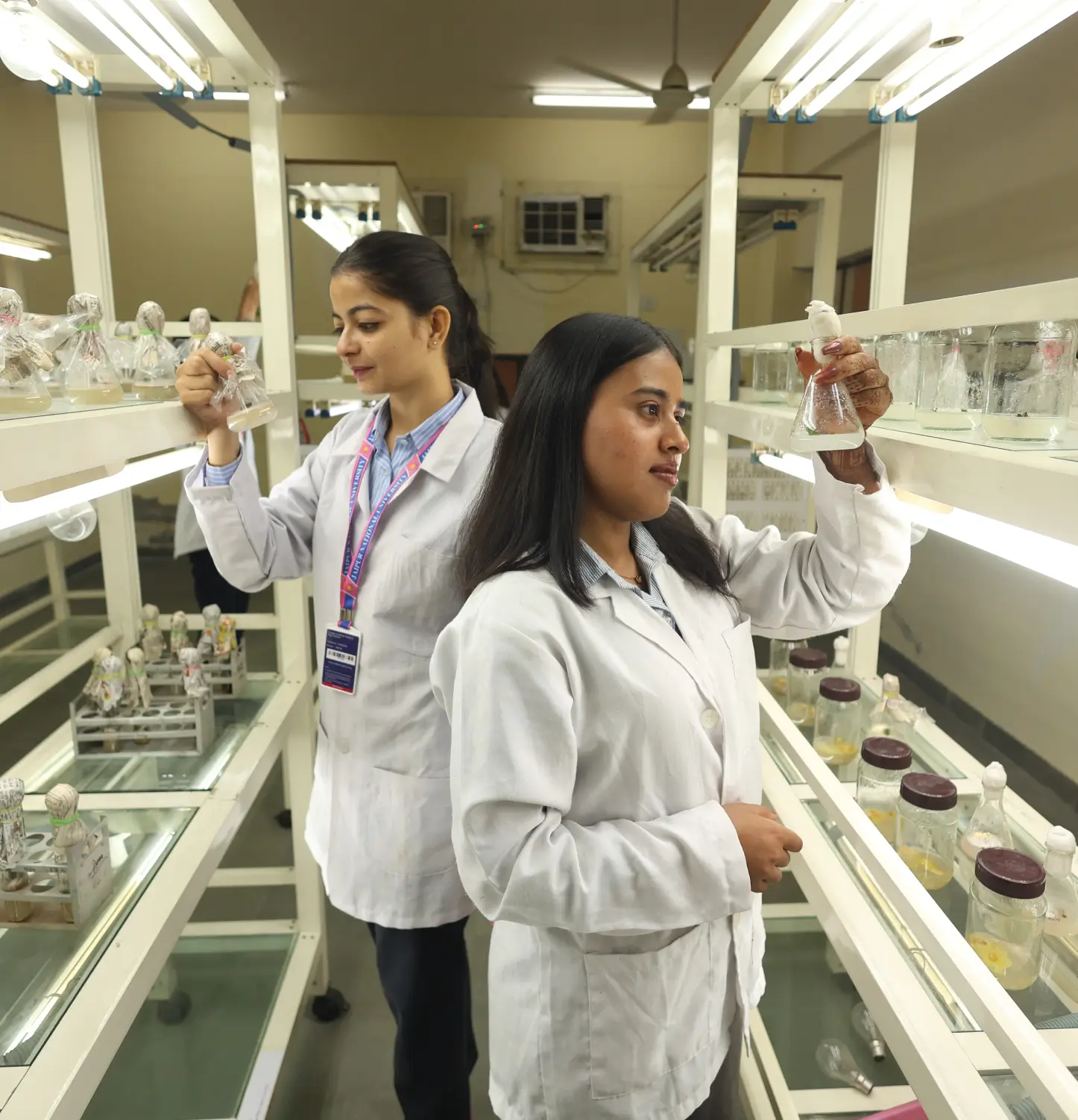
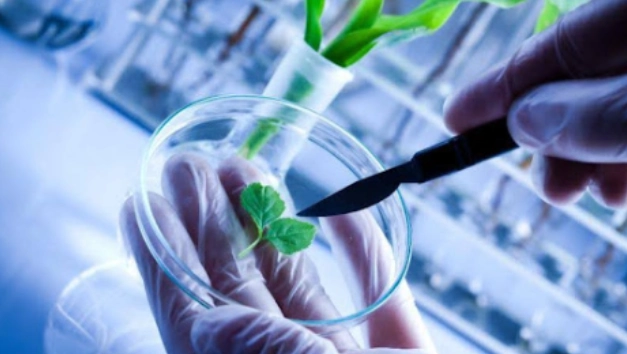
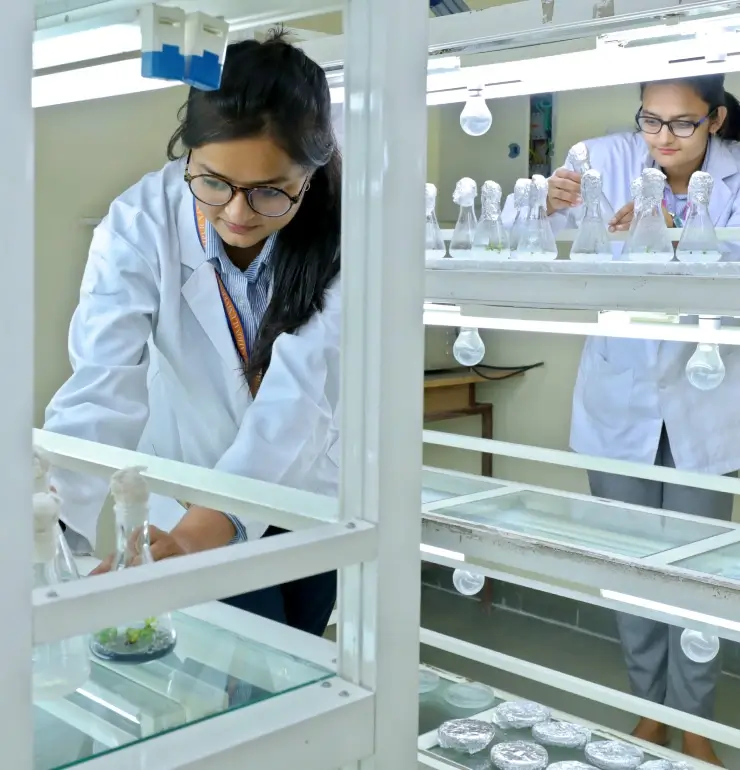
Plant Tissue Culture (PTC) is a specialized laboratory that involves growing plant cells, tissues, or organs in an artificial medium under controlled conditions.
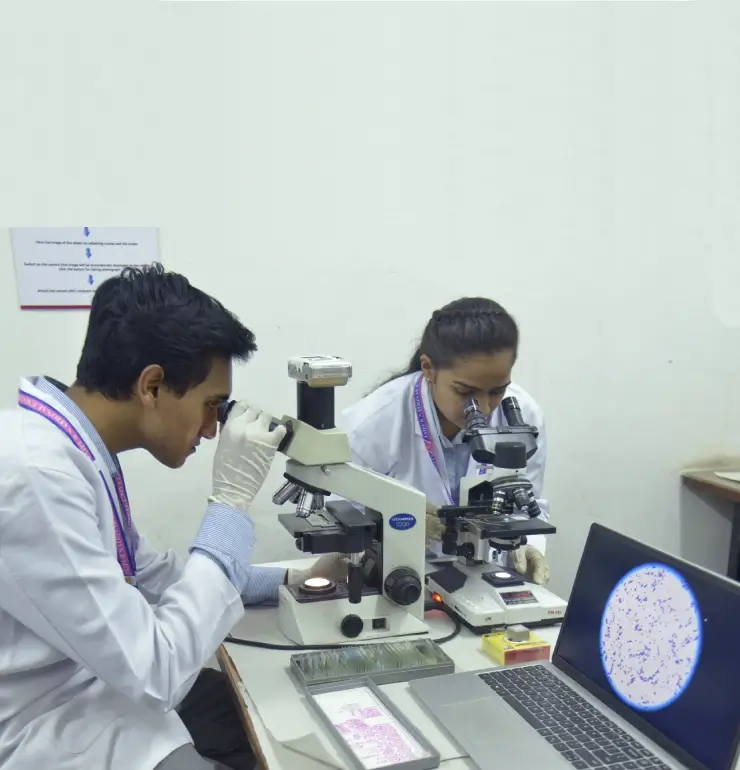
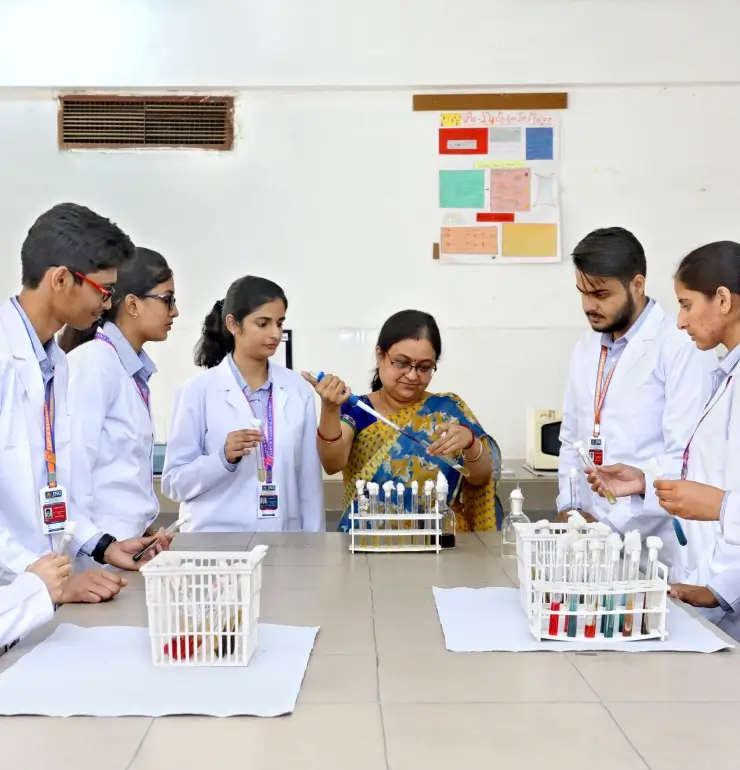
A microbiology lab is a specialized facility at the school. It is equipped with tools and equipment like microscopes, petri dishes, incubators, and autoclaves to isolate, culture, and analyze microbes.
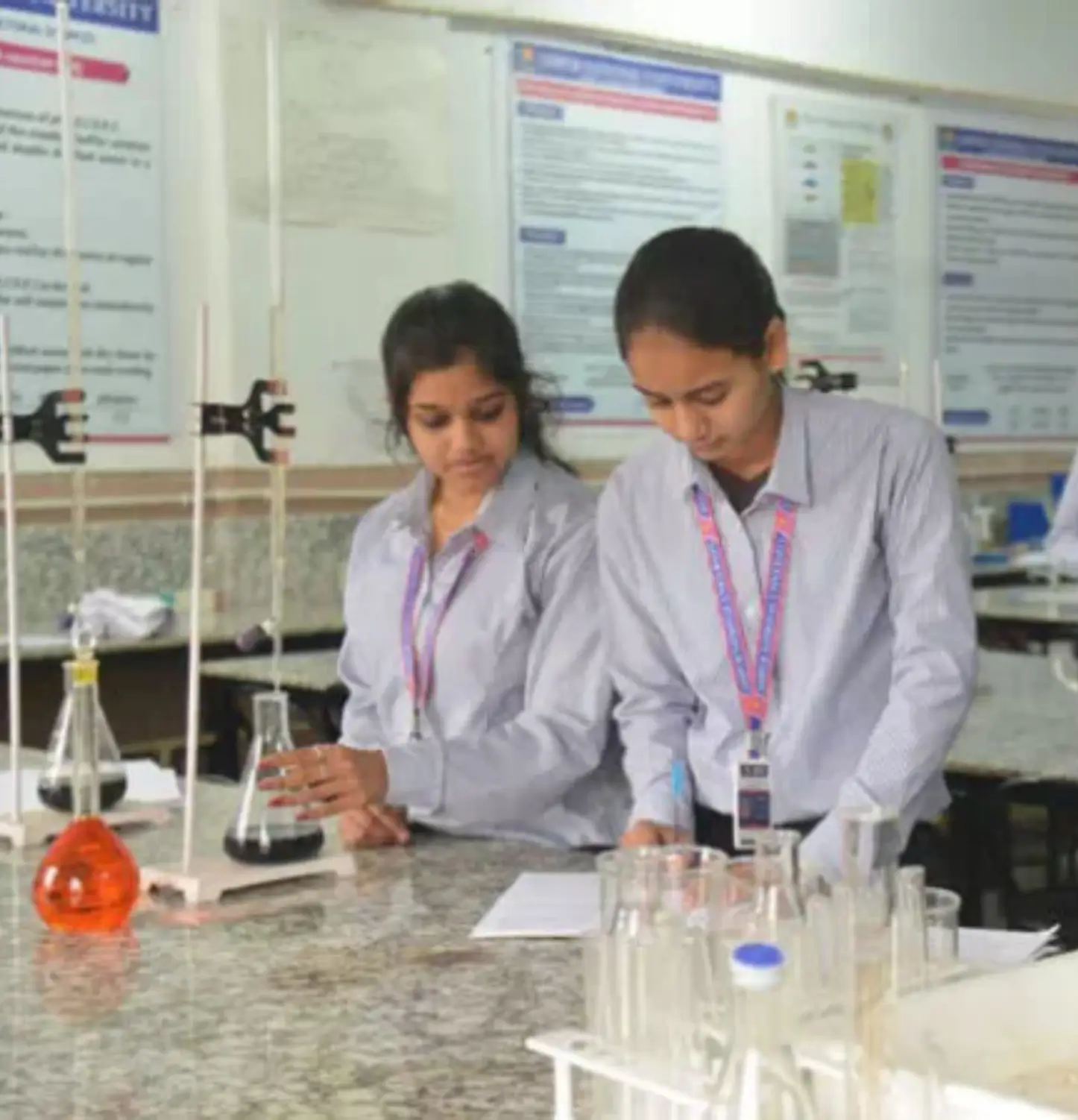
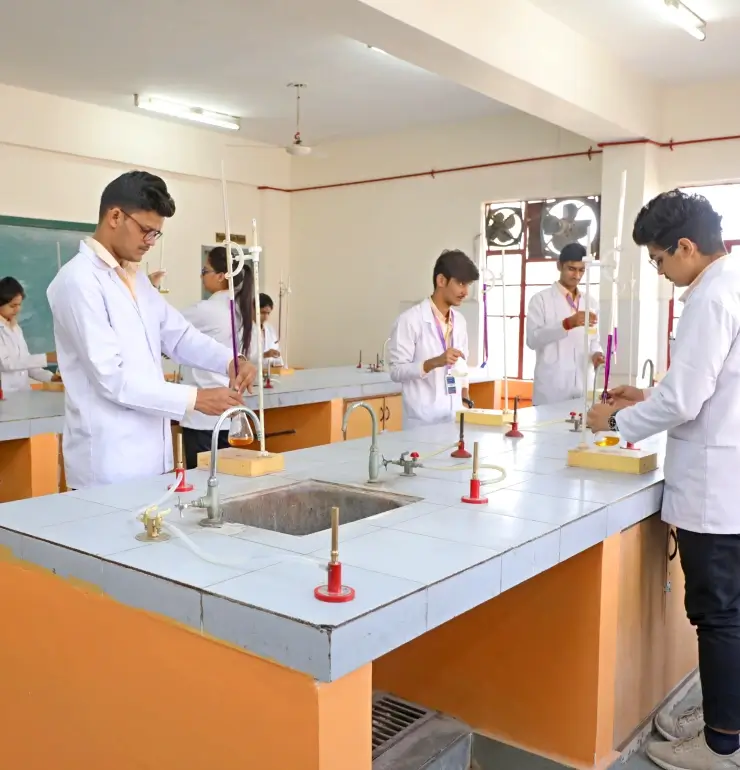
An organic chemistry lab is equipped with specialized tools and instruments to facilitate the study of organic compounds. Key features include fume hoods for ventilation, heating mantles, glassware like flasks, beakers, and burettes, and analytical tools like spectrometers and chromatographs.
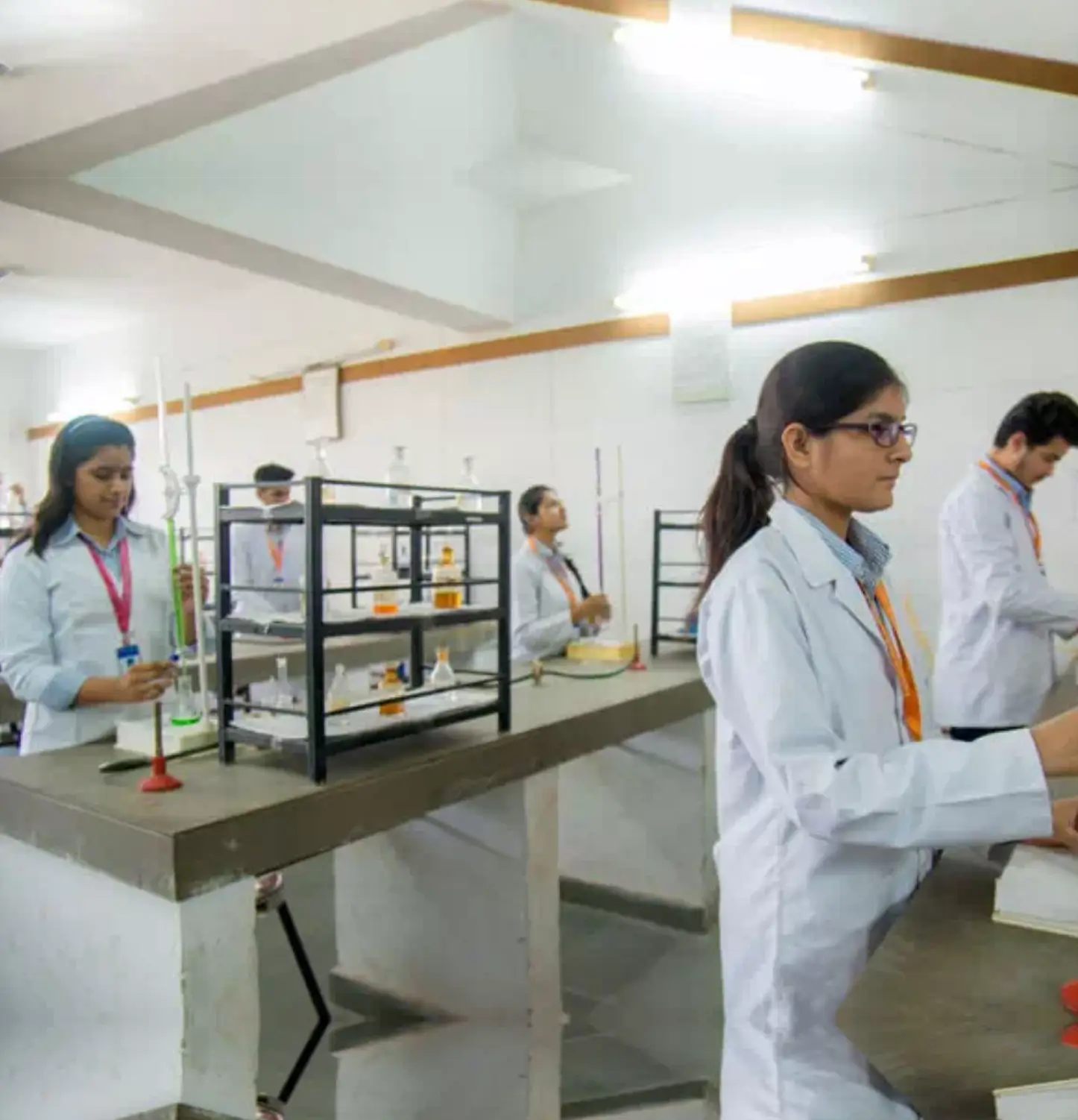
An Inorganic Chemistry lab is designed for studying the properties, reactions, and synthesis of inorganic compounds, such as metals, minerals, and coordination complexes. The lab typically includes specialized equipment like fume hoods, balances, and glassware for conducting titrations, precipitation reactions, and crystallization processes.
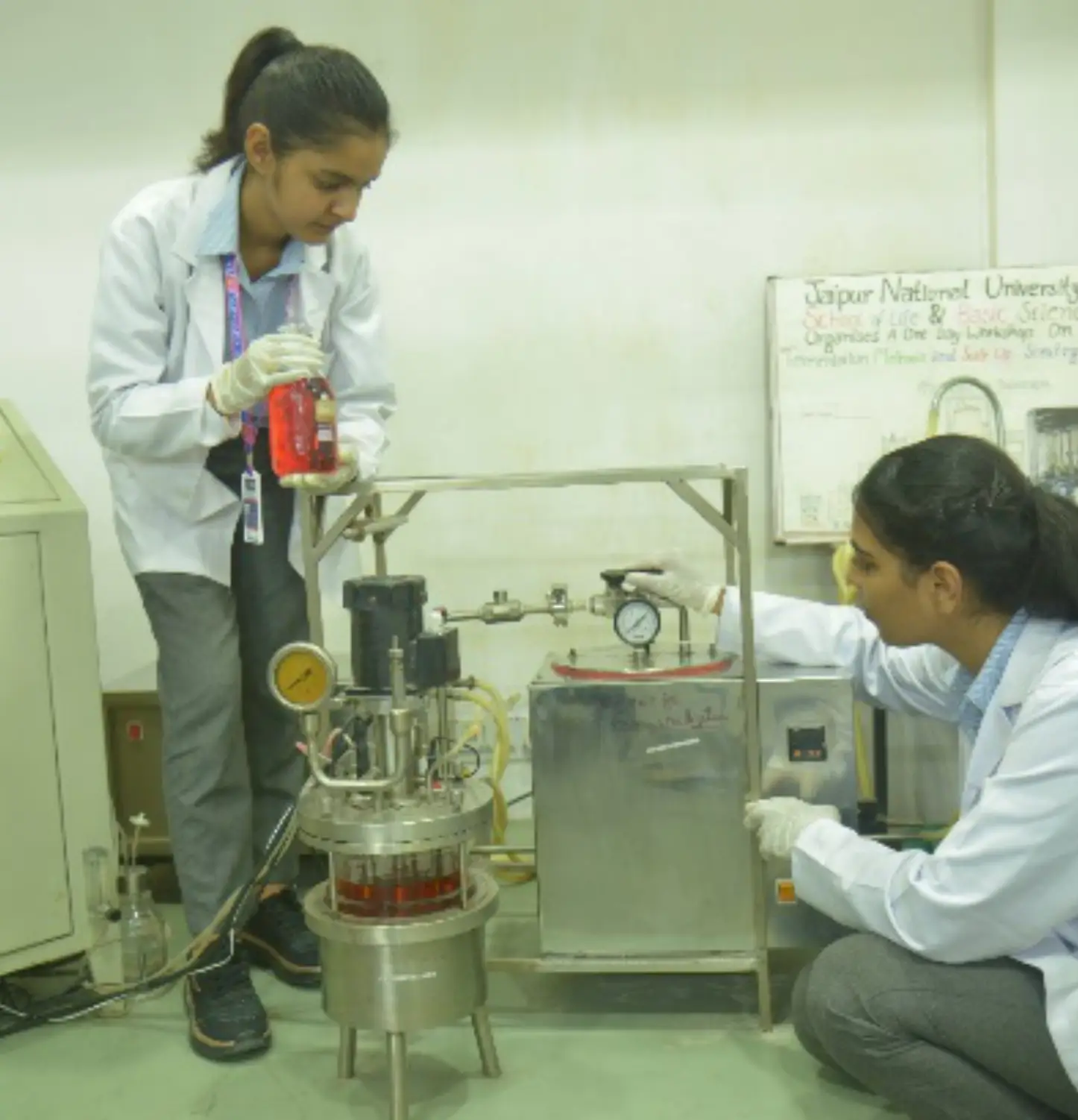
A fermentation lab is equipped to facilitate the controlled growth of microorganisms for various fermentation processes. typically includes sterile environments like laminar flow hoods to prevent contamination, incubators to maintain optimal temperature, and specialized equipment for monitoring pH, oxygen levels, and other growth conditions.
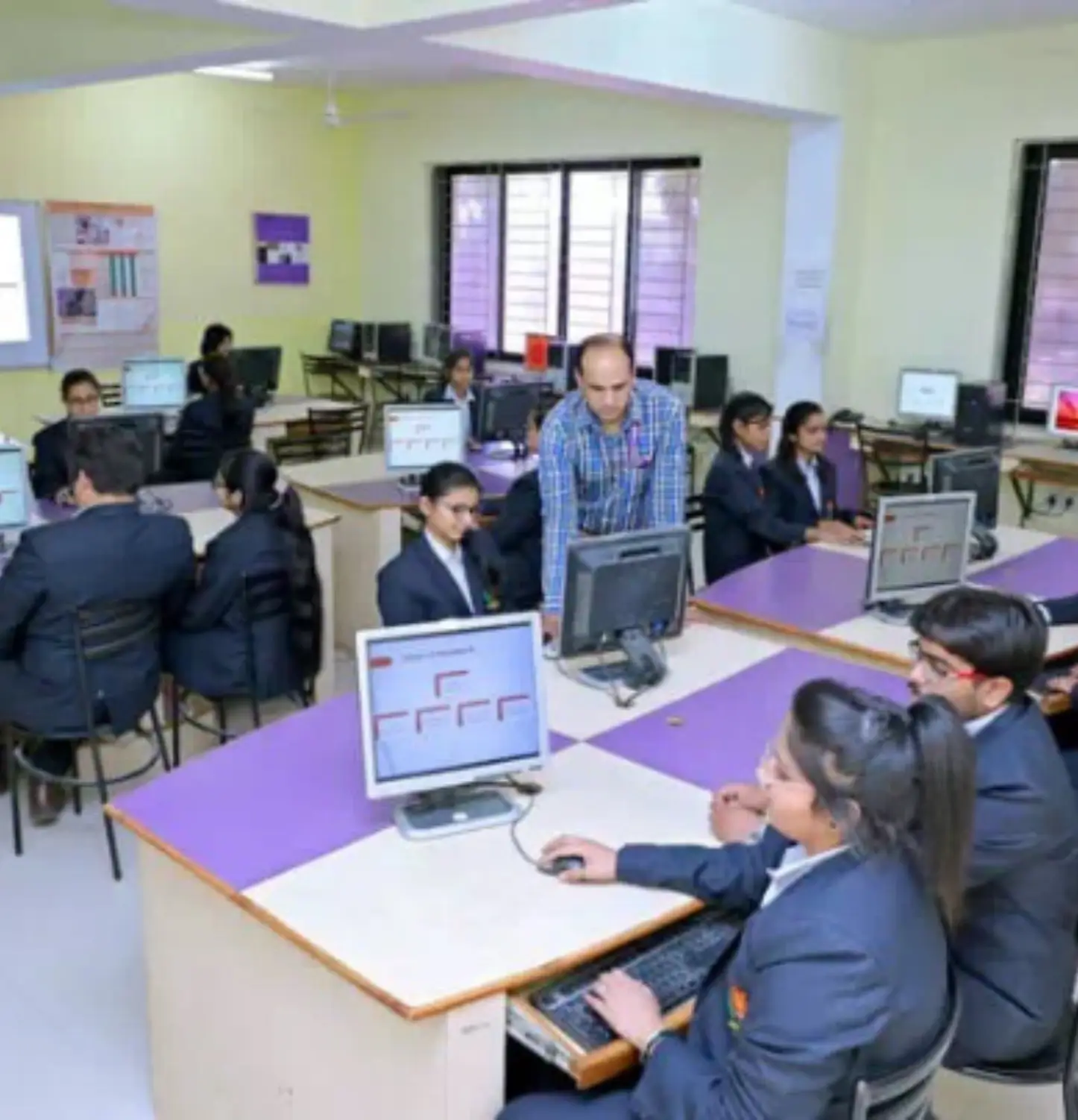
A computer lab is a designated space equipped with computers and related technology, designed to facilitate various digital tasks such as learning, research, and development.
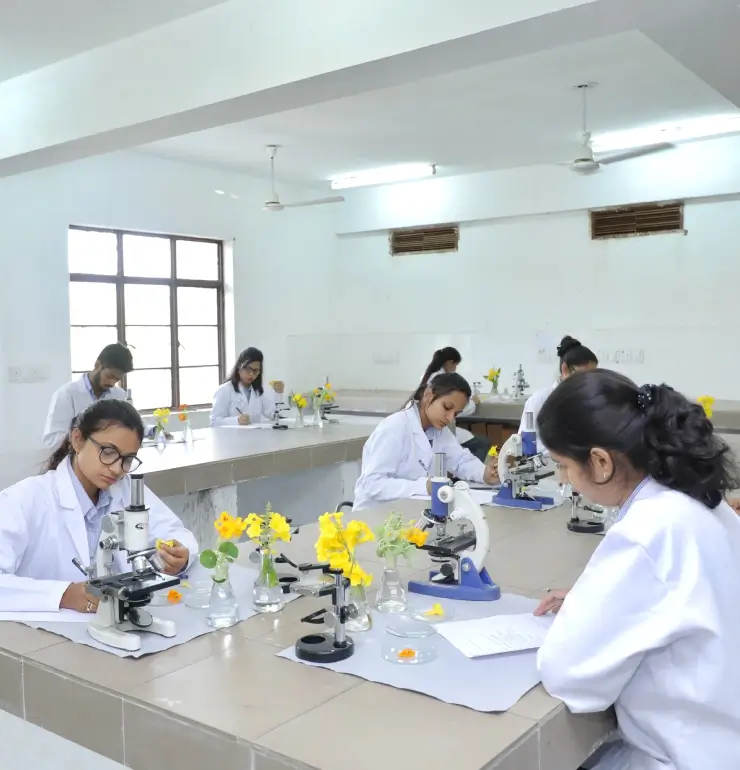
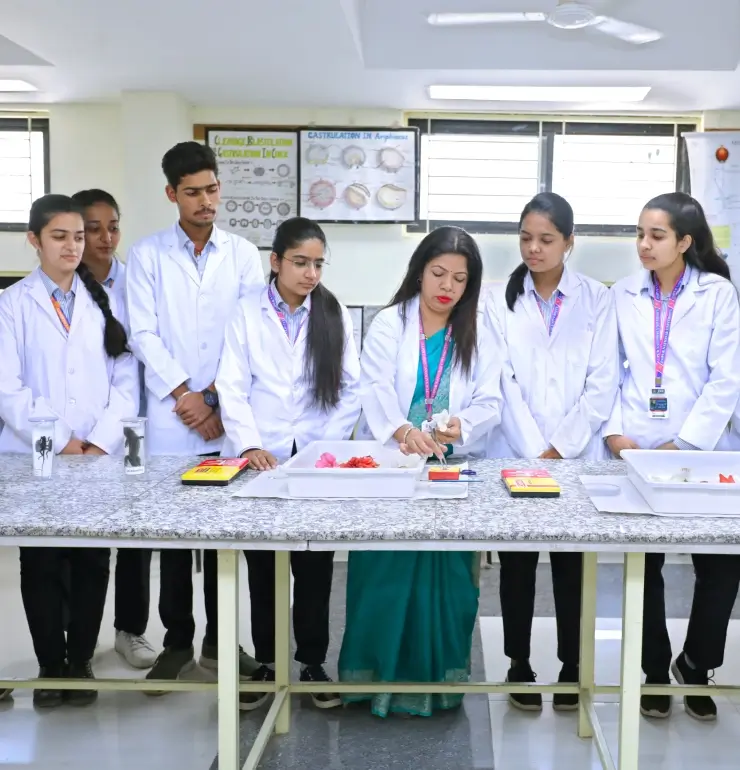
Botany lab is equipped with tools and instruments to study plants, their structure, functions, and growth. It typically includes microscopes for examining plant cells, plant tissue culture setups, growth chambers for experimenting with plant conditions, and herbarium collections for specimen study.
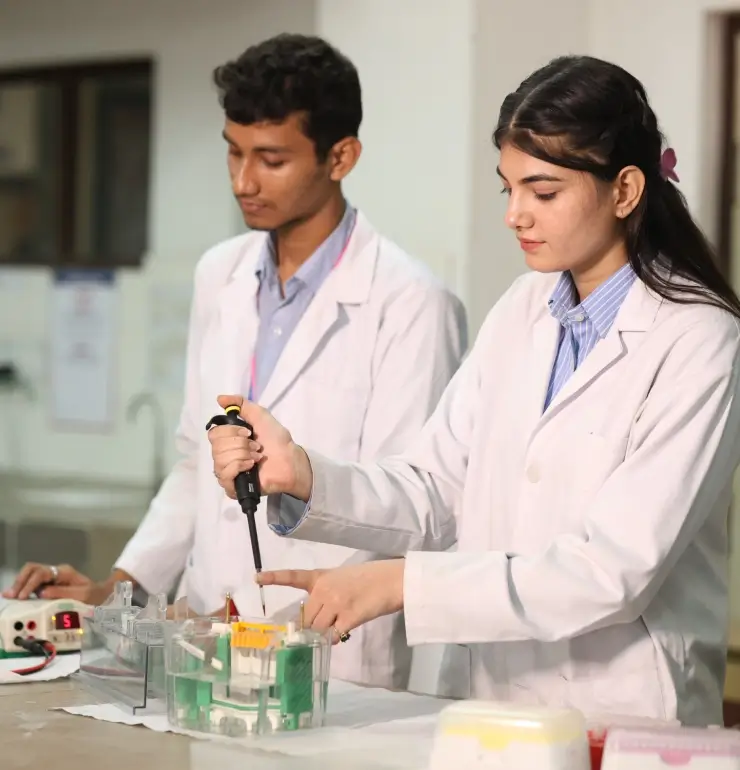
A Molecular Biology lab is equipped with specialized tools and technologies for studying the molecular mechanisms of biological processes. Key features include equipment like PCR machines, gel electrophoresis units, centrifuges, microscopes, and DNA sequencing platforms.
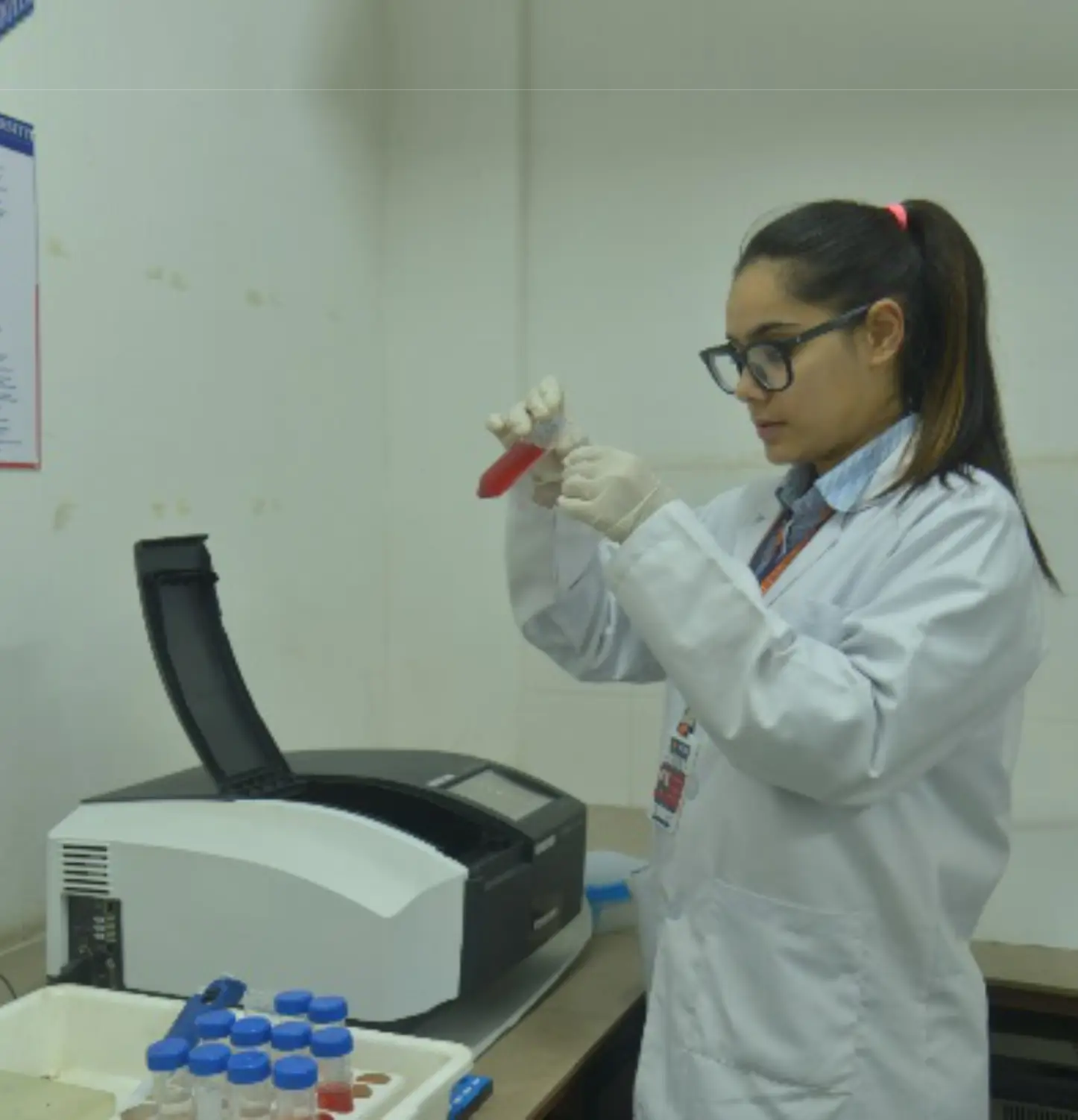
A Bioprocess lab is equipped with specialized tools and equipment for studying and optimizing biological processes used in industries such as pharmaceuticals, food, and biofuels. Key features include controlled environments (temperature, pH, and oxygen levels), fermenters for microbial cultivation, bioreactors for scaling up processes, and analytical instruments for monitoring biological reactions and product yields.
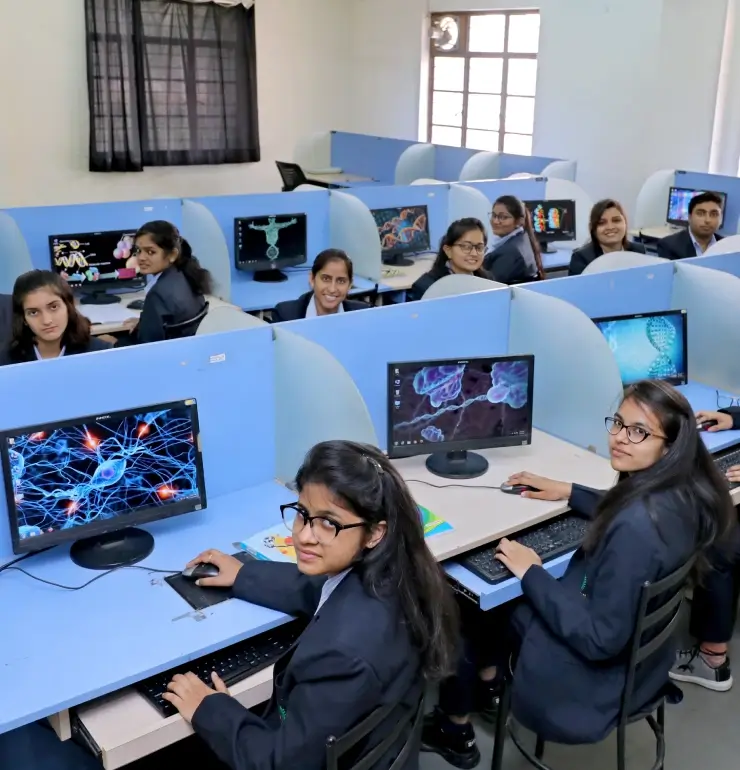
Bioinformatics labs are equipped with advanced computational tools, software, and databases for analyzing biological data, such as genomic sequences and protein structures.
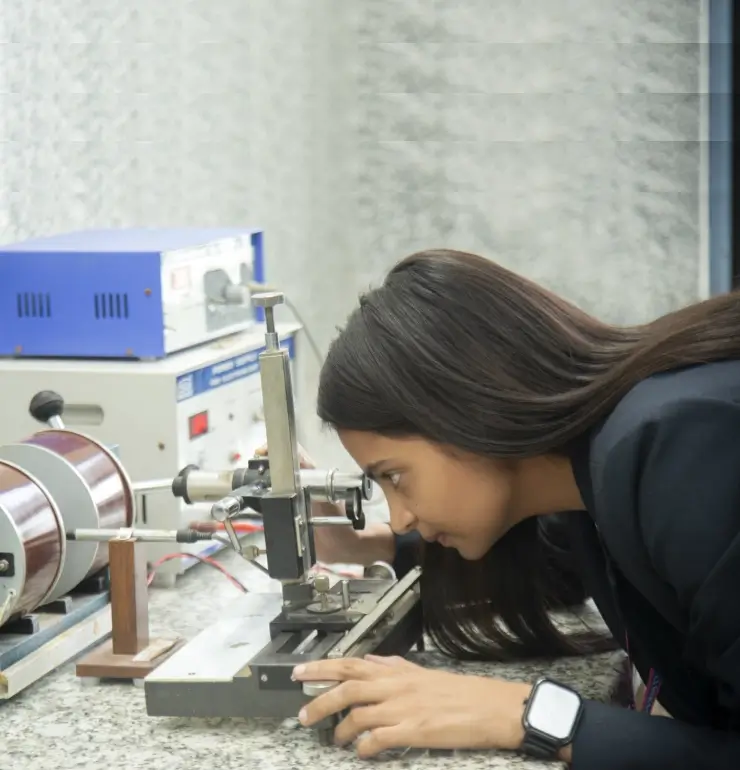
A physics lab is equipped with tools and instruments designed to explore and demonstrate the principles of physics through experimentation. The lab also typically provides access to materials for conducting hands-on experiments in mechanics, optics, electricity, magnetism, and other branches of physics.
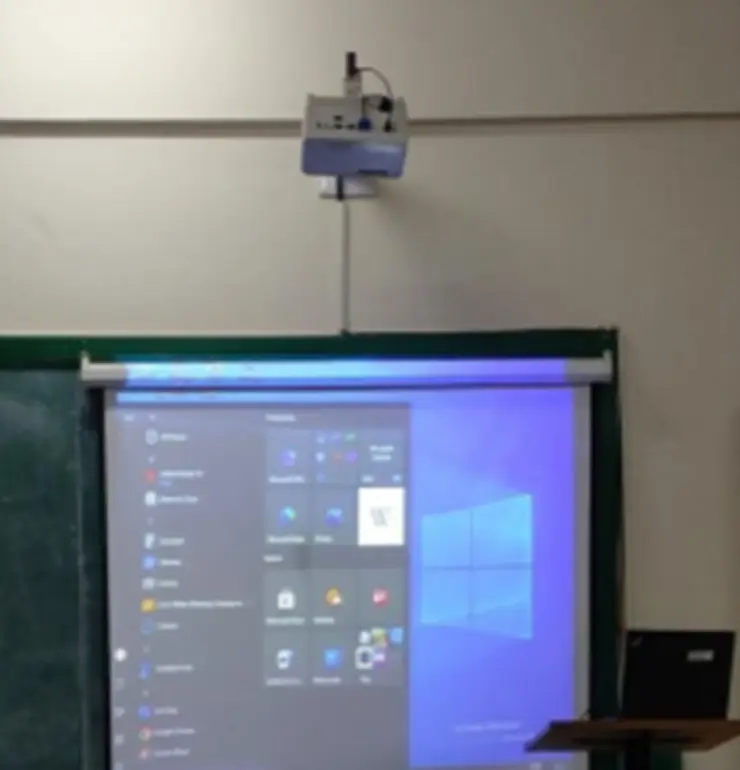
These ICT-enabled learning spaces facilitate enhanced student engagement through multimedia presentations, and real-time access to educational resources.






















My journey in M.Sc. Microbiology at Jaipur National University laid the groundwork for my Ph.D. at IIT Roorkee and post-doctoral research at the University of Florida.


The M.Sc. program at Jaipur National University provided me with comprehensive scientific training and critical thinking skills


The rigorous training and comprehensive learning I received during my B.Sc. in Biotechnology and M.Sc. in Microbiology at Jaipur National University prepared me exceptionally well in Clinical Data Management.


Jaipur National University (JNU) is renowned for its commitment to academic excellence and holistic development.


Jaipur National University offers an enriching environment for postgraduate studies. The faculty is incredibly supportive, bringing expertise and passion to the classroom.


At Jaipur National University, the postgraduate programs are truly exceptional.


Studying at Jaipur National University has been a transformative experience. The faculty’s dedication to teaching is evident in every class, motivating us to excel.


I would like to take this opportunity to express my gratitude for the education and experiences I gained during my time at the university.


I am currently working as an R&D Officer, where I apply the knowledge and skills.


I can confidently say that the faculty in the department has been incredibly supportive and generous in providing in-depth knowledge of the course curriculum.


I feel obliged for all the opportunities, golden chances and experience that I have received at JNU Jaipur.


As an M.Sc. Chemistry student at Jaipur National University, I had the privilege of being mentored by exceptional faculty members


Jaipur National University delivers a good quality of education and is a well renowned University.


Jaipur National University has played a crucial role in shaping my skills and career, culminating in my placement at the Serum Institute of India, Pune.


As a B.Sc. graduate from Jaipur National University, I am grateful for the solid academic foundation and research-oriented environment that prepared me for my Ph.D. at CSIR CIMAP.









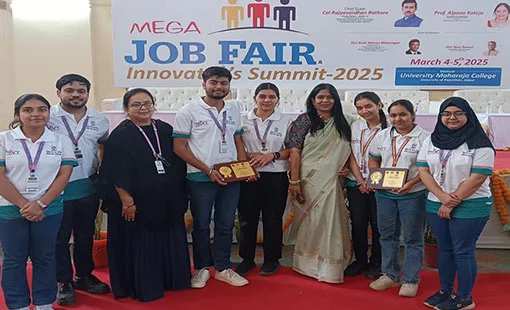
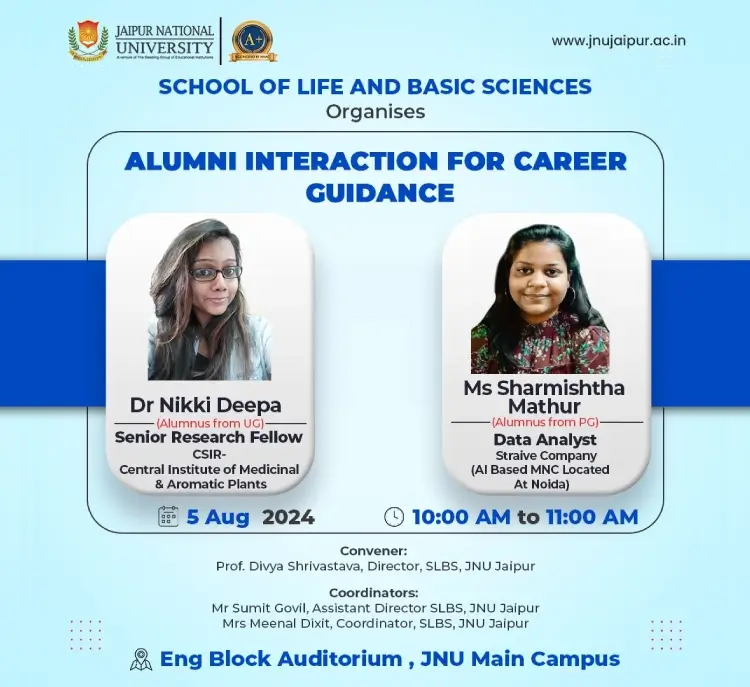
The school provides career guidance, placement assistance, and organizes campus recruitment drives in collaboration with industry partners. Graduates can pursue careers in research, healthcare, pharmaceuticals, environmental management, and academia, or continue with higher studies.
Yes, the School of Life and Basic Sciences has advanced labs and research facilities like molecular biology lab, plant tissue lab, in areas of basics and advance areas.
The school has MoUs with national institutes like ICAR-IISWC, ICAR-CSWRI, ECH Uniraj, KNHPI, Retro biotech etc. for internships, guest lectures, and research projects to enhance practical learning.
The school focused on holistic development. The students are motived to participate in extra- and co-curricular scientific activities like seminars, workshops, and conferences which are held at the school on the regular basis. Furthermore, students can join clubs at university level.
Yes, the university offers scholarships based on academic merit and need-based criteria.
Copyright © 2026 Jaipur National University. All Rights Reserved.
Website Design and Development by Sterco Digitex