Admission HelpDesk


 Admission HelpDesk



 1800-102-1900
  admissions@jnujaipur.ac.in

As a student at Jaipur National University, I am truly grateful for the supportive and enriching
Mr. Ashik Raj
B.Sc Operation Theater Technology



Jaipur National University, Jaipur is one of the top self-financed private university in Rajasthan sponsored by the Mahima Shiksha Samiti.

If you have an innovative idea, we can show you the way ahead. Be an entrepreneur with the perfect..
Social responsibility takes many forms - from providing affordable/free healthcare...
Their focus is to develop both education and critical skills to help our students excel in life.

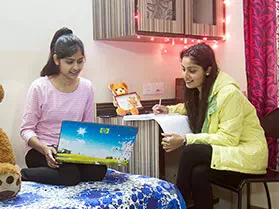

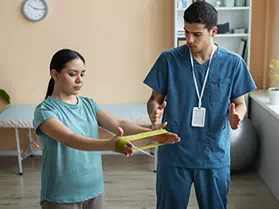


The school has been established in 2015 provides numerous opportunities for our graduates to fill up niche areas of medical services that are always in high demand.
Our graduates learn to help prevent, diagnose, and treat through care, compassion, and meaningful intervention. These healthcare professionals support physicians and nurses at various hospitals, community settings, laboratories, and research institutions.


Industrial
Collaborations

Extensive Clinical Exposure & Community Service

Industry-Ready
Curriculum

Internships and Hands-on Training

Research and
Development

State-of-the-Art
Infrastructure

Experienced
Faculty

Live Crime Scene
Investigations

Focus on the needs, interests, and learning styles of students.

Promote learning by allowing students to construct their own understanding and knowledge through experience and exploration.

Encourage teamwork and group activity, fostering communication, problem-solving skills, and diverse perspectives.

Use regular, low-stakes assessments to gauge student understanding and progress.

Utilize digital tools and resources to enhance learning. This can include multimedia presentations, videos, animation, etc.

Provide hands-on, real-world experiences through projects, field trips, or simulations to make learning more relevant and engaging.
Renowned teaching Faculty
Programmes to choose from
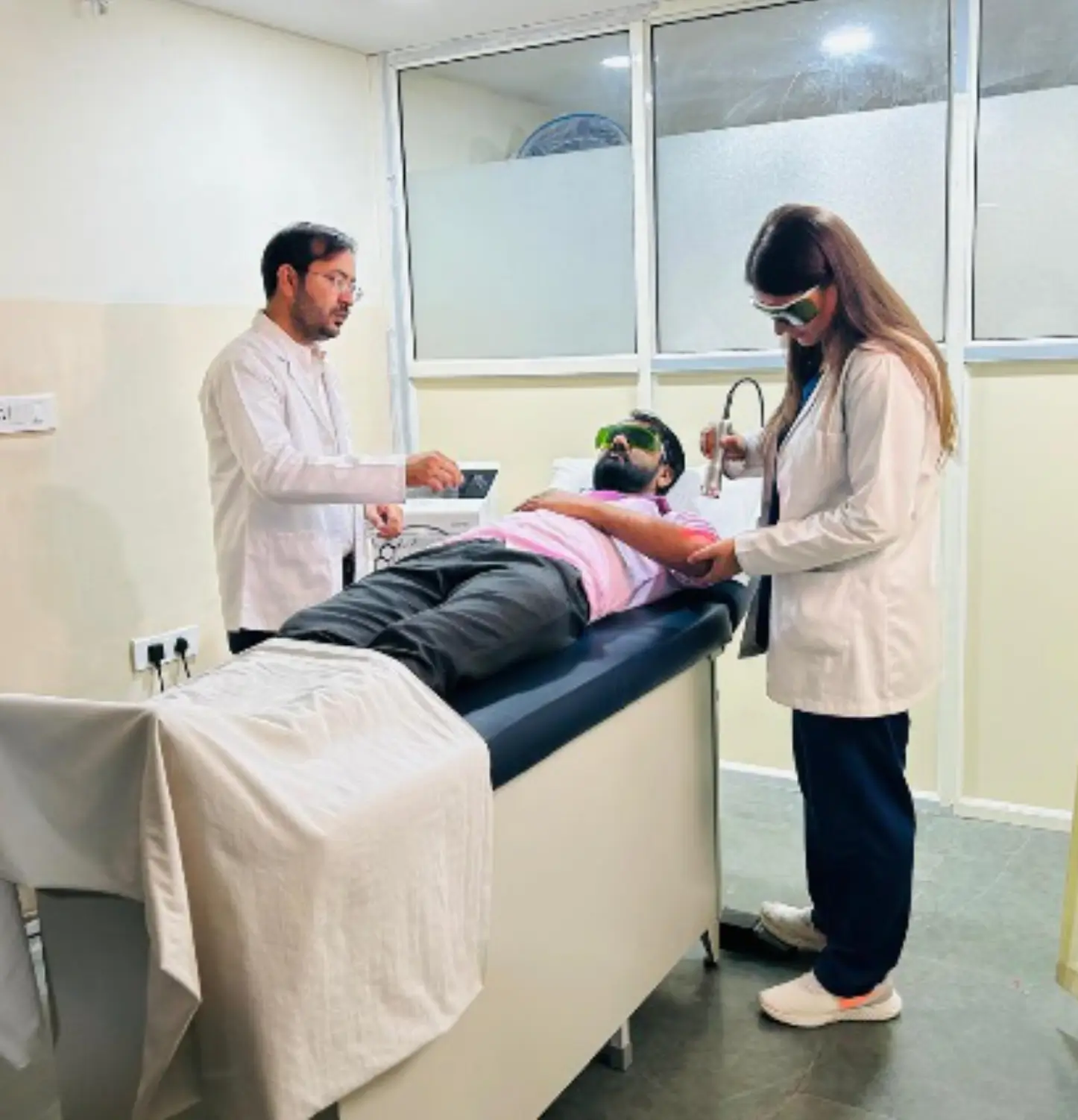
The electrotherapy lab is well equipped with advanced electrical modalities meant for the efficient treatment of the patients and imparting education to the students. The state-of-the-art electrotherapy laboratory features advanced therapeutic equipment including LASER, Short Wave Diathermy, ultrasound, TENS and interferential therapy units etc. This well-equipped facility enables students to gain hands-on experience in evidence-based electro physical treatments while providing comprehensive care to patients under expert supervision.
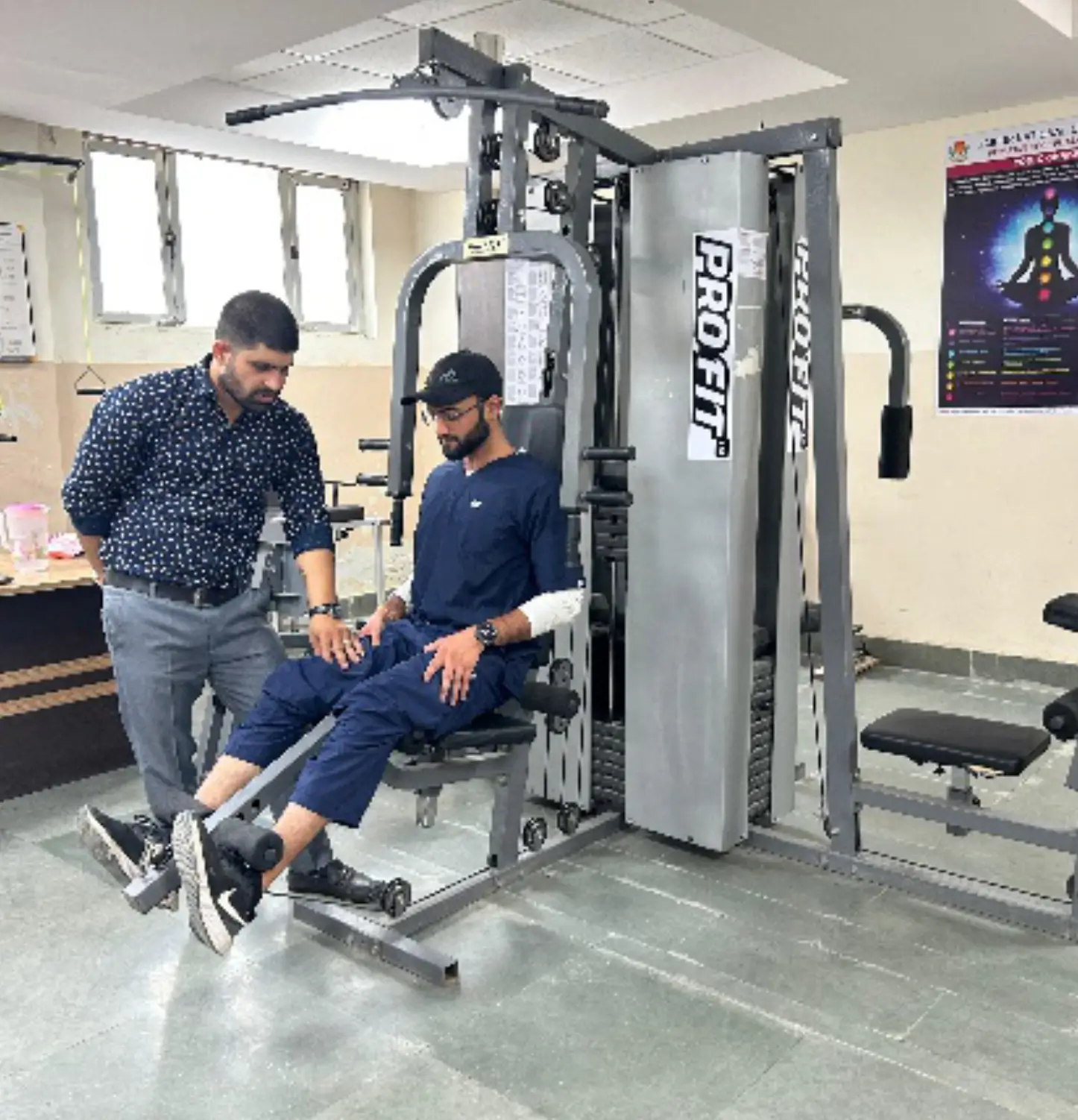
The comprehensive rehabilitation facilities feature advanced equipment including multi gym, suspension therapy units, CPM machines, treadmills, stationary bikes, and resistance training apparatus. The labs are equipped with treatment couches, parallel bars, balance boards, and therapeutic tools, enabling students to master assessment and rehabilitation techniques while providing evidence-based patient care.
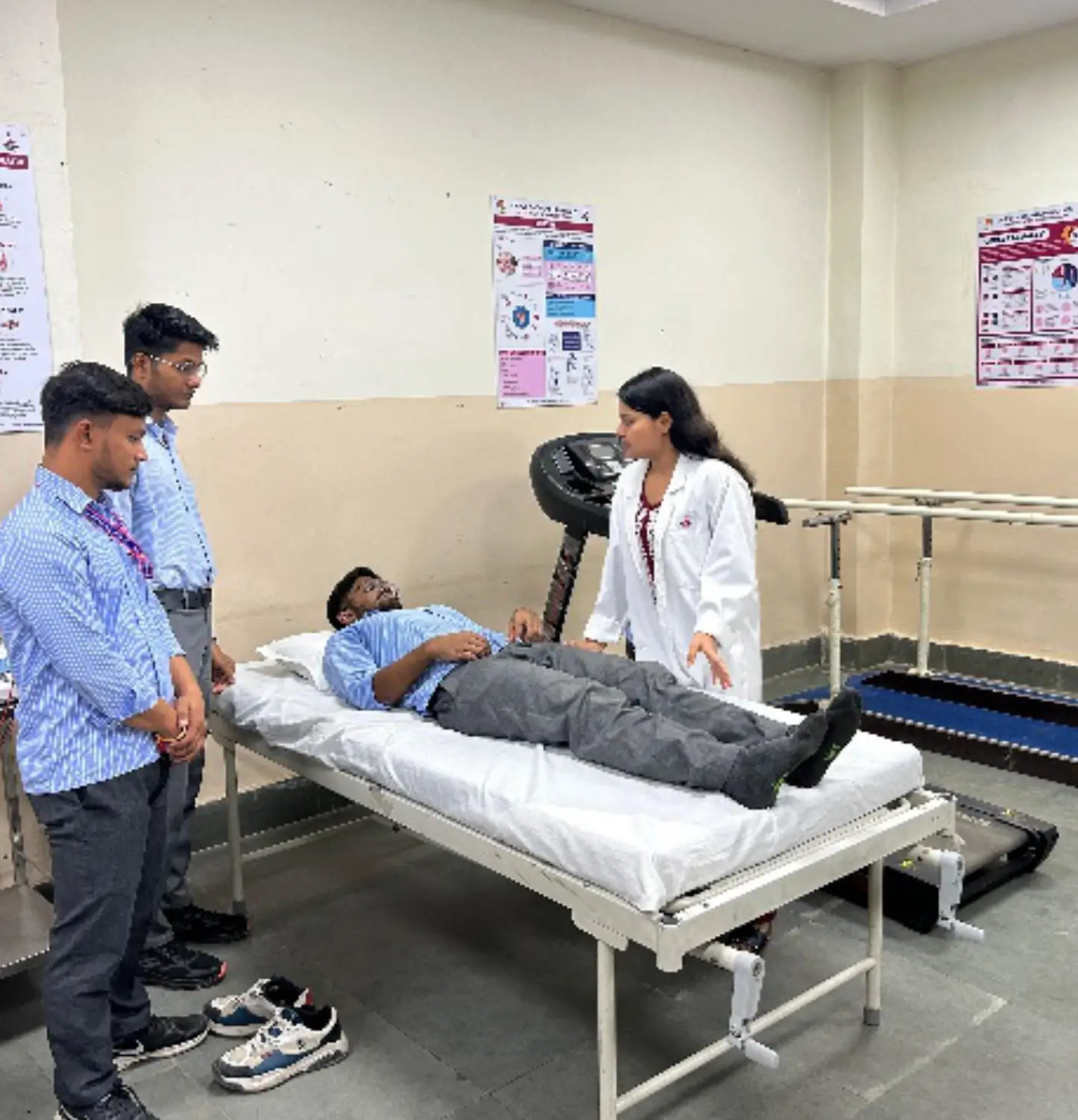
The specialized neuro-rehabilitation laboratory features advanced equipment including neurological treatment beds, parallel bars, suspension couch, gait training devices, and specialized motor relearning equipment to provide comprehensive rehabilitation for neurological conditions under expert guidance.
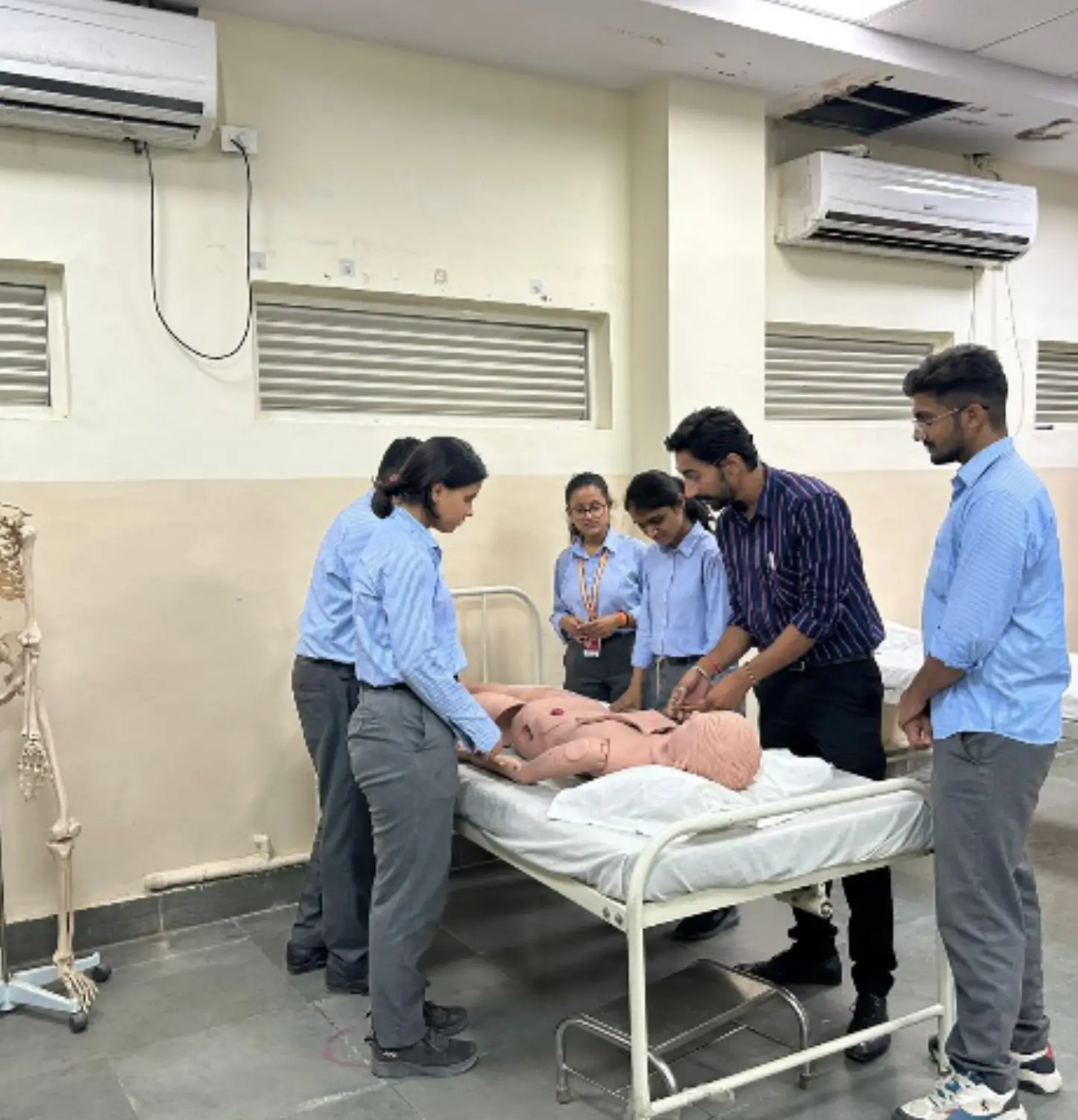
The cardiopulmonary rehabilitation laboratory is equipped with modern treadmills, stationary bicycles, pulse oximeters, and spirometers for comprehensive patient care. The facility also features cardiac endurance training to provide supervised cardiovascular and respiratory rehabilitation under professional guidance.
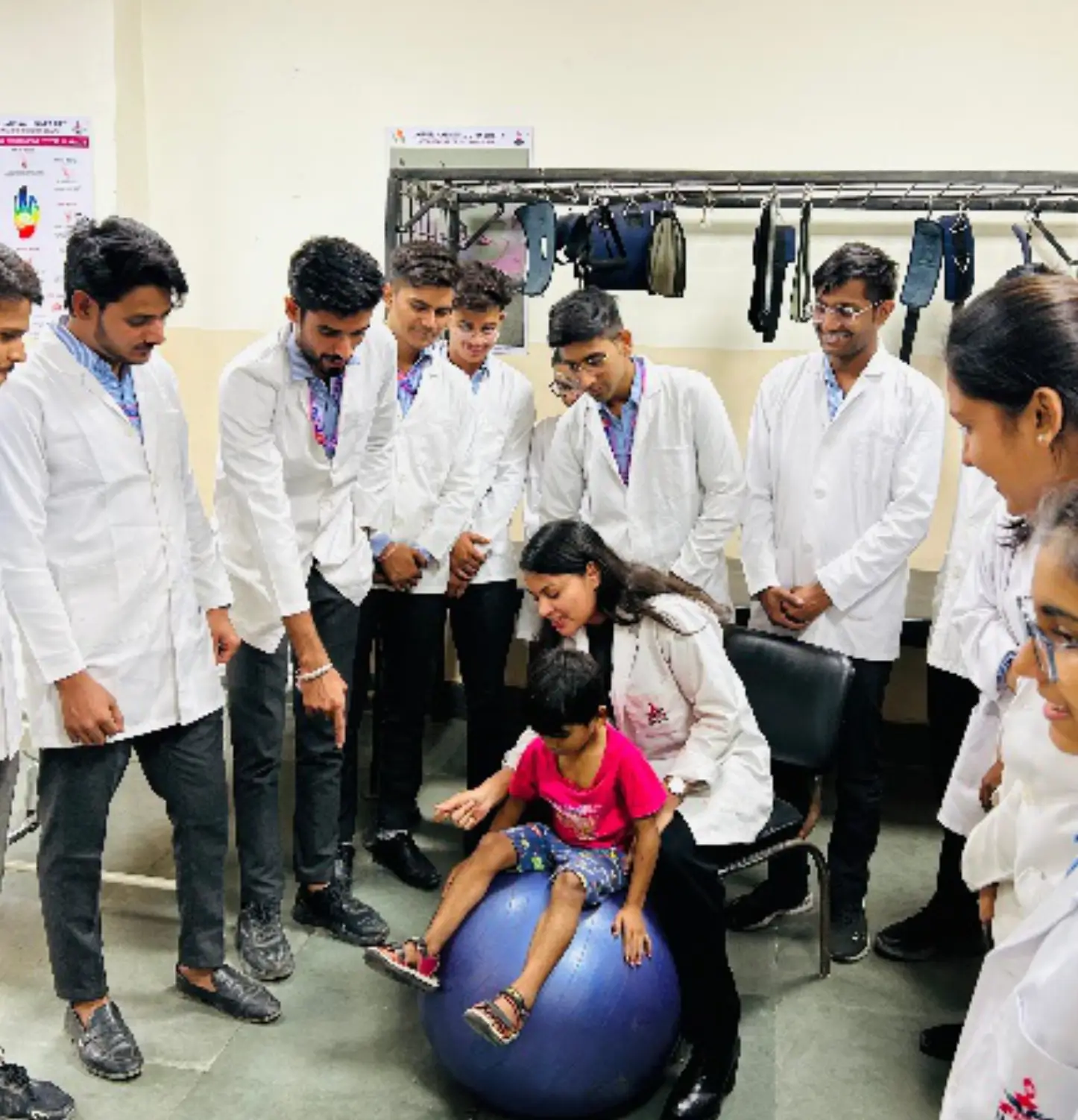
The specialized Mother and Child Care Lab features equipment for pre and postnatal care, including pelvic floor rehabilitation units, pediatric training, and developmental assessment. The facility provides therapeutic resources for women's health and pediatric rehabilitation, with specialized treatment beds, and child-friendly exercise apparatus.
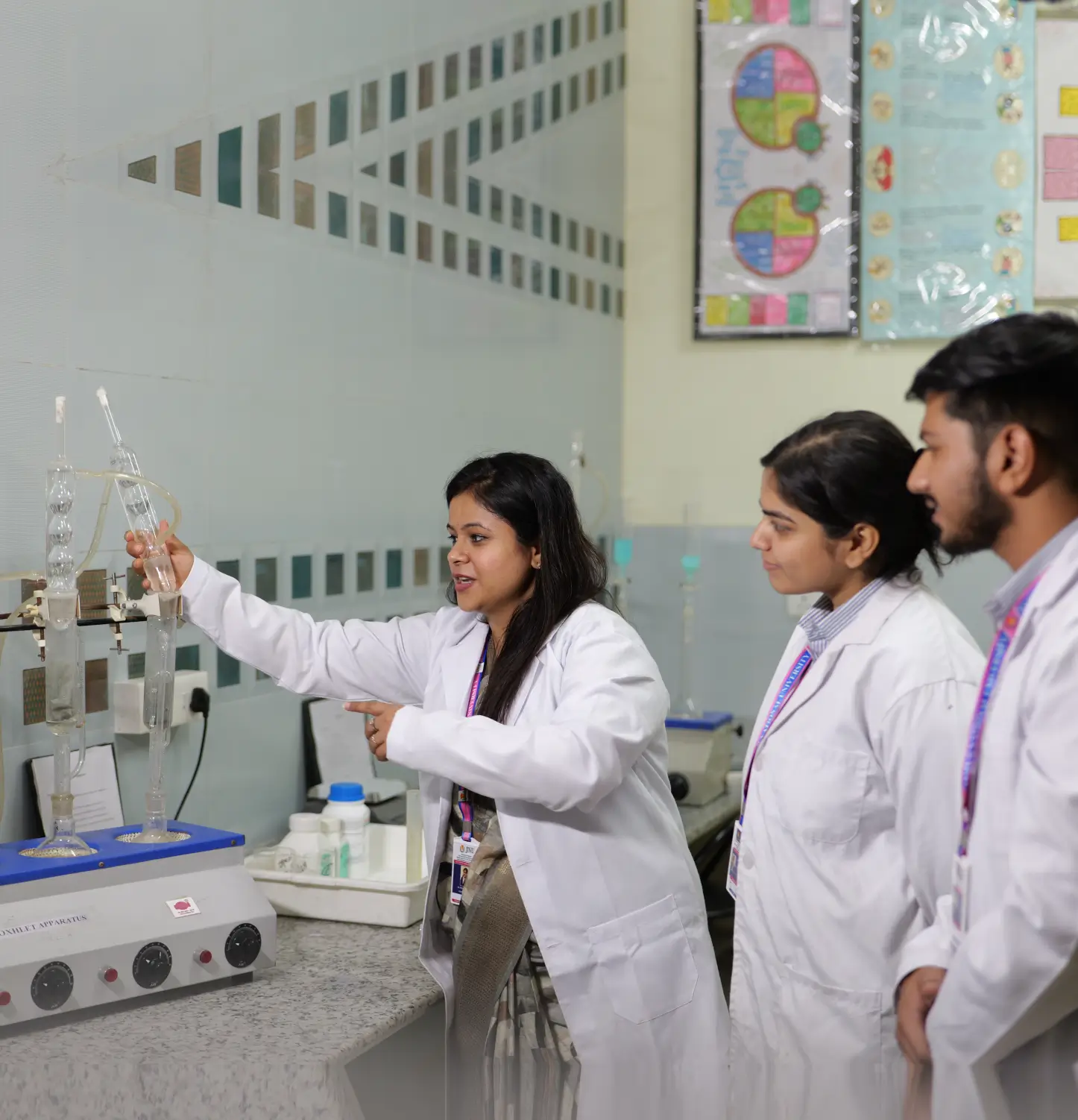
A Nutrition Analytics Lab specializes in analysing food composition, nutrient content, and dietary impacts. Equipped with advanced tools, it evaluates samples for macronutrients, micronutrients, and contaminants, supporting research in health, diet optimization, and food quality assurance.
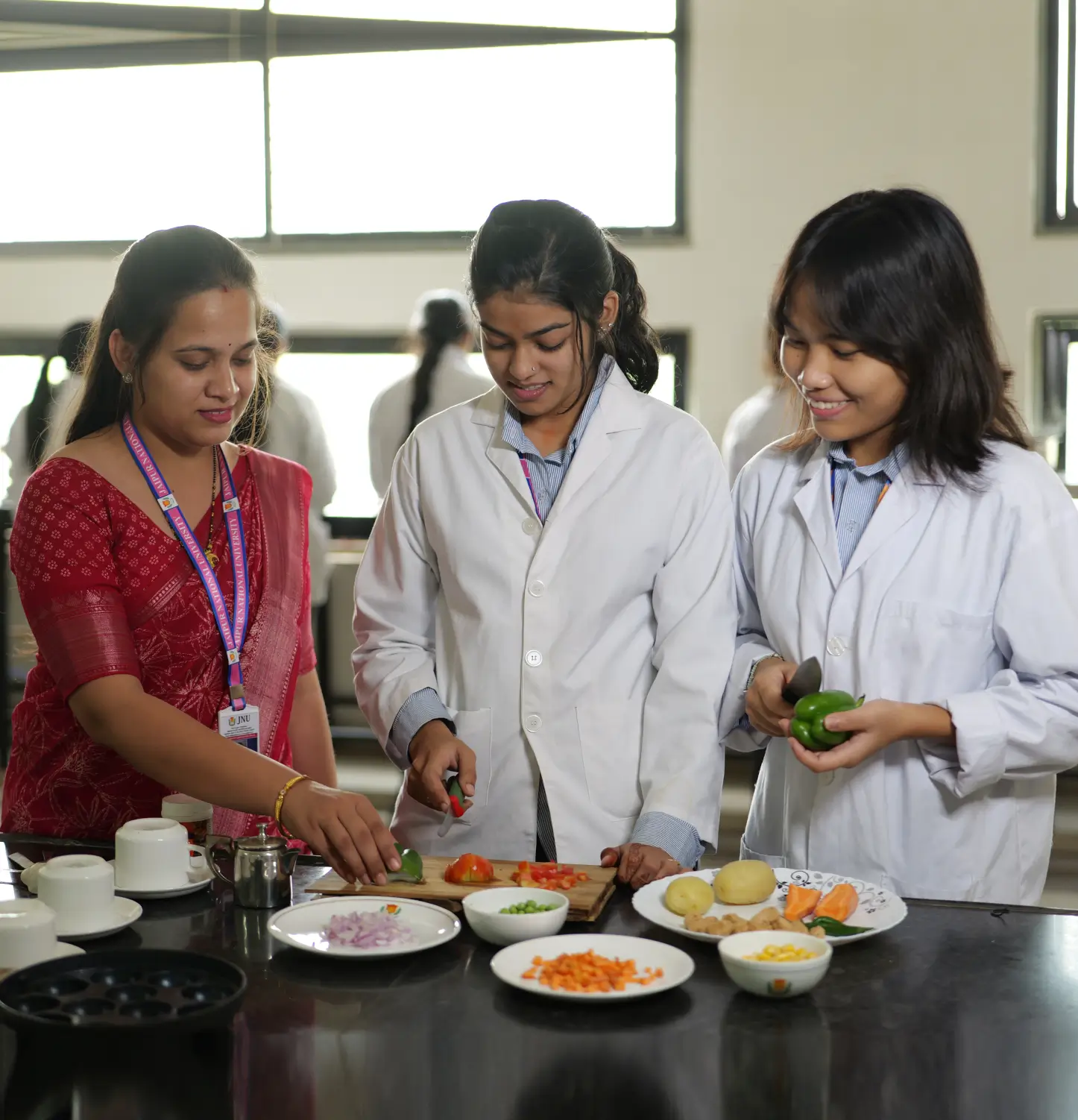
Nutrition Lab for product development analyzes ingredients, nutrient profiles, and sensory qualities to create healthier, high-quality food products. It supports innovation by optimizing formulations, ensuring safety standards, and enhancing nutritional value to meet consumer needs.
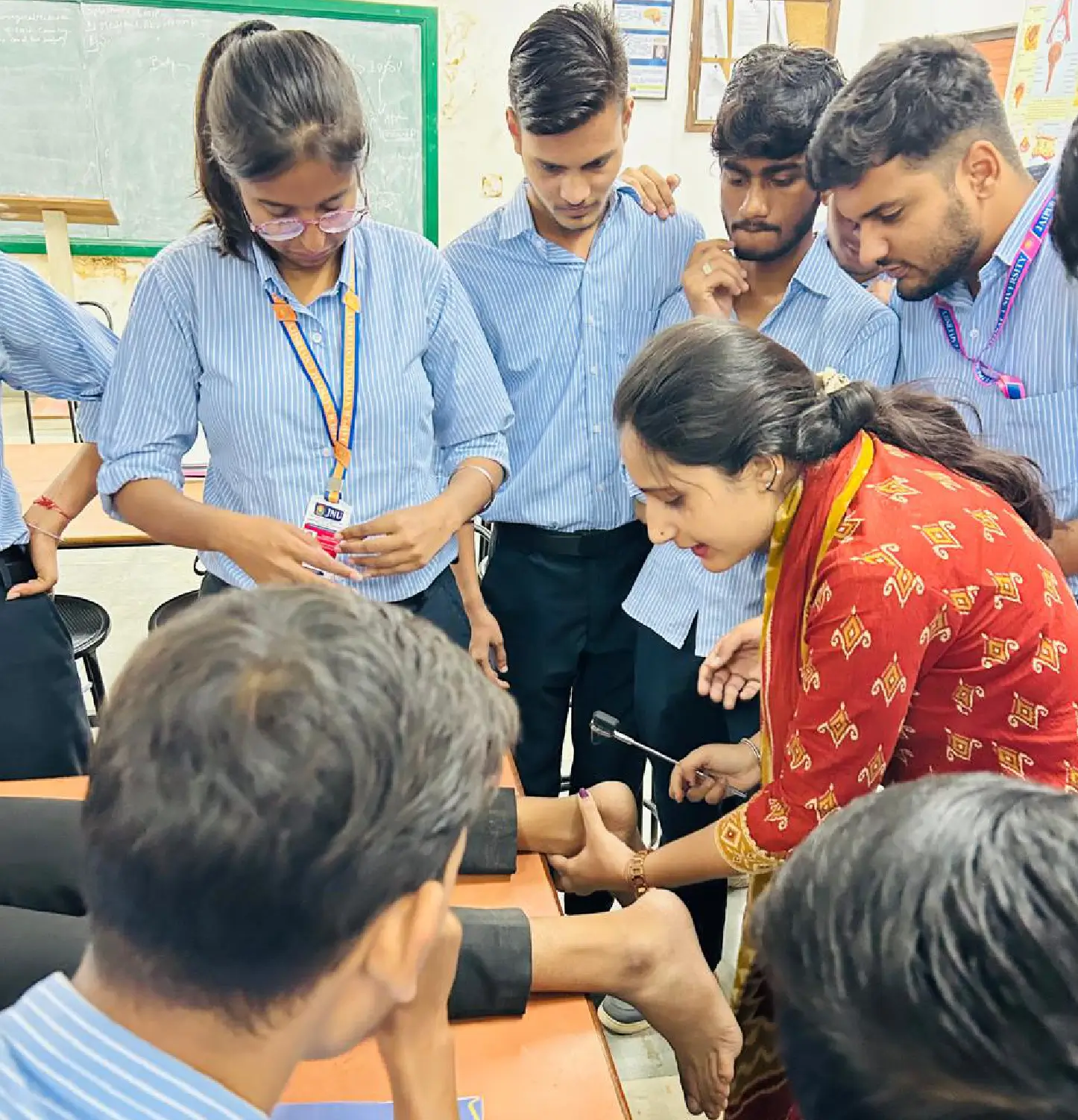
In clinical settings, physical examination is a crucial skill for diagnosing various health conditions. Through this lab, students learn to use tools like the stethoscope and reflex hammer to examine physiological functions, including heart and lung sounds, and reflexes. This hands-on training is vital for building confidence and competence in clinical assessments.
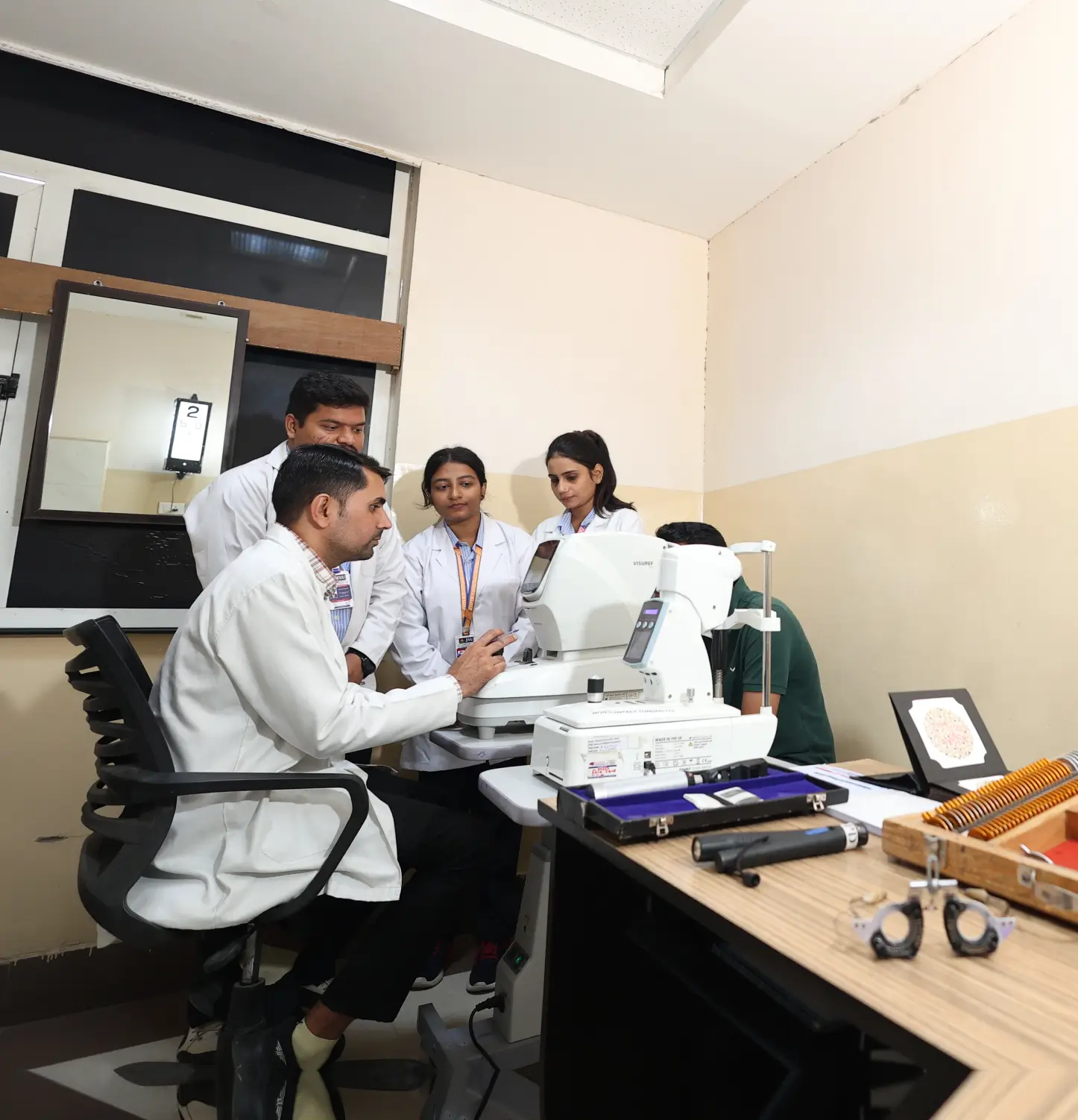
Optometry labs are essential for mastering diagnostic procedures that evaluate refractive errors, intraocular pressure, and retinal health. This lab emphasizes practical application, helping students build confidence and competence in using advanced ophthalmic instruments and performing syringing procedures. These skills are vital for diagnosing and managing a range of ocular conditions, from glaucoma to tear duct obstructions.
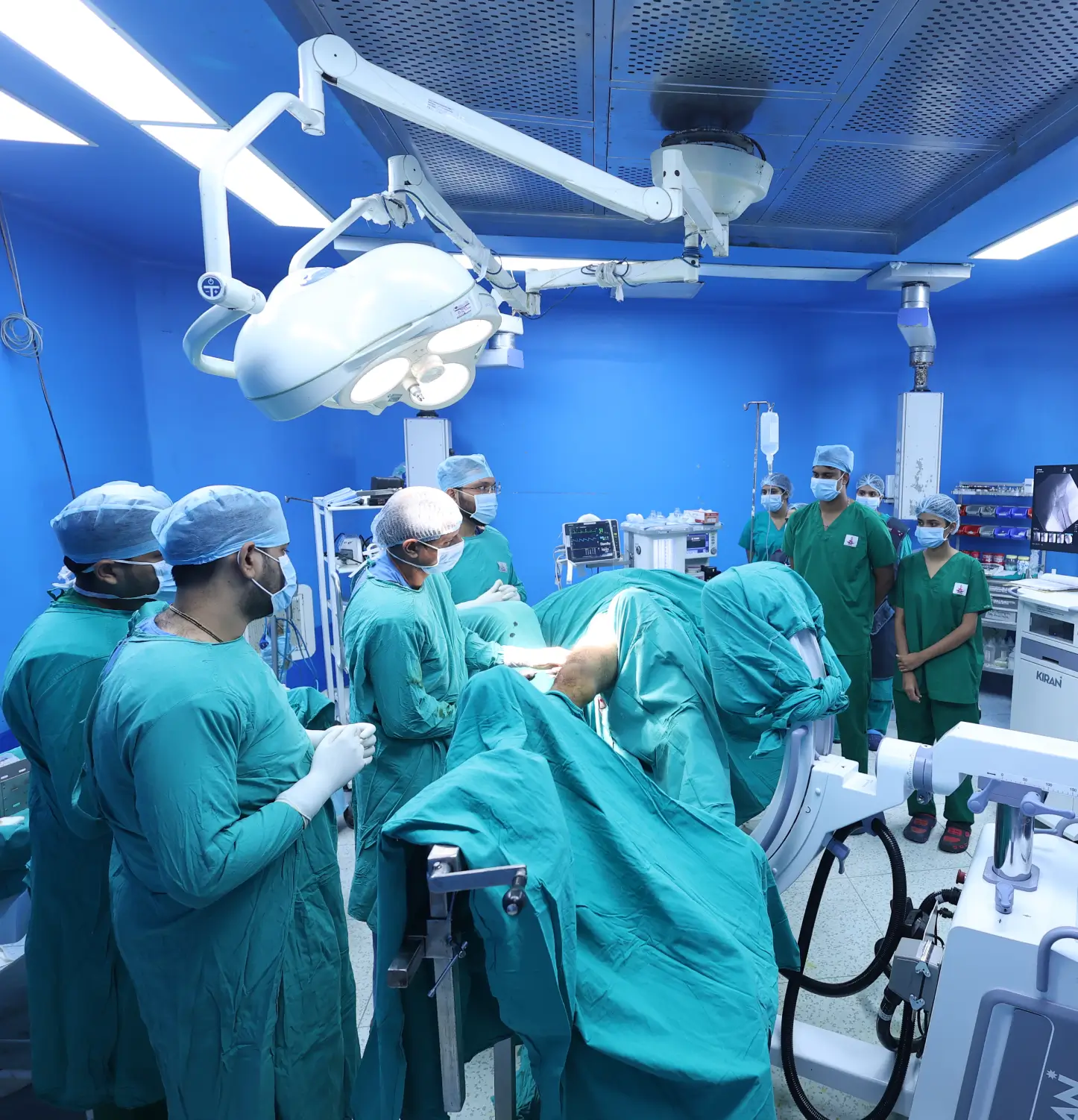
Operation theatre (OT) technology is the backbone of modern surgical practices, requiring precise skills and knowledge. This lab session focuses on familiarizing students with surgical instruments, understanding anesthesia administration, mastering suturing techniques, and correctly handling IV fluids like NS and RL. This hands-on experience prepares students for real-world clinical scenarios and fosters proficiency in OT protocols.
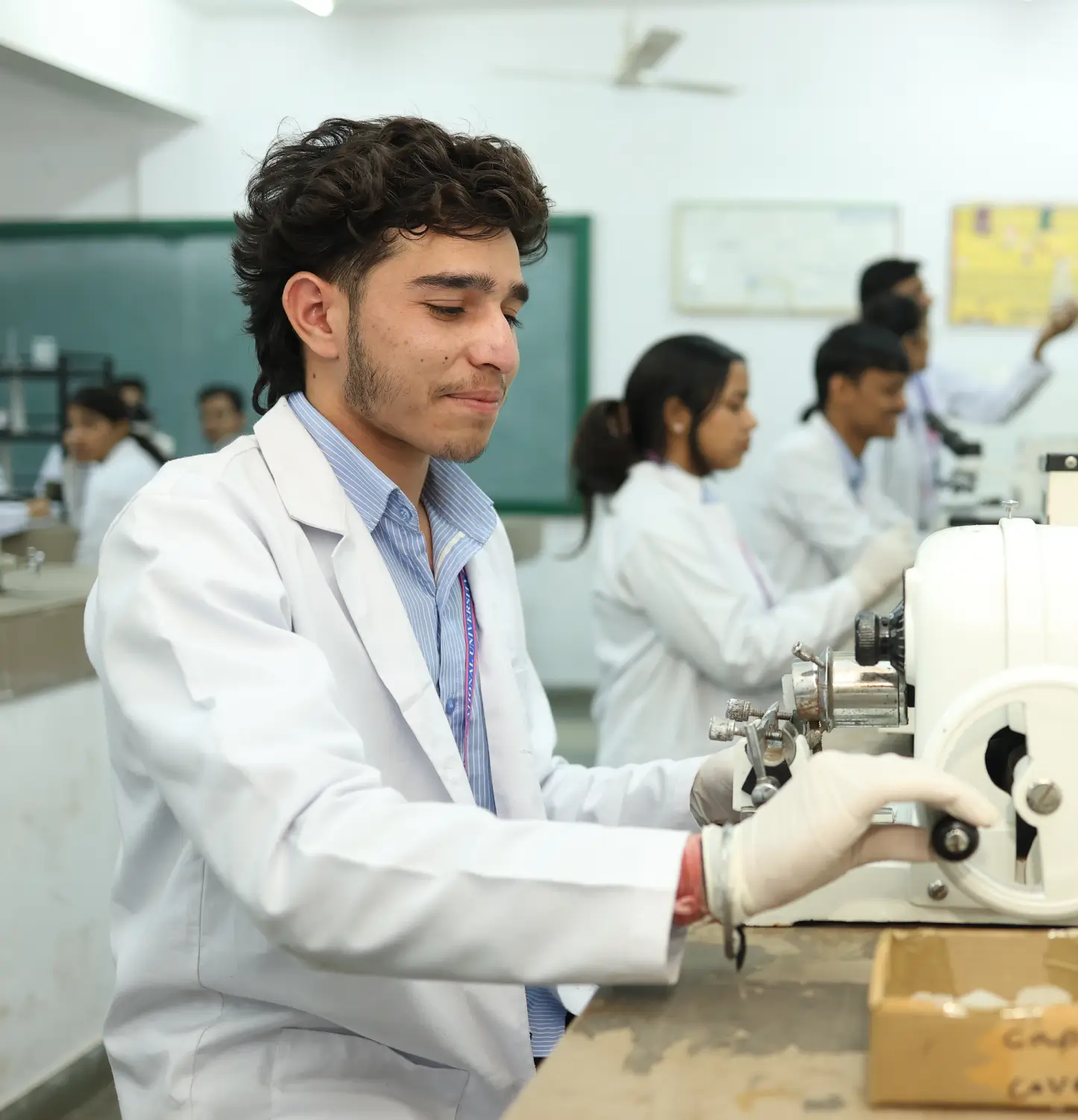
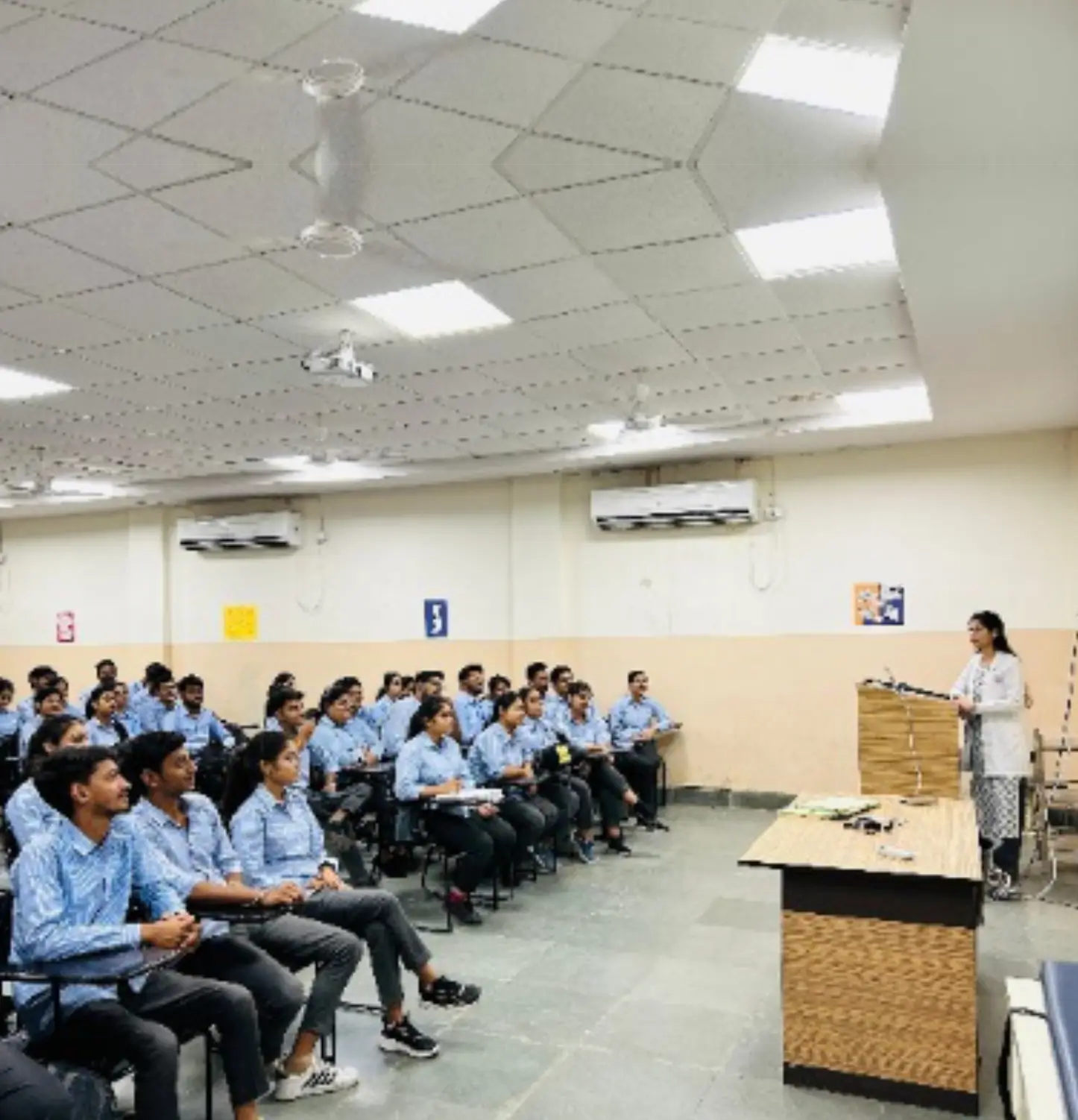
The School of Allied Health Science at Jaipur National University features 8 modern smart classrooms





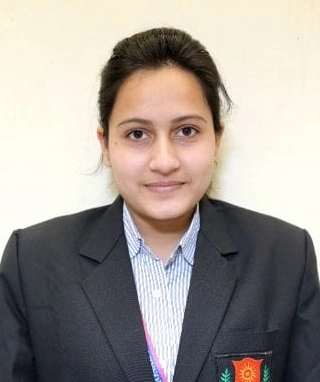





I am proud to be a student of Jaipur National University. The university's diverse range of programs, innovative teaching methods, and emphasis on practical learning have prepared me well for the real-world challenges. I am confident that my education here will open doors to a successful future.

I am proud to be a student of Jaipur National University. The university's diverse range of programs, innovative teaching methods, and emphasis on practical learning have prepared me well for the real-world challenges. I am confident that my education here will open doors to a successful future.


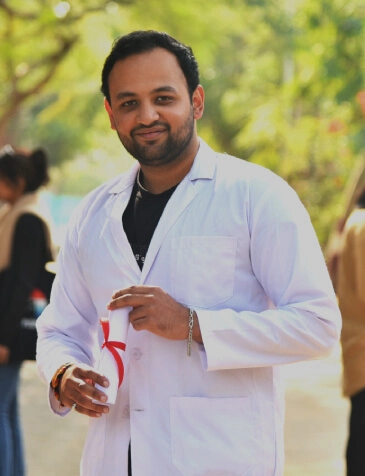
Saurabh Gautam, a proud graduate of Jaipur National University, where I completed my B.Sc. in Medical Imaging Technology. JNU has been an integral part of my personal and professional growth.


I am immensely grateful to Jaipur National University for shaping my career through their B.Sc. OTT program. The university provided a strong academic foundation with a perfect blend of theoretical knowledge and hands-on clinical experience.
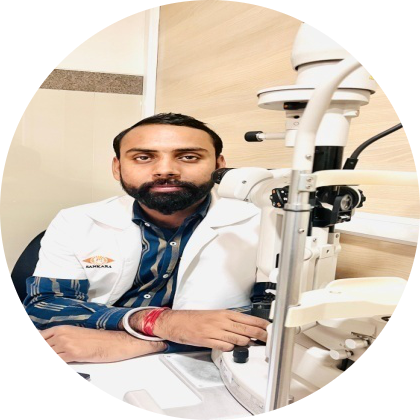

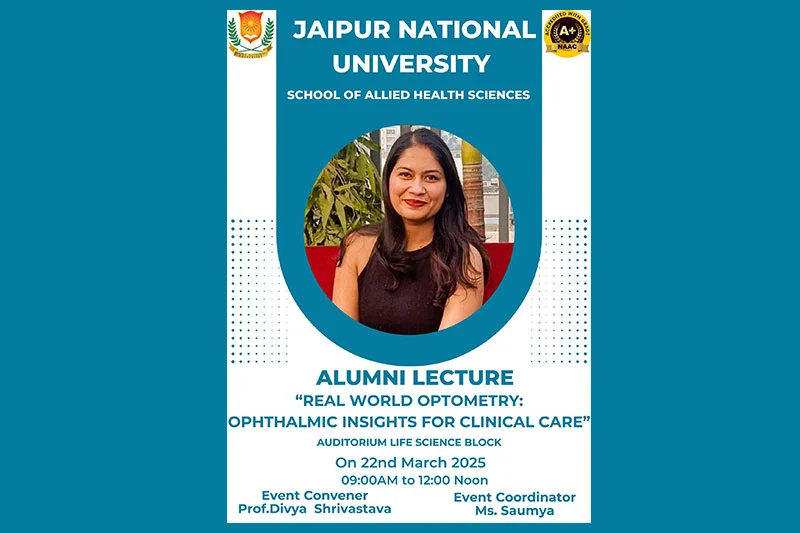
I am an alumnus of JNU, now a skilled consultant Optometrist at Shankara Nethralaya, Jaipur. Strong academic foundation and practical skills make me a valuable asset to the field of eye care.


As a proud alumnus of Jaipur National University, I can confidently say that this course has been pivotal in shaping my career. The in-depth theoretical knowledge with hands-on practical experience, prepared me to understand the complexities of nutrition and dietetics. I highly recommend it to anyone looking to make a meaningful impact in the field of health and nutrition.





The B.Sc. Clinical Dietetics program focuses on the science of nutrition and its application in patient care and medical treatment. It equips students with the knowledge and skills to assess, diagnose, and manage dietary and nutritional needs of individuals, especially those with specific health conditions. The curriculum covers biochemistry, human physiology, food science, and medical nutrition therapy, alongside hands-on training in diet planning, counselling, and clinical assessment. Graduates are prepared to work as clinical dietitians in hospitals, wellness centres, and other healthcare settings, providing specialized nutrition care to improve patients' health outcomes.
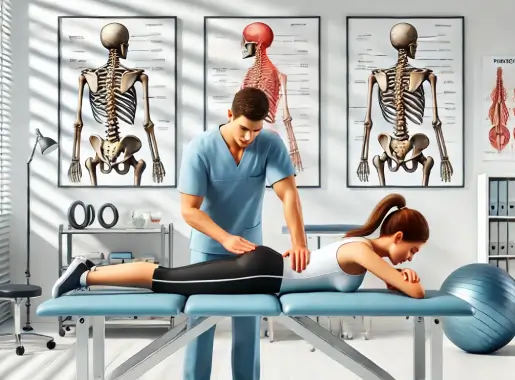
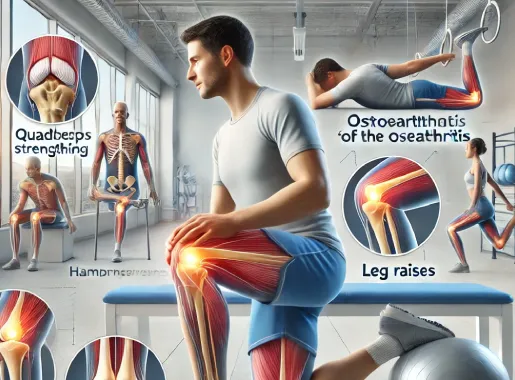
A Bachelor of Physiotherapy (BPT) degree is a comprehensive undergraduate program that equips students with the knowledge and skills required to assess, diagnose, and treat physical impairments, disabilities, and pain through various therapeutic techniques. The program typically spans 4 to 5 years and covers a broad range of subjects, including anatomy, physiology, biochemistry, kinesiology, and pathology, which form the foundation of physiotherapy practice. Students also learn about specialized areas such as musculoskeletal, neurological, cardiopulmonary, and pediatric physiotherapy. The curriculum emphasizes manual therapy, therapeutic exercises, electrotherapy, and rehabilitation techniques. Clinical training is a crucial component, where students gain hands-on experience in hospitals, clinics, and rehabilitation centres.
At the department of physiotherapy, Jaipur National University there is an state-of art infrastructure and all the required facilities are made available to the students like,
As the Department of Physiotherapy is associated with 1100 bedded JNU Hospital so the student get an ample of opportunity to get clinical exposure.
Quality education is imparted by skilled, educated and knowledgeable faculty and department of Physiotherapy has a lot of efficient faculty members with a minimum qualification of Master of Physiotherapy in different speciality. The specialities include Orthopedics, Sports, Cardiology, and Neurology etc. So as to promote all-round development of the student.
Candidates must have passed 10+2 or equivalent examination with Physics, Chemistry, and Biology as mandatory subjects from a recognized board. They should have secured a minimum of 50% aggregate marks (45% for SC/ST candidates). English is a compulsory subject at the 10+2 level
No, allied health programs cannot be pursued through distance learning. These programs require extensive hands-on clinical training, laboratory practice, and direct patient interaction under supervision. The Regulatory Bodies and Universities mandate full-time, in-person attendance to ensure proper skill development and clinical competency for healthcare professionals.
Graduates can work in hospitals, clinics, rehabilitation centres, sports facilities, and research institutes. Career options include nutritionists, physiotherapist, medical lab technologist, radiographer, optometrist, or healthcare administrator etc. They can also pursue private practice, research, academics, or advance to specialized roles through higher education.
Yes, after completing an undergraduate allied health program, you can pursue postgraduate degrees like MPT (Master of Physiotherapy), M.Sc. in various specializations like Clinical Nutrition, Forensic Science, or MBA in Healthcare Management. These advanced degrees offer opportunities for specialization, research, higher positions, and better career prospects in clinical practice, academics, or administration.
Yes, graduates from Jaipur National University can work abroad after completing necessary licensing requirements and examinations specific to the destination country. Many countries like USA, UK, Canada, Australia, and Gulf nations actively recruit allied health professionals.
The age limit for admissions to the Allied Health Science program at Jaipur National University typically varies by specific course. Generally, candidates must be between 17 to 30 years old. However, it is advisable to check the university’s official guidelines or course brochure.
Yes 75% attendance is compulsory for students to qualify their degree program. Regular attendance is generally required at the School of Allied Health Science, Jaipur National University, as it is crucial for practical training and maintaining academic standards.
The classes timings are 9:00 am to 3:30 pm.
The curriculum includes fundamental sciences (Biochemistry, Physiology, Microbiology), core nutrition subjects (Basic Nutrition, Clinical Nutrition, Therapeutic Dietetics), food science courses (Food Chemistry, Food Service Management), and specialized topics like Sports Nutrition and Community Nutrition. Practical training includes hospital internships and diet counseling sessions. . The curriculum is designed to provide both theoretical knowledge and practical skills in clinical dietetics. Discipline specific and open electives are also offered in this programme to make student learn the subject of their interest and choice.
Graduates can work as clinical dietitians in hospitals, sports nutritionists in fitness centers, research dietitians in pharmaceutical companies, or food service managers in healthcare facilities. They can also pursue private practice as nutrition consultants, join wellness centers, or work in corporate settings designing employee wellness programs. Additionally, opportunities exist in food industry, public health departments, and academic institutions. Demand for clinical dietitians is generally strong, especially with rising awareness of the role of diet in managing chronic diseases.
Yes, practical training is a core component of the program. Students engage in laboratory sessions, case studies, and internships at parental hospitals to gain real-world experience in clinical settings. Students work in various hospital departments, gaining hands-on experience in therapeutic diet planning, patient counseling, and clinical nutrition management.
The student after the completion of B.Sc Clinical Dietetics can pursue M.Sc in Clinical Nutrition, Food Science, Sports Nutrition, or Public Health Nutrition. Advanced specializations through Post Graduate Diplomas in Diabetes Education, Sports Nutrition, or Clinical Research are available. PhD programs for research-oriented careers are also an option.
Professional certifications like Registered Dietitian Nutritionist (RDN), Certified Nutrition Specialist (CNS), or specialized certifications in diabetes education, sports nutrition, or pediatric nutrition can enhance career prospects. These certifications require additional examination and practical experience after graduation.
Students develop expertise in nutritional assessment, diet planning, patient counseling, and medical nutrition therapy. The program builds analytical skills for interpreting medical reports, communication skills for patient interaction, and technical skills for using nutrition software. Research methodology and scientific writing are also emphasized.
Yes, many countries recognize Clinical Dietetics qualifications. However, additional certification or licensing exams might be required. Countries like USA, UK, Canada, and Australia offer good opportunities but require passing their respective dietetic board examinations. Gulf countries also have growing demand for clinical dietitians.
Copyright © 2026 Jaipur National University. All Rights Reserved.
Website Design and Development by Sterco Digitex