Admission HelpDesk


 Admission HelpDesk


 1800-102-1900
  admissions@jnujaipur.ac.in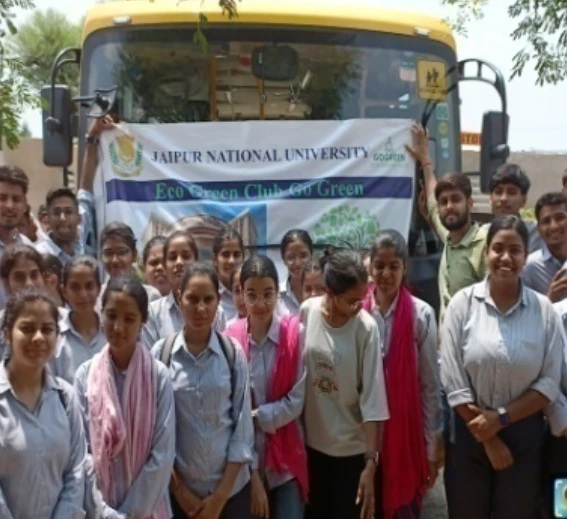




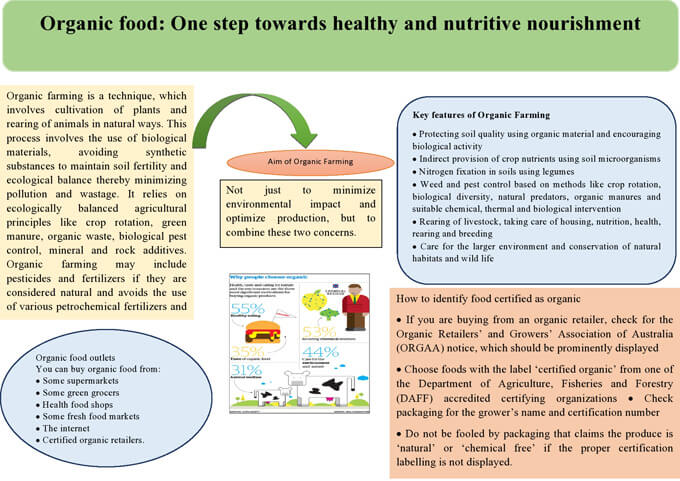
At JNU, Jaipur, my B.Sc. (Hons.) Agriculture journey has been an eye-opening experience
Mr. Yash Gautam
B.Sc. (Hons.) Agriculture



Jaipur National University, Jaipur is one of the top self-financed private university in Rajasthan sponsored by the Mahima Shiksha Samiti.

If you have an innovative idea, we can show you the way ahead. Be an entrepreneur with the perfect..
Social responsibility takes many forms - from providing affordable/free healthcare...
Their focus is to develop both education and critical skills to help our students excel in life.






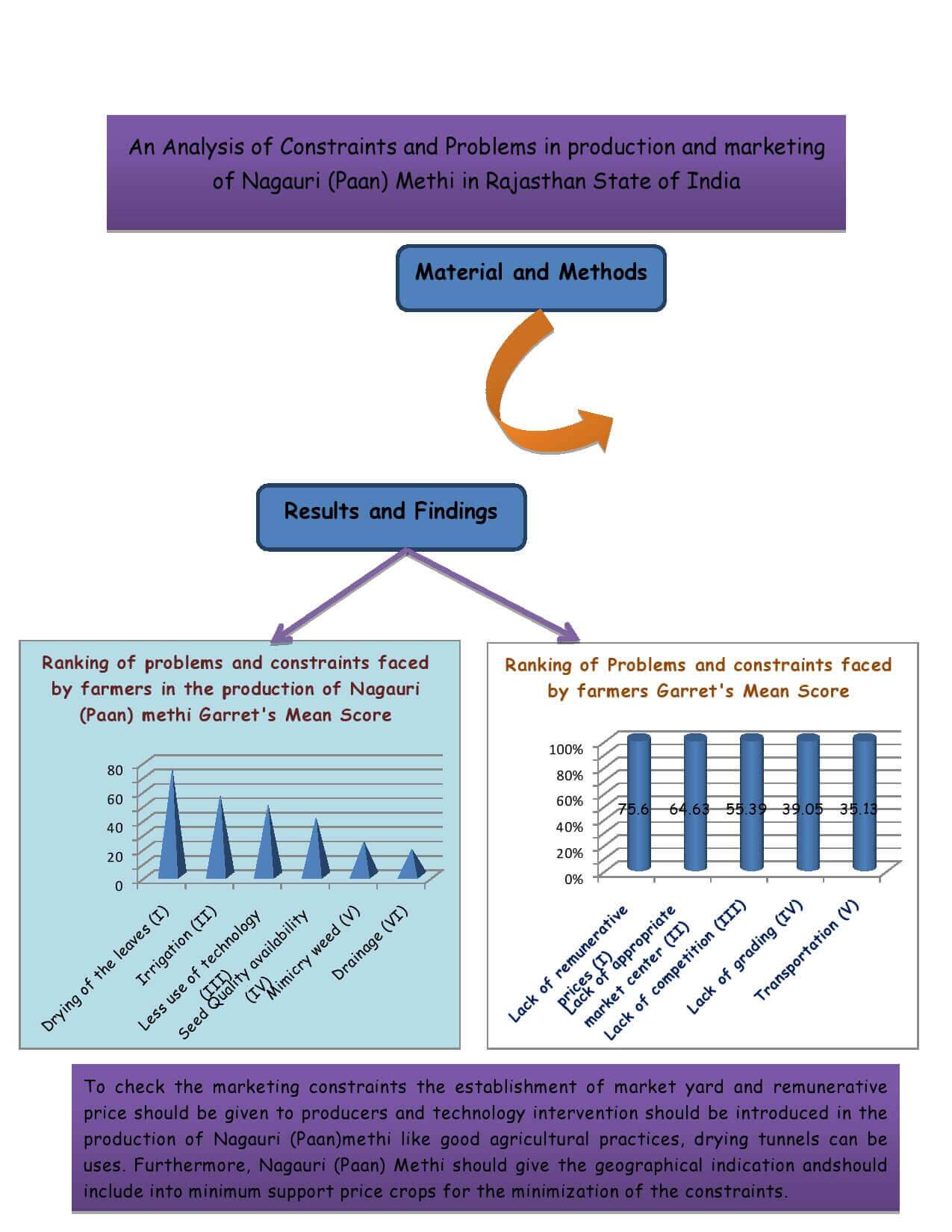
The School is one of the top Agriculture colleges in Rajasthan with Accreditation from the Indian Council of Agricultural Research, New Delhi. The School plays a key role in addressing global challenges such as population growth, climate change, food security, and the transition to more sustainable agricultural systems.
The course provides the hands-on-training experience by imparting Rural Agricultural Work Experience and Industrial training. The School is equipped with smart classes, modern laboratories, a library, and sprawling agriculture & Horticulture farms, which allow the students to develop their knowledge and skills.



Sandalwood
Cultivation

Crop
Cafeteria

Experiential
Learning

Polyhouse

Core theoretical knowledge in agriculture and allied branches is delivered through classroom lectures covering fundamentals and advanced topics in agriculture using multimedia tools (presentations, videos)

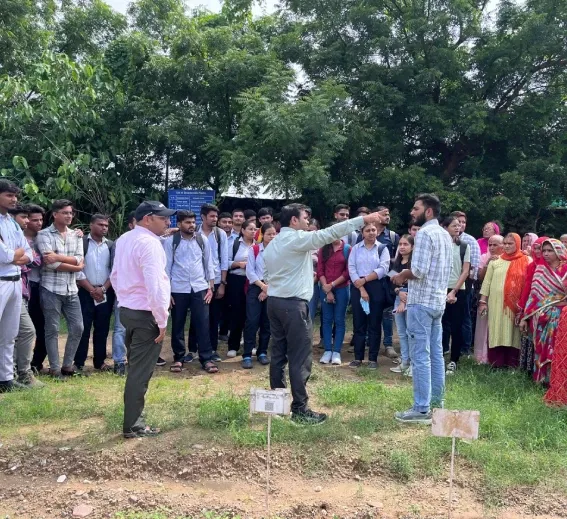
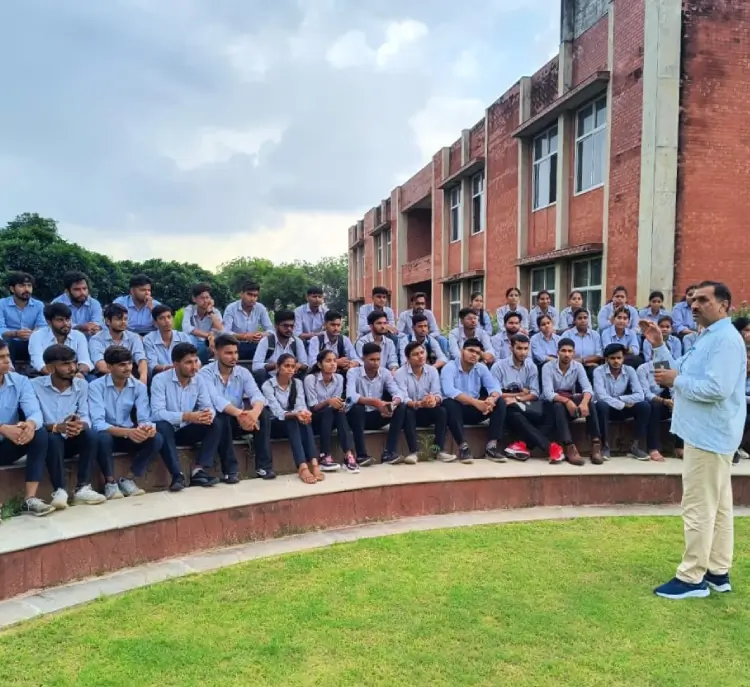
Frequent farm visits, agricultural research centers, and agribusiness Institutes to witness real-world applications of their studies

Students undertake research projects, either independently or as part of a team, in various domains of agriculture, identify specific agricultural problems and work on solutions through research and innovation.

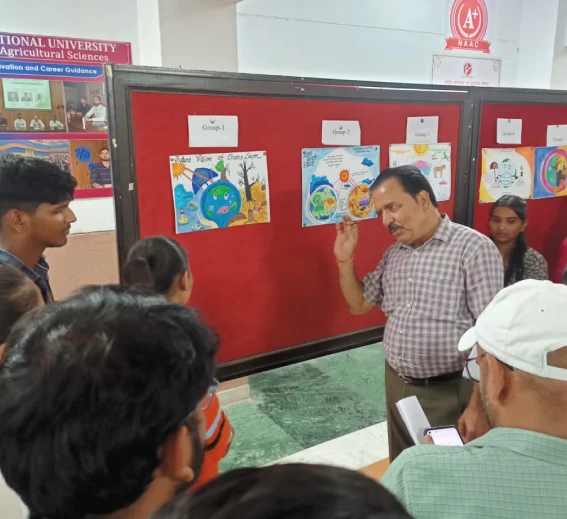
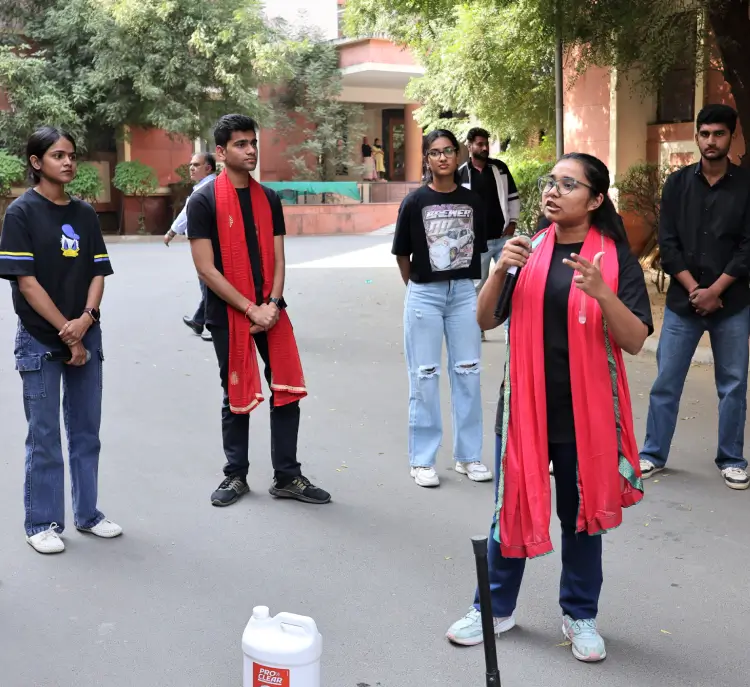
Regular workshops and seminars are conducted by experts from the agricultural sector to update students on the latest advancements and challenges in agriculture.

Use of real-life agricultural case studies to encourage critical thinking and problem-solving ability of the students.
Renowned teaching Faculty
Programmes to choose from
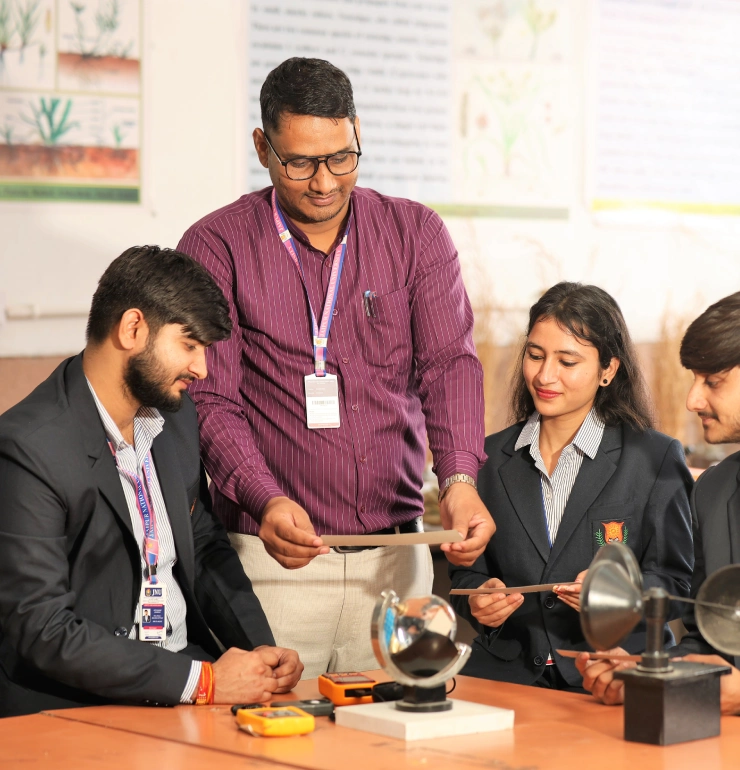
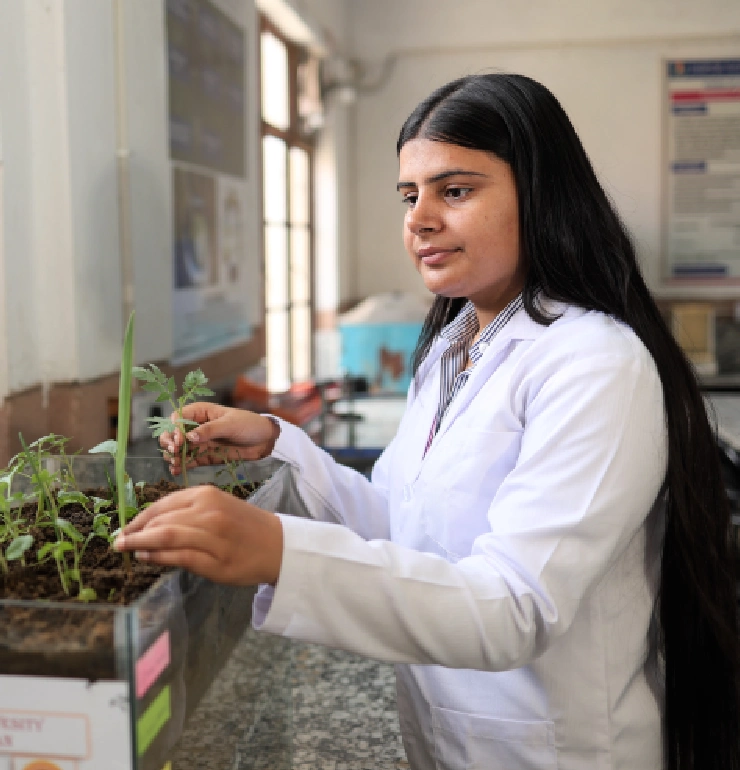
The school has well equipped laboratories to conduct experiments that lead to the development of new farming techniques, crop varieties, and pest control methods.
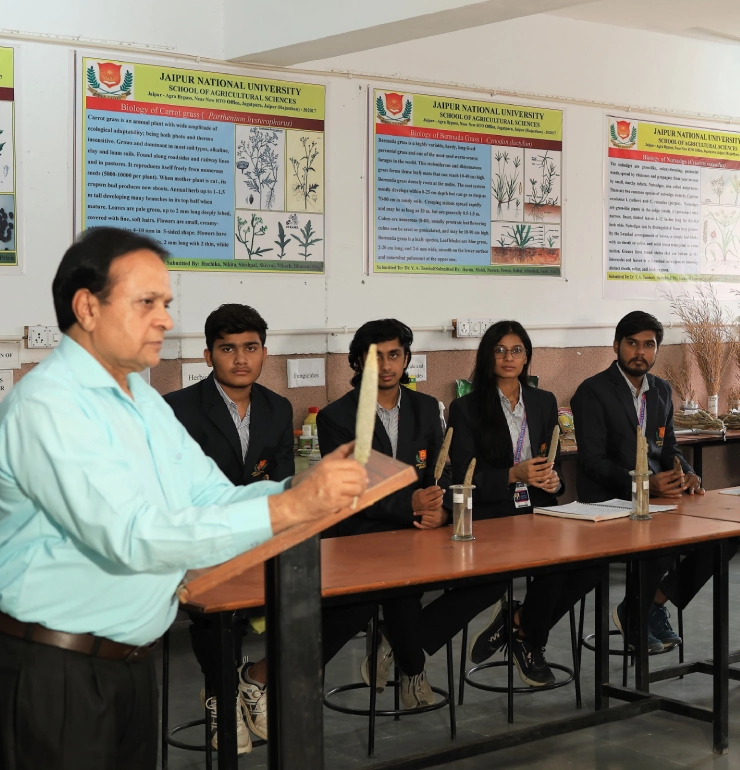
The Agronomy Lab in an agricultural university plays a critical role in providing students with the practical, hands-on experience necessary to understand and solve complex challenges in crop production, soil management, and sustainable farming practices

The entomology lab provides students with the opportunity to study the life cycles and behaviours of insects through hands-on observation. By observing how insects interact with their environment, students can learn how certain insects select hosts, mate, feed, and migrate, which is essential for effective pest management.
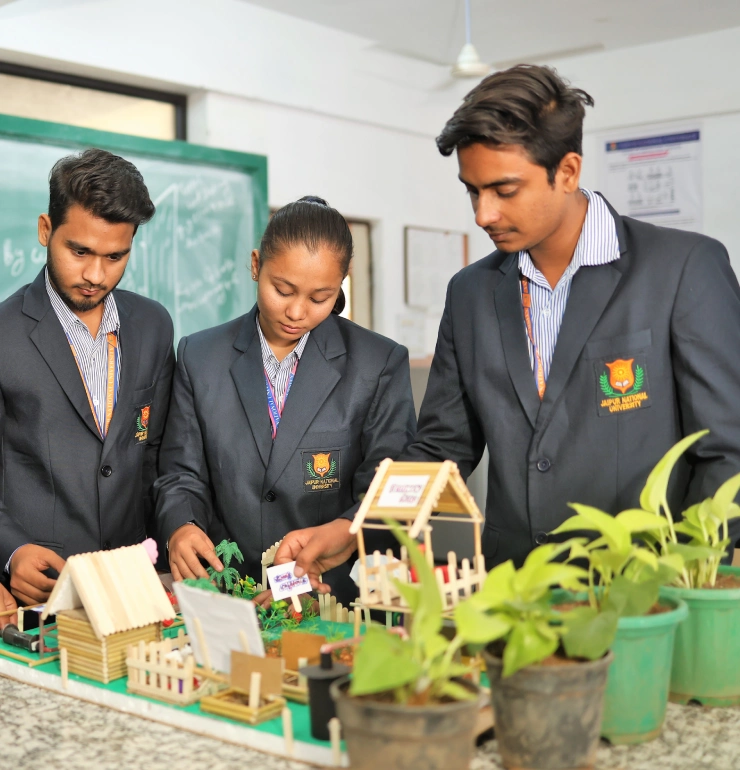
Horticultural labs in agricultural universities are fundamental in providing both theoretical knowledge and practical experience for students studying the science and management of plant cultivation, including fruits, vegetables, flowers, and ornamental plants
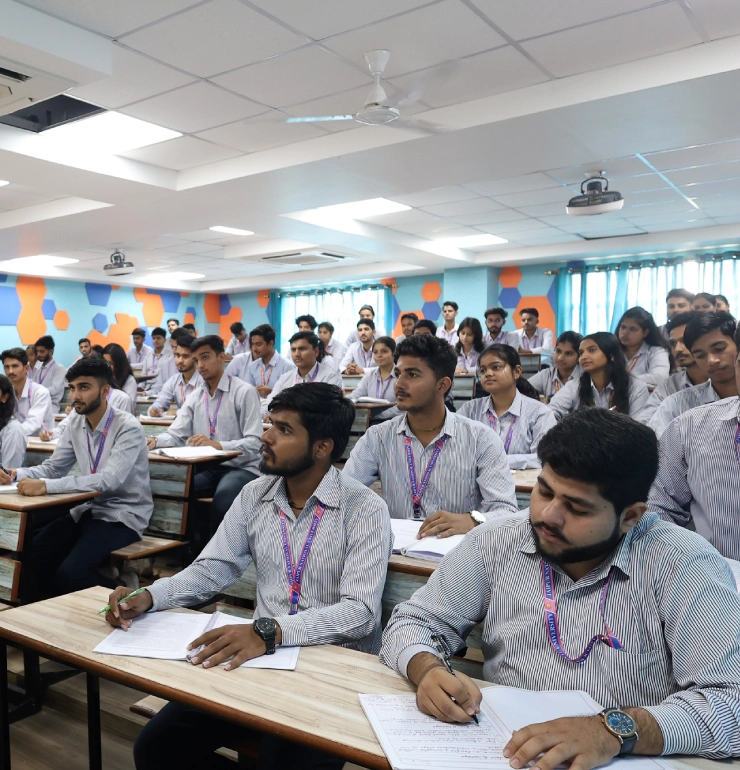
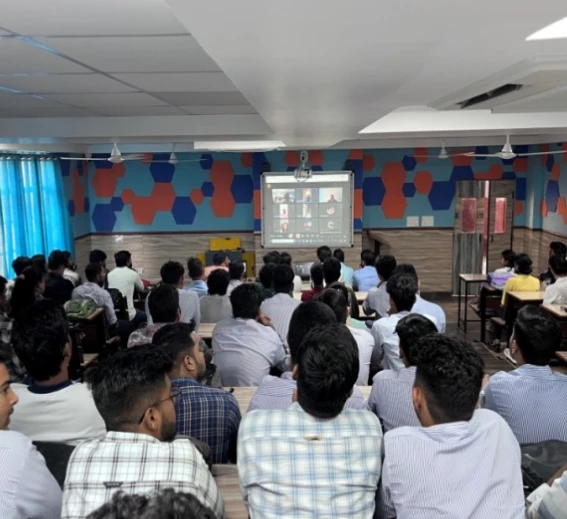
The school is equipped with smart classrooms in enhancing the educational experience, improving teaching methods, and preparing students for the increasingly digital and technology-driven agricultural sector.
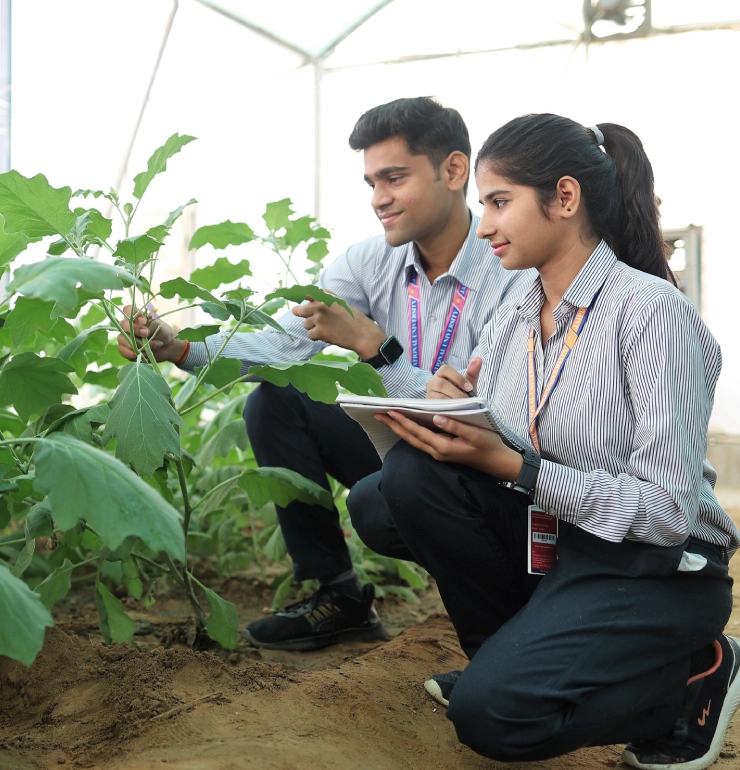
The school has well equipped polyhouse which serves as an essential resource for practical education, research, and innovation in the field of agriculture and horticulture. Students can learn how to manage temperature, humidity, light, CO2 levels, and ventilation to optimize plant growth, which is especially important for high-value crops like tomatoes, cucumbers, and flowers.

























Studying at Jaipur National University has been a transformative journey that prepared me for one of the biggest milestones of my career—getting selected at IARI, New Delhi. From day one, JNU provided me with a learning environment that emphasized both theoretical knowledge and practical skills in agricultural sciences.

One of the greatest advantages of studying at JNU, Jaipur, was the network of like-minded individuals and the exposure to opportunities that extended beyond the classroom.

At JNU, Jaipur, I was encouraged to think critically and challenge conventional ideas. It was an environment that promoted self-learning and pushed me to question the status quo.

My experience at JNU, Jaipur, has been instrumental in shaping my academic journey and guiding me towards my passion for Agronomy. The rigorous coursework and the supportive learning environment at JNU helped me build a solid foundation in agricultural sciences.



Admission is based on Joint Entrance Test and CUET
The School of Agricultural Sciences has Accreditation from the Indian Council of Agricultural Research, New Delhi since 2022.
The faculty consists of experienced professionals from reputed Universities with Ph.D. qualifications in various disciplines of agricultural sciences.
Yes, Jaipur National University offers scholarships based on merit (Class 12), UG to PG Scholarship.
Graduates can pursue careers as Agricultural Officers, Agronomists, Soil Scientists, Plant Breeders, or work in agricultural research, ITC Agri-bussiness Limited, food production, banking sectors and the agro-industry. Many also opt for higher studies or government jobs through competitive exams like ICAR.
The School offers well-equipped laboratories, experimental farms, Green house, Crop Cafeteria’s. Students also have access to library resources with a vast collection of agricultural research material.
The School of Agricultural Sciences has collaborations with agricultural research institutes, government agencies, and industry partners, providing students opportunities for internships, fieldwork, and research collaboration.
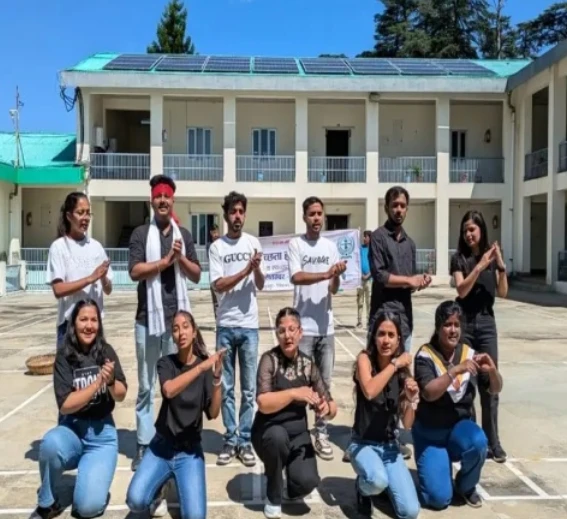
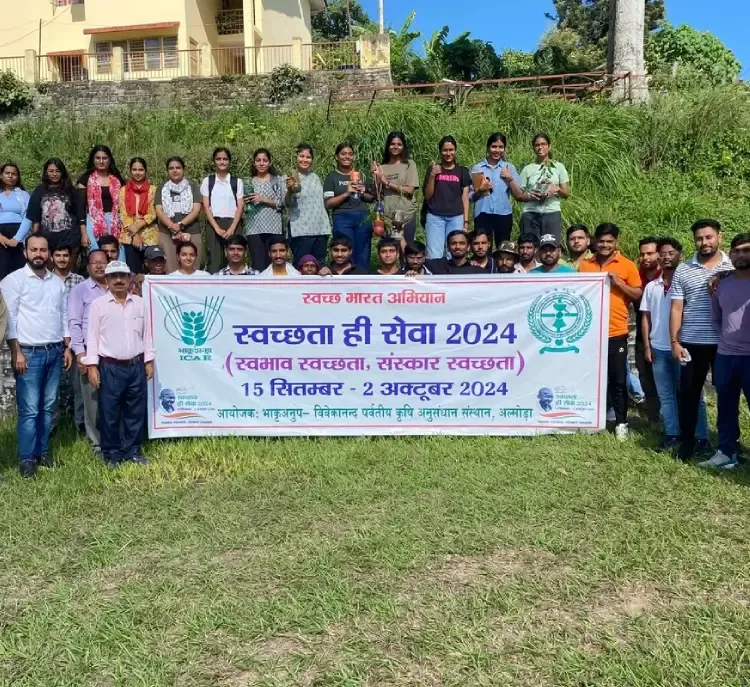
The school organizes various extracurricular activities, including agricultural field trips, workshops, seminars, and plantation drive under school Go Green Club activity.
Copyright © 2026 Jaipur National University. All Rights Reserved.
Website Design and Development by Sterco Digitex