


- About Us
About the University
Jaipur National University, Jaipur is one of the top self-financed private university in Rajasthan sponsored by the Mahima Shiksha Samiti.

Innovation and Incubation
If you have an innovative idea, we can show you the way ahead. Be an entrepreneur with the perfect..
Social Impact/CSR
Social responsibility takes many forms - from providing affordable/free healthcare...
Why JNU?
Their focus is to develop both education and critical skills to help our students excel in life.
- Admissions
- Academics
Schools
- School of Engineering & Technology
- School of Business & Management
- School of Computer & Systems Sciences
- School of Education
- School of Languages, Literature and Society
- School of Life & Basic Sciences
- School of Pharmaceutical Sciences
- School of Media Studies
- School of Fashion Design
- Seedling School of Law and Governance
- Seedling School of Nursing
- Seedling School of Allied and Healthcare Sciences
- School of Agricultural Sciences
- School of Hotel Management & Catering Technology
- Jaipur National University Institute for Medical Sciences and Research Centre
- Research
- Campus Life
Enriching the Intellect

Inspire Your Essence
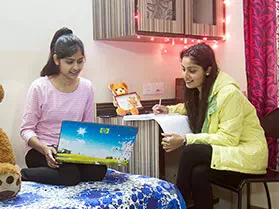
Outside the classroom

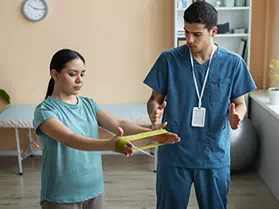
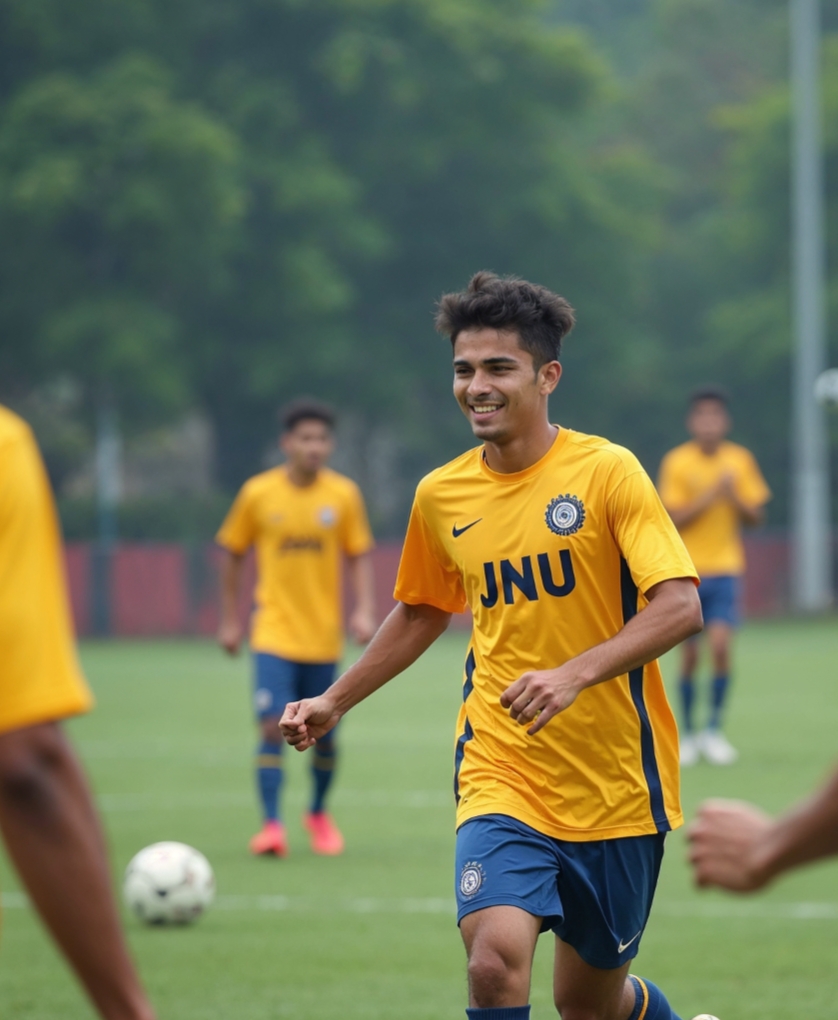
Adapt to Physical Wellness
-

 Admission HelpDesk



-
Duration
2 Years
-
Eligibility
Graduation in any Discipline
with min.50%
-
Selection Procedure
Merit + PI
Program Outcomes
Advanced Reporting Skills
Proficient in various forms of journalistic writing.
Critical Thinking and Analysis
Develop the ability to critically evaluate media content, understand media theories and analyze media effects on society and culture.
Media Ethics and Law
Understanding of media ethics, and knowledge of media law and regulations.
Media Production and Technology
Proficiency in using various media production tools and technologies.
Research Skills
Ability to conduct scholarly research in the field of journalism and mass communication, and critical interpretation of research findings.
Media Management and Entrepreneurship
Understanding of media business models, audience engagement strategies, and entrepreneurship in journalism.
Global and Cultural Awareness
Knowledge of global media systems, cross-cultural communication and the role of journalism in shaping cultural identities and promoting intercultural understanding.
Media Literacy and Audience Engagement
Ability to engage with diverse audiences across various media platforms.
Professional Development
Skills in networking, job searching, and career planning within the journalism and mass communication industry.
Data Journalism Skills
Apply skills in using data analysis tools and techniques to uncover and report stories based on data-driven evidence.
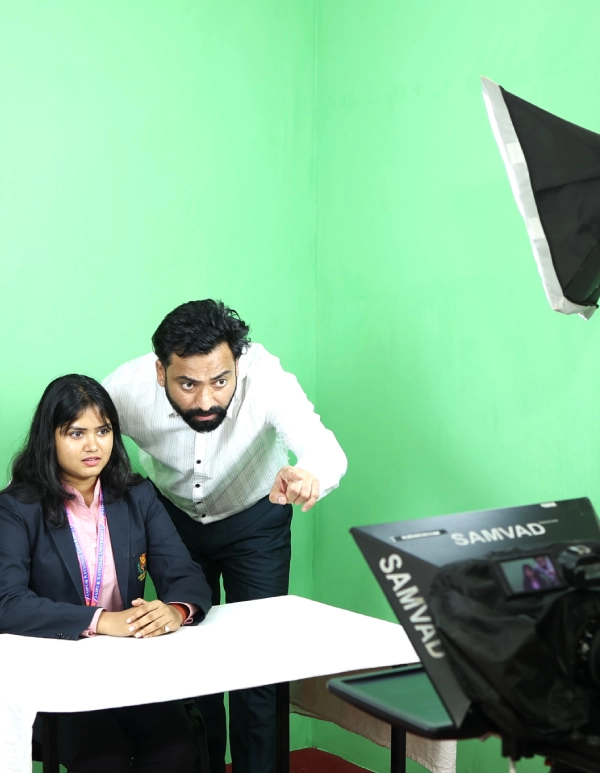
Career Paths

Media Consultant

Digital Marketing Specialist

Television Producer

Investigative Journalist

Advertising Copywriter

Communications Director

Scriptwriter

Corporate Trainer in Communication

Brand Strategist

Film Critic
Curriculum
| Course Category | Course Title | Credits |
|---|---|---|
| Core | Introduction to Mass Communication | 3 |
| Core | Print Media - Reporting & Writing | 3 |
| Core | Advanced Photography | 3 |
| Core | Computer Applications | 3 |
| Discipline | Media, Culture & Society/ History of Media | 2 |
| Ability Enhancement | Understanding of New Media | 2 |
| Skill Enhancement | Computer Applications Lab | 2 |
| Value Added Course | Citizen Journalism | 2 |
| Course Category | Course Title | Credits |
|---|---|---|
| Core | Specialized Reporting & Editing | 3 |
| Core | Media Ethics & Laws | 3 |
| Core | Radio Production | 3 |
| Core | Public Relation & Event Management | 3 |
| Discipline | Online Journalism / Sports Journalism | 4 |
| Ability Enhancement | Creative Writing for Media | 2 |
| Skill Enhancement | Radio Production Lab | 2 |
| Value Added Course | Health Journalism | 2 |
| Open General Elective | Videography | 2 |
| Course Category | Course Title | Credits |
|---|---|---|
| Core | Development Communication | 3 |
| Core | Digital & Web Media | 3 |
| Core | Advanced Research | 3 |
| Core | TV Production | 2 |
| Core | TV Production Lab | 2 |
| Discipline | Script Writing for film / Report Writing for Research | 4 |
| Ability Enhancement | Folk Media | 2 |
| Skill Enhancement | Digital & Web Media Lab | 2 |
| Open General Elective | Script writing for film | 2 |
| Course Category | Course Title | Credits |
|---|---|---|
| Core | Video Production Lab | 4 |
| Core | Dissertation | 8 |
| Core | Internship | 10 |
Tuition Fee
₹86100
Note
*Lab & Library fee will be charged separately
#Program Proposed from Session 2026-27

Apply for admissions at Jaipur National University
APPLY ONLINE 1800-102-1900
  admissions@jnujaipur.ac.in
 Internship Opportunities






Engage, Connect and Experience
the vibrant Life at JNU
Acres Green
Campus
State-of-the-Art
Labs
Smart
Classrooms
Signature Annual
Events
Student
Clubs

Enriching the
Intellect


Inspire Your
Essence

Frequently Asked Questions
The MAJMC (Master of Arts in Journalism and Mass Communication) program is a two-year postgraduate course that delves deeper into journalism, digital media, public relations, advertising, and corporate communication.
Applicants should have a bachelor's degree from a recognized institution, preferably in Journalism, Mass Communication, or a related field. However, many programs accept students from any discipline.
Graduates can pursue careers in journalism, digital media, public relations, advertising, corporate communication, content creation, radio, television, and academia. MAJMC graduates can also work in managerial roles in media organizations.
The program helps you develop advanced skills in reporting, editing, media ethics, digital media production, research, and strategic communication. It also enhances leadership, critical thinking, and storytelling abilities.
Yes, practical training is a significant component of the MAJMC program. Students work on media projects, undertake internships, and use professional media tools and software to gain hands-on experience.
Core subjects include Advanced Journalism, Media Law and Ethics, Digital Media, Advertising and Public Relations, Media Research, Television Production, Film Studies, and Development Communication.
Yes, internships are typically required as part of the curriculum to provide students with real-world media experience and networking opportunities.
The MAJMC program has a strong focus on digital media, covering topics like social media, digital storytelling, content marketing, and multimedia production, preparing students for the evolving media landscape.
TMAJMC students usually have access to media labs, editing software, AV equipment, recording studios, and facilities for digital media production and broadcasting.
Yes, after completing MAJMC, you can pursue a PhD in Journalism, Media Studies, or Mass Communication if you wish to move into academia or research.
While BAJMC provides foundational knowledge, MAJMC offers in-depth expertise and advanced skills. MAJMC graduates are also more prepared for senior roles and leadership positions in the media industry.
There are ample opportunities in digital media, news channels, PR agencies, advertising firms, corporate communication departments, and educational institutions for MAJMC graduates.
Yes, the curriculum often includes discussions on emerging trends, such as digital media innovation, social media influence, multimedia storytelling, and media ethics in the digital age.


Copyright © 2026 Jaipur National University. All Rights Reserved.
Website Design and Development by Sterco Digitex


Browse by School
- School of Engineering & Technology
- School of Business & Management
- School of Computer & Systems Sciences
- School of Education
- School of Languages, Literature and Society
- School of Life & Basic Sciences
- School of Pharmaceutical Sciences
- School of Media Studies
- School of Fashion Design
- Seedling School of Law and Governance
- Seedling School of Nursing
- Seedling School of Allied and Healthcare Sciences
- School of Agricultural Sciences
- School of Hotel Management & Catering Technology
- Jaipur National University Institute for Medical Sciences and Research Centre