
Superfoods for New India: The Art Behind Food as Medicine
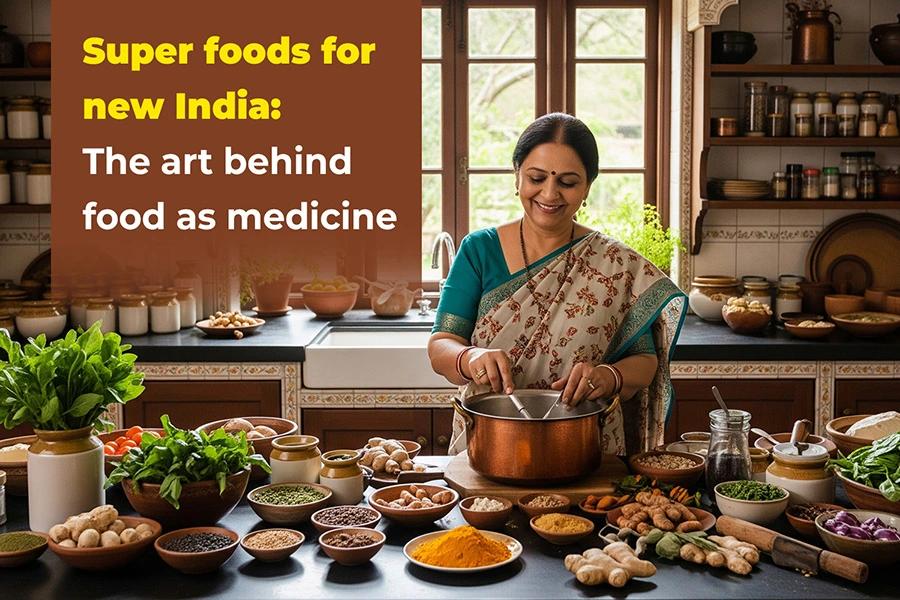
Nutrition has never been more important in fostering wellness in a time when lifestyle disorders are on the rise and health consciousness is growing. Superfoods are becoming recognized as natural health powerhouses for a nation like India, which is going through a dietary shift. By reorienting the focus from medications to natural nourishment, these nutrient-dense foods have the potential to revolutionize public health. Superfoods promote a preventive, food-based approach to wellbeing as an alternative to only depending on pharmaceuticals. This blog explores the growing significance of superfoods and how, in a healthier, more independent New India, they embody the timeless wisdom of mindful eating as a means of healing the body.
Scientific: Superfoods Backed by Evidence
Superfoods are nutrient-dense foods with substantial health advantages that have been demonstrated by science, so they are more than simply a fad. Turmeric, berries, moringa, and millets are examples of superfoods that are high in antioxidants, vitamins, minerals, and bioactive substances like flavonoids and anthocyanins. These foods also counteract oxidative stress, lower inflammation, and regulate metabolic processes. The knowledge of their metabolic processes emphasizes how they support longevity and disease resistance. According to research, up to 80% of chronic diseases can be avoided with diets high in fruits, vegetables, whole grains, and legumes (World Health Organization, 2020). Omega-3 fatty acids lower cardiovascular risk, dietary fibers aid in blood sugar and cholesterol regulation, and polyphenols found in plant-based diets combat free radicals. Superfoods are frequently used as both dietary staples and components of medical systems in India, where Ayurveda has a strong hold. For instance, turmeric milk (haldi doodh) is today known as "golden milk" around the world due to its therapeutic qualities.
Health Promotion: A Natural Shield Against Lifestyle Diseases
Superfoods have made significant contributions to health promotion and illness prevention. Adding superfoods to regular meals is an easy yet effective way to reduce the rising rates of metabolic syndrome, heart disease, and autoimmune disorders in India. In addition to boosting immunity, foods like garlic, tulsi, amla, and flaxseeds also help control blood sugar and lipid profiles, promoting general wellness. As the first line of defense against illness, they promote the belief that prevention is preferable to cure.
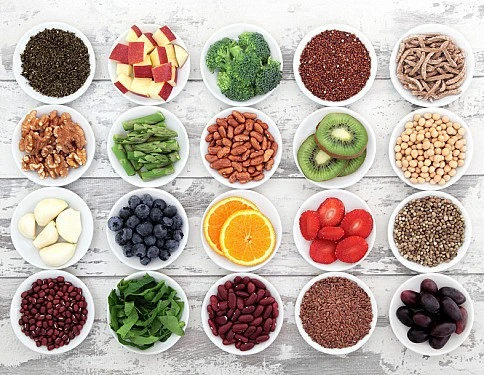
Fig:1 Superfoods boost a healthy Diet (Smith, J. (2023)
Customized Dietary Plan: Personalized Power from Plants
Superfoods are a useful addition to customized diet patterns for various demographic groups. Superfoods are customizable to meet specific demands, whether it's boosting an athlete's strength with quinoa and chia seeds, controlling gestational nutrition with almonds and dates, or promoting senior wellbeing with omega-rich walnuts and spinach. Utilizing the special potential of plants to suit your own dietary requirements, lifestyle choices, and medical concerns is possible with a personalized plant-based diet plan. In order to create diets that heal, invigorate, and protect, one must first understand the body's specific nutritional needs. Personalized plant-powered nutrition is about eating wisely, whatever you see fit, not just about eating healthily.
Clinical Expertise: Integrating Superfoods in Medical Nutrition Therapy
Superfoods are increasingly being used in therapeutic settings in contemporary nutritional practices. Superfoods, which include nutrient-dense foods including leafy greens, berries, nuts, seeds, and fatty fish, are becoming more and more acknowledged as effective medical nutrition therapy (MNT) techniques. In an effort to promote healing and improve patient outcomes, medical practitioners are increasingly recommending therapeutic diets enhanced with superfoods. For instance, suggesting high-antioxidant berries to cancer patients receiving treatment or incorporating turmeric into anti-inflammatory meals. Growing research supports these foods' clinical value, bringing traditional knowledge into line with modern medical norms.
Global Relevance: Local Roots, Global Impact
Superfoods, which have their origins in regional customs and traditional farming, are currently gaining international recognition due to their remarkable nutritional content and health advantages. From South America’s quinoa and chia seeds to India's ancient turmeric and moringa, these formerly local mainstays have transcended national boundaries to become global representations of health. Their globalization emphasizes the value of maintaining traditional farming methods and regional biodiversity in addition to the universal need for natural, nutrient-dense meals. Superfoods remind consumers of the profound cultural and ecological foundations from which true sustenance emerges while providing farmers with economic prospects as they become more popular in global marketplaces.
Superfood Consumption
It is estimated that the worldwide superfoods market would expand at a compound annual growth rate (CAGR) of 4.4% between 2025 and 2033. This increase is mostly due to consumers' growing desire for healthier food options, such as superfoods like quinoa and chia seeds. It is projected that the global chia seed market will nearly double in size between 2022 and 2033. The global quinoa industry is expected to more than quadruple in value over the next few years, reaching over $152 billion by 2026. The Indian superfoods market is expected to increase at a compound annual growth rate (CAGR) of 8.7% between 2025 and 2033. A vast array of goods are sold in India's superfood market; superfood powders brought in $211.2 million in 2021 and are expected to grow to $414.5 million by 2030.
Conclusion: Building a Healthier India Through Food Wisdom
Superfoods are not only a trend in diets. They signify a return to traditional Indian wisdom, which has long considered food to be a healing force. In New India, where health issues are both contemporary and intricate, adopting superfoods provides a safe, economical, and efficient means of regaining health. By incorporating them into regular diets, people can take control of their health, change lives, and lessen the strain on healthcare systems.
We go closer to a stronger, healthier, and more resilient India by promoting superfoods and the idea that food may be used as medicine. The basic idea is the same whether using contemporary smoothie bowls or traditional thalis: feed the body, heal with nature, and flourish with the power of food.
References
- Gornas, P., and Siger, A. (2020). Nutritional and bioactive properties of superfoods: A review. Food Reviews International, 36(8), 748–764.
- Jaiswal, V., Ishak, A., Bhandari, D., Sherif, A., and Abdelaal, A. (2022). The preventive role of functional foods and superfoods in non-communicable diseases: An overview. Journal of Functional Foods, 93, 105094.
- Smith, J. (2023). Assorted healthy superfoods in white bowls. Shutterstock. https://www.shutterstock.com/image-photo/assorted-healthy-superfoods
- Rao, S., and Srinivasan, K. (2021). Traditional Indian functional foods as natural immunomodulators and therapeutic agents: Scientific validation and future perspectives. Journal of Ethnic Foods, 8(1), 13.
Dr. Jyoti Rani
Assistant Professor
 Back
BackRecent Post
- How to Find the Best Universities in Uttar Pradesh?
- Why Digital Marketing Is One of the Most Future-Ready MBA Specializations
- How to build the best CAT preparation strategy
- The Role of Nurses in Societal Stratification: Medicine for Life
- BBA Full Form Explained: Is This The Right Degree For You?
- BCA Full Form, Subjects, and Career Pay
- The JEE Exam Has More To It Than Just Tough Questions
- Everything About NID, The National Institute Of Design
- My First Clinical Experience: Reflection on Mistakes, Learning & Developing Competence
- From Textbooks to Heartbeats: What Students Should Not Experience
Categories
Archives
Contact Form


Copyright © 2026 Jaipur National University. All Rights Reserved.
Website Design and Development by Sterco Digitex


Browse by School
- School of Engineering & Technology
- School of Business & Management
- School of Computer & Systems Sciences
- School of Education
- School of Languages, Literature and Society
- School of Life & Basic Sciences
- School of Pharmaceutical Sciences
- School of Media Studies
- School of Fashion Design
- Seedling School of Law and Governance
- Seedling School of Nursing
- Seedling School of Allied and Healthcare Sciences
- School of Agricultural Sciences
- School of Hotel Management & Catering Technology
- Jaipur National University Institute for Medical Sciences and Research Centre