
Key Trends Transforming Legal Education in Jaipur’s Private Colleges
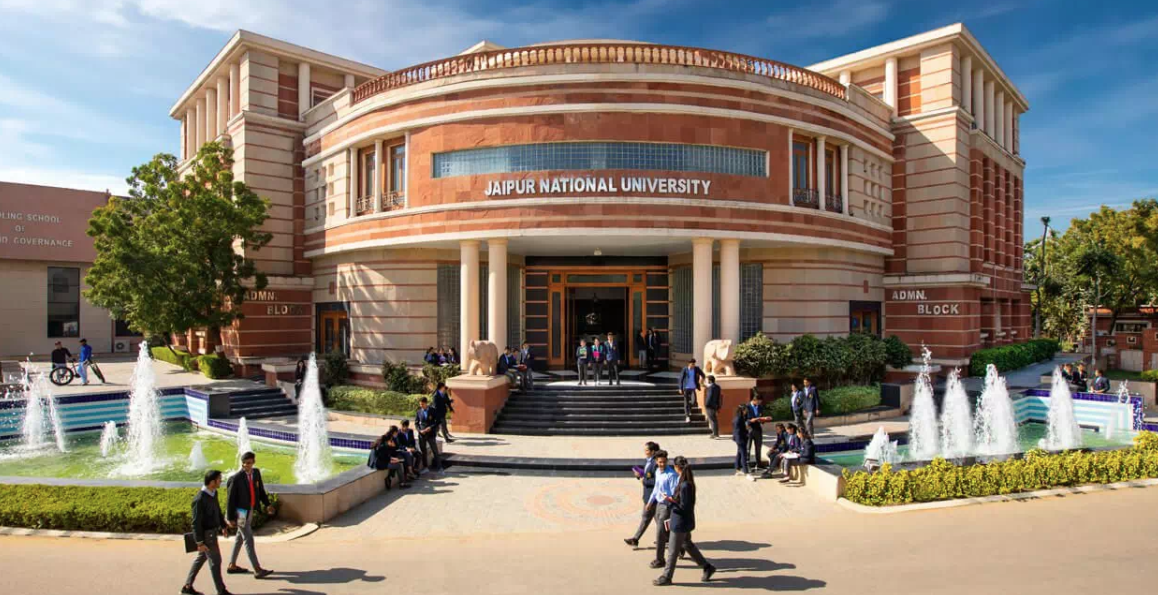
The education in the legal field is undergoing a phase that is leading to major changes. Earlier, the curriculum for this course was centred on textbooks and case law. The modern curriculum is a more technology-integrated and skill-based framework. The contemporary private law colleges are known for their dynamic learning environments and industry adaptability. This shift presents both an opportunity and a responsibility. Law graduates need to have an understanding of the real-world challenges and ways to deal with them. The future of legal education lies in how effectively these institutions prepare students.
Shifting Curriculum Priorities
The traditional boundaries of legal education are expanding. Modern law no longer deals solely with constitutional and civil issues. Graduates now have to deal with technology, business, the environment, and human rights. The private law colleges are redesigning their curricula to cater to this change. The courses offered here include subjects like cyber law, data privacy, intellectual property, corporate governance, and international trade law.
This multidisciplinary approach ensures that students gain an understanding of real-world applications while pursuing the doctrinal knowledge. The courses are increasingly being taught through the case study method. Educators use simulations to instill problem-based learning. This approach encourages the development of analytical interpretative skills in an individual that go beyond rote memorisation.
Skill-Based Learning over Theory
The modern lawyer’s role extends far beyond courtroom litigation. Today’s graduates are expected to be negotiators, mediators, policy advisors, and compliance professionals. The leading private law colleges in Jaipur are embedding skill development modules into every semester. Students are encouraged to participate in moot courts, mock trials, and legal aid clinics. This exposure helps them apply theoretical knowledge to different situations that one may come across in real life. The focus is shifting toward skills such as research drafting, negotiation, arbitration, and conflict resolution. These competencies are highly valued by employers. Additionally, communication and soft skill training have become a staple of the legal curriculum. This helps students develop clarity of thought, confidence, and professional ethics.
Technology-Driven Classrooms
The pandemic fast-tracked the digitisation of education systems at all levels. Legal education at a higher level was no exception. Today, we have AI-enabled legal databases, virtual moot courts, and blended learning models. These tools are becoming integral to legal pedagogy. Private law colleges are investing in smart classrooms, e-libraries, and digital case law archives. These facilities help students adapt to the transformation in legal education.
Students are learning to work efficiently in a world where technology and law overlap. The curriculum for law courses introduces students to tools like legal analytics platforms and document automation software. These advancements promote inclusivity. It gives students access to global knowledge resources regardless of their physical location.
Global and Interdisciplinary Exposure
The legal practice is slowly becoming more globalised. Private law colleges are recognising the need to prepare students for international and comparative legal frameworks. They have collaborations with universities abroad, international guest lectures, and student exchange programmes. They are helping learners understand different legal systems and international regulatory mechanisms.
There is also a growing emphasis on interdisciplinary learning. Many institutions are introducing integrated degrees. These degrees enable students to explore the connection between law with business, governance, and innovation.
Student Empowerment through Experiential Platforms
Holistic growth is becoming the hallmark of progressive legal education. The top law colleges are focusing on experiential platforms where students interact with real-world situations. This comprises legal aid cells, NGO collaborations, pro bono projects, and internships with judicial bodies and law firms. These opportunities expose students to real legal challenges and social responsibility.
Institutions are also strengthening mentorship and alumni networks. It allows students to interact with practicing lawyers, judges, and corporate counsels. Such exposure helps students establish a link between classroom learning and professional life. It fosters career readiness and personal growth.
Concluding Remarks
The future of legal education is beyond memorising laws. It is more about understanding the impact of the legal framework in a constantly changing world. Private law colleges in Jaipur are playing a vital role in nurturing this new generation of lawyers. They are focusing on training graduates to be technologically adept, globally aware, and socially responsible.
The legal industry continues to change with advancements in technology. We have new business models and increasing global interactions. It is imperative that law colleges move in step with these changes. The focus must remain on student-centric learning.
 Back
BackRecent Post
- How to Find the Best Universities in Uttar Pradesh?
- Why Digital Marketing Is One of the Most Future-Ready MBA Specializations
- How to build the best CAT preparation strategy
- The Role of Nurses in Societal Stratification: Medicine for Life
- BBA Full Form Explained: Is This The Right Degree For You?
- BCA Full Form, Subjects, and Career Pay
- The JEE Exam Has More To It Than Just Tough Questions
- Everything About NID, The National Institute Of Design
- My First Clinical Experience: Reflection on Mistakes, Learning & Developing Competence
- From Textbooks to Heartbeats: What Students Should Not Experience
Categories
Archives
Contact Form


Copyright © 2026 Jaipur National University. All Rights Reserved.
Website Design and Development by Sterco Digitex


Browse by School
- School of Engineering & Technology
- School of Business & Management
- School of Computer & Systems Sciences
- School of Education
- School of Languages, Literature and Society
- School of Life & Basic Sciences
- School of Pharmaceutical Sciences
- School of Media Studies
- School of Fashion Design
- Seedling School of Law and Governance
- Seedling School of Nursing
- Seedling School of Allied and Healthcare Sciences
- School of Agricultural Sciences
- School of Hotel Management & Catering Technology
- Jaipur National University Institute for Medical Sciences and Research Centre