
From Classroom to Lobby: Lessons of Emotional Intelligence for First Impressions

Introduction
In Hospitality Industry, first impressions are very decisive. Guests decide within seconds whether they feel welcomed or not - and it's not just about the regular memorized greetings. The real magic comes from something deeper: Emotional Intelligence (EI). From the moment a tired guest enters the hotel to the smile and eye contact at the reception, EI quietly influences whether the guest leaves happy or upset. Even though students learn theory and practical’s in college, working in a real hotel lobby needs something extra: the ability to understand others, manage your own emotions, and respond with care to create “Waao” impressions in the real world.
Emotional Intelligence in Hospitality
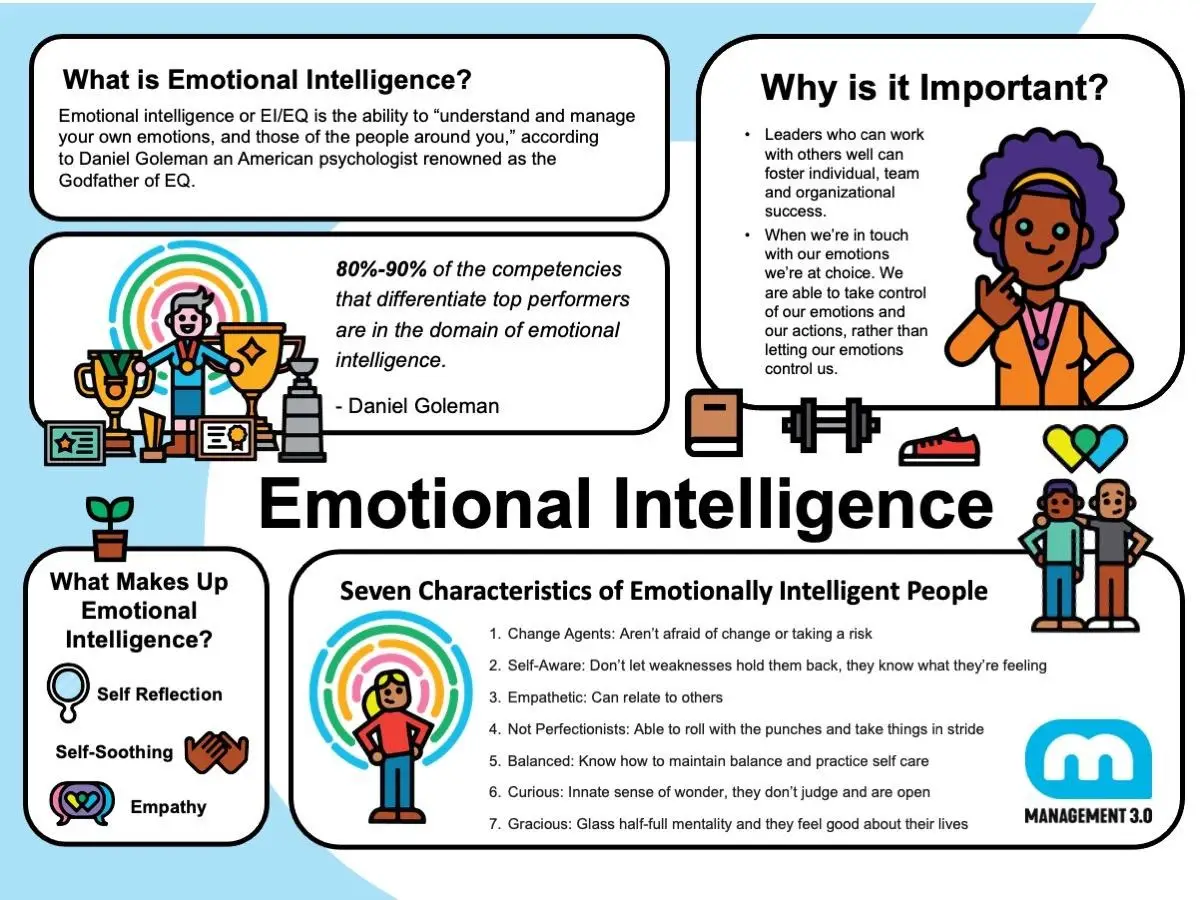
Father of EI, Daniel Goleman explains “Emotional Intelligence” and its five main parts:
- Self-awareness – knowing your own feelings
- Self-control – managing your emotions
- Motivation – staying positive and focused
- Empathy – understanding others' feelings
- Social skills – communicating well with people
In Hospitality, all these are practical tools having amplified usage. A staff member with strong EI can make guests feel truly cared for.
Example: A guest walks in after a long haul flight, tired and upset. A front desk staff with emotional intelligence can stay calm, notice the guest’s mood, and offer quick help - without showing their own stress. This can turn an unhappy guest into a loyal one!
Learning the Basics in the Classroom
Hotel management colleges today know that students need both technical and emotional skills. So they include sessions like:
- Role plays for handling guest complaints
- Workshops on body language and empathy
- Vestibule training of various sub departments
- Personality development classes
- Group discussions and expert sessions etc.
These help students to understand people better and not just follow rules. But remember, the classroom is a safe place - you can make mistakes and learn. The lobby, however, is real. Guests won’t wait or forgive easily. That’s where your emotional skills are truly tested.
The First Impression: Lobby Moments Matter
The Hotel lobby is not just an open beautiful looking room–Lobby is a place where guests build their first opinion about the hotel, its service levels and the people who work there. In the first 30 seconds, emotional intelligence helps you to:
- Stay mindful of “how you sound and look”
- Notice when a guest needs water without being asked
- Move from scripted greetings to real, friendly conversation
Every guest is different. Some like quick service, others want to talk. Some are quiet, some are demanding. A team member with EI knows how to read the guest and respond in a right way. This skill can’t be found in books - it comes from practice and understanding right from the classrooms.
Role of Guidance towards first step for building EI
Professors in classroom play a big role in building emotional intelligence by staying calm to problems and mentor them to grab the basics of EI. Good Managers at workplace Praises team members when they show kindness. When the leaders act with emotional intelligence, team members feel more confident and are inspired to treat guests the same way.
Students must apply emotional intelligence right from the initial days of college and excel further when they start their internship or first job. Here are some simple yet powerful tips:
- Keep an “Emotion” Pocket diary
After talking to fellow mates, seniors, Faculty members, Industry guests who come for Guest sessions or during competitions held in college, briefly note:- what went well, what didn’t, and specify the feeling, “how you felt”. This will help in becoming more aware of your emotions and improving every time. - Mirror and Match
Observe how a guest talks and behaves. Speak in a similar tone. e.g:- If a guest is calm and quiet, don’t speak loudly or too fast. Use every guest interaction as an opportunity to make the Guest feel special and valued. - Ask for Feedback
Feedback helps a person to improve. Speak to your trainers, seniors, or peers. Ask questions like: “Did I handle that guest well?” or “Was I welcoming at the desk?” - Take Short Breaks (If required)
If you feel tired or stressed, take a quick break. Breathe, relax, and reset your emotions before meeting the next guest. Staying calm helps you serve better.
Real-Life Success Stories
A luxury hotel in Mumbai trained their staff to look for “emotional checkpoints” - moments when guests need the most attention (like check-in, complaints, or checkout). Staff was taught to respond with care and personalize the service.
- Guest satisfaction rose by 22%
- Online reviews doubled
- Staff quit rates went down
A group of hotel management students, trained in emotional intelligence before their internships, got great feedback. One student even received a job offer early because she calmly handled an angry guest during a festival rush.
Challenges in Developing EI
Cultural differences, Work Stress and everyday changing Technology can reduce EI and weaken empathy. Solutions to overcome the challenges are more role plays, real-life practice, and Good managers who lead with empathy can help overcome these problems.
Take the First Step Today!
If you're a hospitality student or wish to join an exciting career in hospitality
- Start observing people’s emotions
- Practice responding kindly
- Keep a pocket diary of your daily experiences
- Use your internship to grow your emotional skills
If you’re already working: By building emotional intelligence, you’re not just becoming a better hotelier—you’re becoming someone a guest remembers for the right reasons.
Conclusion: A Smile Stays Forever
As you move from student life to your first job in hospitality, remember: Guests may forget their room number or Wi-Fi password, but they will always remember how you made them feel. Emotional intelligence creates real human connections, not just good service. It is the bridge between your classroom learning and lobby experience. The journey from classroom to lobby is not just professional - it’s emotional and meaningful.

Mr. Vikrant Nilkanth Meshram
Associate Professor - SHMCT, JNU Jaipur.
 Back
BackRecent Post
- How to Find the Best Universities in Uttar Pradesh?
- Why Digital Marketing Is One of the Most Future-Ready MBA Specializations
- How to build the best CAT preparation strategy
- The Role of Nurses in Societal Stratification: Medicine for Life
- BBA Full Form Explained: Is This The Right Degree For You?
- BCA Full Form, Subjects, and Career Pay
- The JEE Exam Has More To It Than Just Tough Questions
- Everything About NID, The National Institute Of Design
- My First Clinical Experience: Reflection on Mistakes, Learning & Developing Competence
- From Textbooks to Heartbeats: What Students Should Not Experience
Categories
Archives
Contact Form


Copyright © 2026 Jaipur National University. All Rights Reserved.
Website Design and Development by Sterco Digitex


Browse by School
- School of Engineering & Technology
- School of Business & Management
- School of Computer & Systems Sciences
- School of Education
- School of Languages, Literature and Society
- School of Life & Basic Sciences
- School of Pharmaceutical Sciences
- School of Media Studies
- School of Fashion Design
- Seedling School of Law and Governance
- Seedling School of Nursing
- Seedling School of Allied and Healthcare Sciences
- School of Agricultural Sciences
- School of Hotel Management & Catering Technology
- Jaipur National University Institute for Medical Sciences and Research Centre