
Contactless Hospitality: Behind the Scenes from the Lens of Data
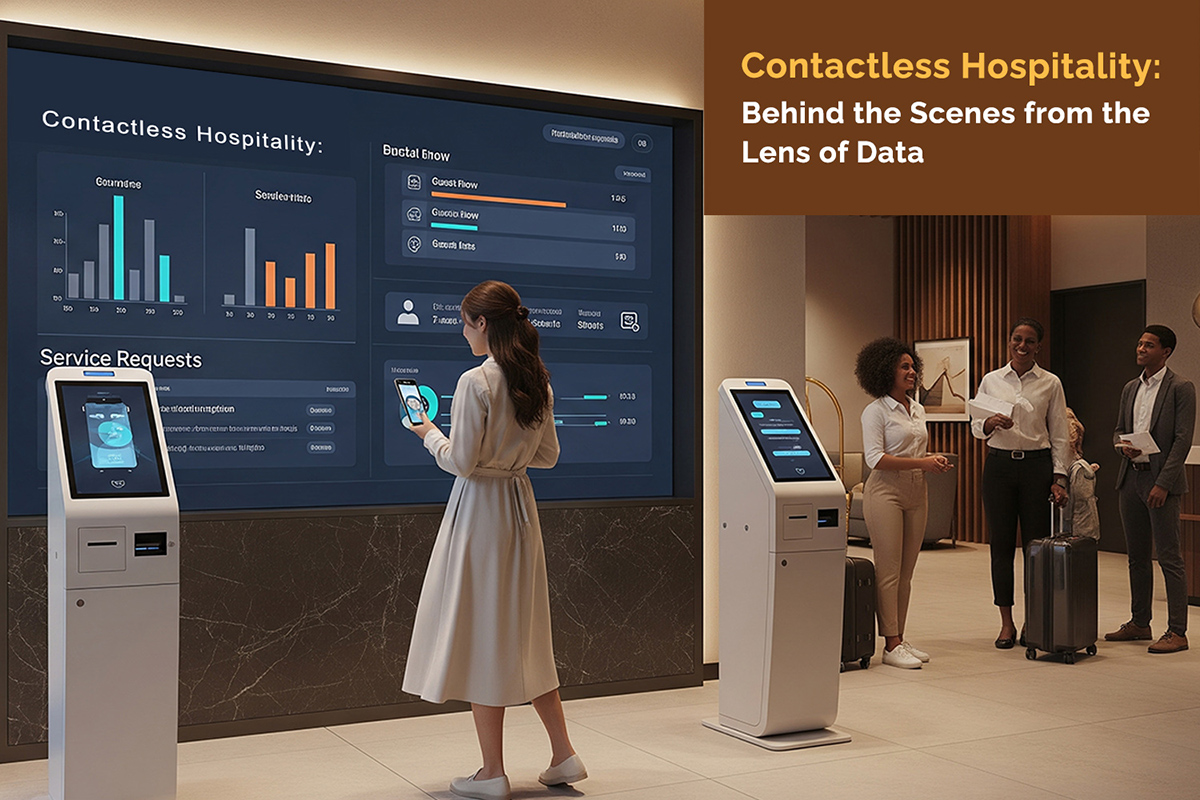
Digital innovations and health concerns have caused a rapid transformation in Hospitality. The rise of contactless hospitality is based on principles of convenience, security, and customization and has changed operational processes to revolutionize Guest experiences. However, beneath the sleek exterior of mobile room keys and digital check-ins, there is a sophisticated web of data-driven decisions, analytics and technological frameworks.
The Rise of Contactless Hospitality
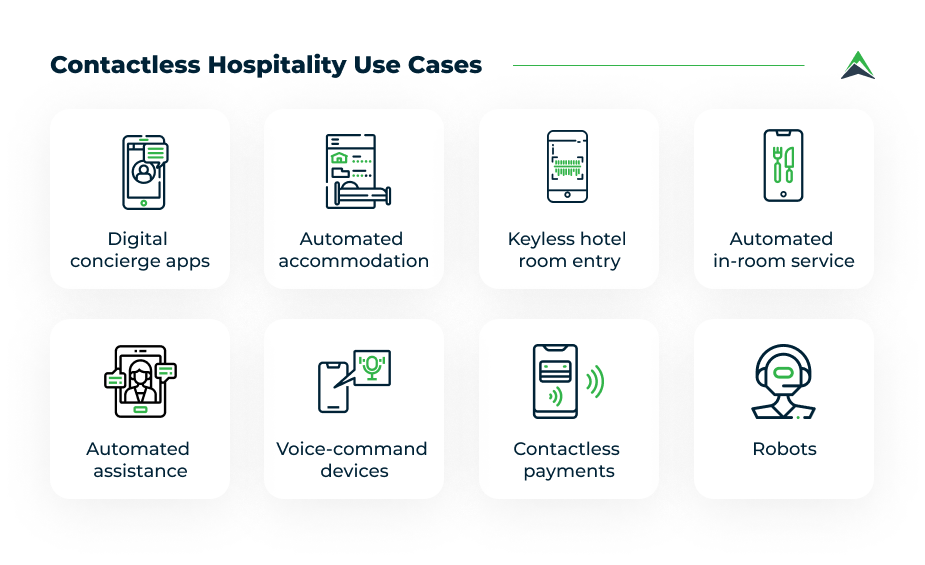
The COVID-19 epidemic accelerated the shift to contactless hospitality owing to the need of reducing physical touch and in order to maintain hygienic standards. Moreover, the advancement of AI technology, IoT devices and mobile applications laid the foundation for this shift sooner. Contactless Hospitality includes digital room keys, voice-activated services, contactless payments, mobile check-ins and check-outs, virtual concierge services etc. Contactless Hospitality relies heavily on data which is generated during Guest stay, right from the search for hotels online, making a reservation, check in using a mobile app, modifying their room choices with a voice assistant, and providing feedback after their visit via Social media platforms and surveys.
1. Mobile Applications: Information is gathered when guests use mobile applications to make reservations, search for services, or manage in-room amenities. Booking history, location data (e.g., GPS for tailored offers), user preferences (e.g., room type, view, amenities), and app usage patterns are among the information they gather.
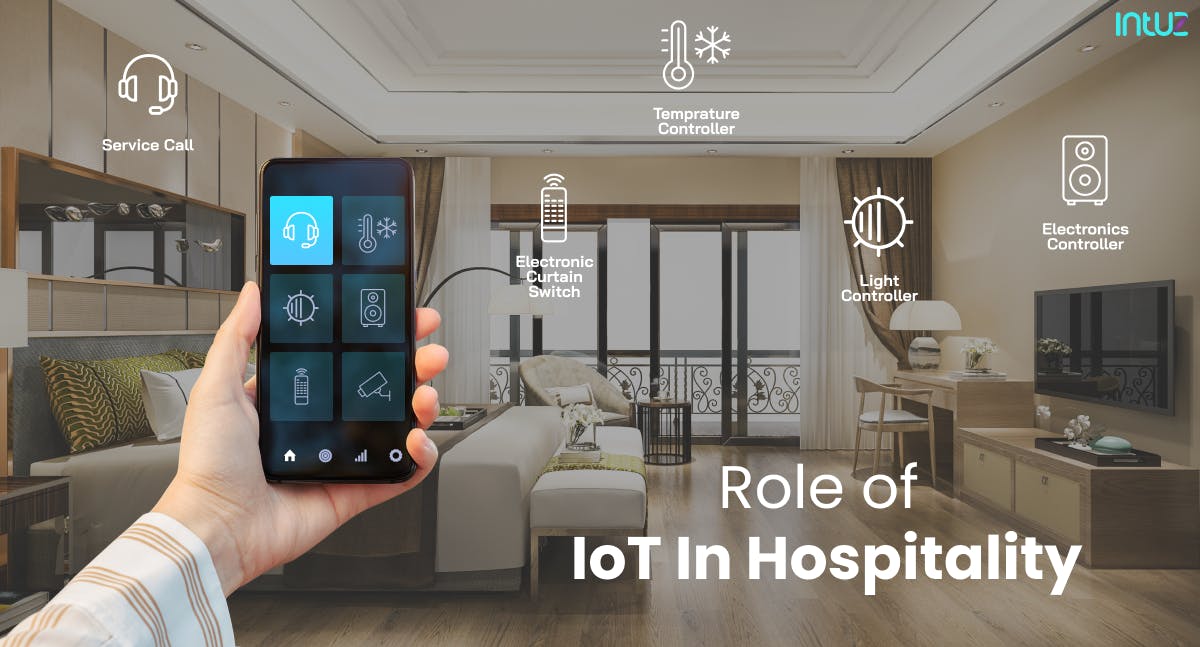
2. Internet of Things (IoT) Devices: These are intelligent in-room gadgets including thermostats, lights, and entertainment systems. They capture real-time data on visitor behavior, including when they switch off the lights, their preferred temperature, and how frequently they utilize the in-room entertainment system.
3. RFID-enabled wearables: Resorts and theme parks frequently use RFID chips built into badges or wristbands. These gadgets track visitors' activities around the site and help pinpoint preferences, including preferred dining establishments or rides.
4. Payment Gateways: By recording transaction information, these systems help the hotel learn about a visitor's spending patterns, preferred modes of payment, and service usage (e.g., room service versus on-site dining).
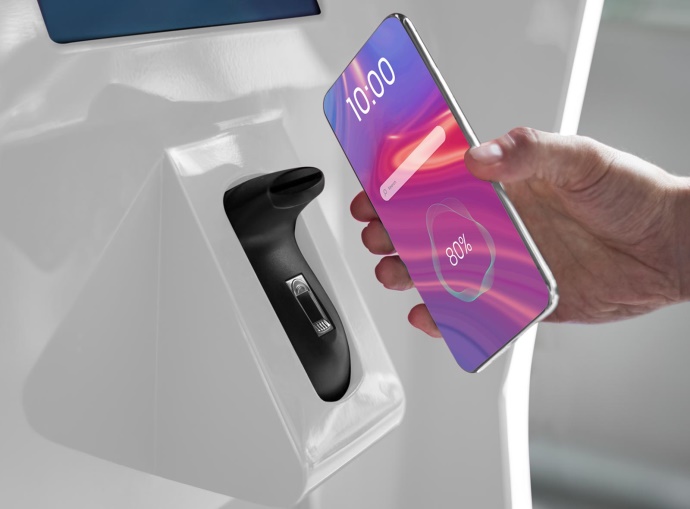
Data Processing and Analytics
Without being processed and analyzed, raw data is not very valuable. Advanced analytics and machine learning are crucial for turning unstructured data into insightful knowledge in the field of contactless hospitality.
Important data processing methods include:
- Predictive analytics: Estimating visitor requirements and behavior. e.g, forecasting when a guest might require room service based on past data.
- Prescriptive analytics is the process of suggesting the optimum course of action. e.g, recommending customized offers or instantly changing lodging rates.
- Instant Analytics: Real-time observation of guest interactions to enable prompt service adjustments.
- Descriptive analytics: analysing historical data to reveal visitor behaviour, such as services utilized, frequency of use, and sequence of use.
These insights help direct company plans like advertising campaigns, demand forecasting, and allocate resources to improve visitor experience;
With data, hotels are able to Personalize Offerings, Offer Smooth Service, Empower Self-service, Quicken check-in/check-out and payment Processes
According to a case study of Hilton's Digital Key service, using mobile keys considerably raised customer satisfaction ratings. In a similar vein, Marriott's chatbot service helps visitors around-the-clock in a variety of languages, relieving front desk employees of some of their workload and improving visitor convenience.
Efficiency in Operations and Cost Reduction
When it comes to operations, data-driven contactless systems enable:
• Labor Optimization: Using predictive data, staff scheduling can be more effectively done based on service utilization and guest flow.
• Inventory management: Waste and overstocking are decreased by continuously monitoring in-room supplies and housekeeping requirements.
• Energy Savings: By shutting down HVAC systems in vacant rooms, smart sensors and visitor preference data help maximize energy use.
• Maintenance Planning: IoT-generated data can alert users when equipment requires maintenance, averting expensive malfunctions.
These benefits not only enhance service delivery but also reduce costs and improve sustainability metrics.
Data Privacy and Ethical Considerations
Big data comes with big responsibilities. There are serious ethical and privacy concerns raised by the enormous volumes of guest data gathered in contactless hospitality. Observance of data privacy laws is crucial. Important moral behaviors consist of:
1. Transparency: Hotels must let visitors know what information is being gathered (such as location, preferences, and payment information) and how it will be put to use (such as to enhance operations or customize services). This promotes trust and guarantees adherence to privacy regulations.
2. Consent: Visitors ought to be able to choose whether or not to consent to data collecting. They can thus modify their choices and decide what personal information they wish to reveal, much like with cookie consent pop-ups on websites.
3. Data Minimization: Only pertinent information ought to be gathered. For instance, if a visitor merely makes a reservation, it is not necessary to inquire about their health or travel companions unless it is specifically relevant to the service.
4. Security: To prevent breaches, leaks, or unauthorized access to sensitive visitor data, robust cybersecurity measures (such as encryption and restricted access) must be in place.

Challenges in Implementing Contactless Systems
Despite the advantages, there are a number of obstacles to contactless hospitality adoption:
1. Integration Problems: New digital technologies may not be able to smoothly interact with legacy systems.
2. Cost of Technology: The initial outlay for cloud computing, mobile infrastructure, and IoT can be substantial.
3. Training and Adaptability: Employees must receive training in order to effectively handle and react to digital technology.
4. Internet Divide: Not all visitors, particularly those in older age groups, feel at ease utilizing internet services.
In order to serve all guest segments, hotels must adopt a balanced strategy that blends technology and the human touch.
Future Trends and Innovations
Even further advancements in contactless hospitality are anticipated in the future, including: • AI-Powered Personal Assistants: Chatbots that comprehend the context and feelings of visitors.
• Biometric authentication: For payments and access, fingerprints or facial recognition are used.
• Blockchain for Data Security: Guaranteeing open and impenetrable data administration.
• Voice Control Integration: For smooth control, more rooms have voice assistants installed.
The foundation of these advances will remain data, which will direct development and improve user experience.
Conclusion
With the use of data analytics and digital transformation, contactless hospitality signifies a dramatic change in how hotels engage with their visitors. Data is essential in the background for everything from optimizing processes to customizing experiences. Although privacy, integration, and inclusivity issues still exist, the advantages greatly exceed the drawbacks. Hospitality companies that successfully use data will be in a better position to satisfy customer expectations and prosper in a cutthroat industry as technology advances.
 Back
BackRecent Post
- How to Find the Best Universities in Uttar Pradesh?
- Why Digital Marketing Is One of the Most Future-Ready MBA Specializations
- How to build the best CAT preparation strategy
- The Role of Nurses in Societal Stratification: Medicine for Life
- BBA Full Form Explained: Is This The Right Degree For You?
- BCA Full Form, Subjects, and Career Pay
- The JEE Exam Has More To It Than Just Tough Questions
- Everything About NID, The National Institute Of Design
- My First Clinical Experience: Reflection on Mistakes, Learning & Developing Competence
- From Textbooks to Heartbeats: What Students Should Not Experience
Categories
Archives
Contact Form


Copyright © 2026 Jaipur National University. All Rights Reserved.
Website Design and Development by Sterco Digitex


Browse by School
- School of Engineering & Technology
- School of Business & Management
- School of Computer & Systems Sciences
- School of Education
- School of Languages, Literature and Society
- School of Life & Basic Sciences
- School of Pharmaceutical Sciences
- School of Media Studies
- School of Fashion Design
- Seedling School of Law and Governance
- Seedling School of Nursing
- Seedling School of Allied and Healthcare Sciences
- School of Agricultural Sciences
- School of Hotel Management & Catering Technology
- Jaipur National University Institute for Medical Sciences and Research Centre